ماشینهای سری TED
رقابت با تایمکس/سینکلر
کمودور ۶۴ از همان ابتدا یک موفقیت تجاری بود. اما جک ترامیل نگران ماشینهای ارزانتری بود که به تعداد زیاد در بازار دیده میشدند — عمدتاً ماشینهای سینکلر و تگزاس اینسترومنتز. فضای زیادی برای بهبود در کمودور ۶۴ وجود داشت، چون مفسر بیسیک داخلی آن فاقد بسیاری از دستورات مفید بود. علاوه بر این، طراحی پیچیده کمودور ۶۴ با تراشههای تخصصی متعدد، هزینههای تولید را بالا میبرد.
برای همین کمودور شروع به طراحی ماشین جدیدی کرد که حول یک تراشه سفارشی تازه به نام TED ساخته میشد. TED مخفف Text Editing Device است، اما با وجود نامش، نه فقط گرافیک بلکه صدا و ورودی/خروجی را هم مدیریت میکرد. این تراشه همان حداکثر وضوح کمودور ۶۴ یعنی ۳۲۰×۲۰۰ پیکسل را ارائه میکرد، اما پالت رنگی آن ۱۲۱ رنگ بود — ۱۵ رنگ با ۸ سایه به علاوه سیاه بدون سایه. این گستره در مقایسه با پالت ۱۶ رنگ کمودور ۶۴ بسیار وسیعتر بود. با این حال، یک مفهوم بسیار مهم در این ماشین گم شده بود: اسپرایت.
این موضوع، همراه با تواناییهای صوتی ضعیف — فقط دو کانال موج مربعی یا یک کانال موج مربعی به همراه یک کانال نویز سفید — نشان میداد که TED نمیتواند به عنوان بهروزرسانی VIC-II و SID در کمودور ۶۴ در نظر گرفته شود.
مفهوم اولیه سری ۲۶۴
ایده اولیه ماشینهای سری ۲۶۴ — که همه ماشینهای مبتنی بر TED به این نام خوانده میشدند — یک دستگاه کوچک با کلیدهای لاستیکی و جعبهای جمعوجور با طراحی زیبا بود. این دستگاهها قرار بود با قیمت بسیار پایین فقط ۴۹ دلار فروخته شوند.
با وجود ابعاد کوچک، این ماشین پورتهای زیادی داشت: دو پورت جویاستیک، یک پورت کارتریج، درگاه کاست، پورت سریال، کانکتورهای کامپوزیت و RF و حتی یک دکمه تنظیم مجدد. این ماشین همان چیزی است که بعدها به عنوان کمودور ۱۱۶ شناخته شد و در اروپا به عنوان نسخه ارزانقیمت کمودور ۱۶ فروخته میشد.
در واقع آغاز مفهوم TED همین بود: ماشینی ارزانقیمت که بهتر از ماشینهای Timex/Sinclair عمل کند. کمودور ۱۱۶ با اندازه کوچک و کلیدهای لاستیکی خود بسیار به مفهوم طراحی اسپکتروم سینکلر نزدیک بود — و این دقیقاً همان چیزی بود که جک ترامیل واقعاً میخواست.

نمونههای اولیه سری ۲۶۴، ماشینهای کمودور ۲۶۴ و کمودور ۲۳۲ بودند. همانطور که از نامشان پیدا بود، به ترتیب ۶۴ و ۳۲ کیلوبایت رم داشتند. این ماشینها برای استفاده تجاری در نظر گرفته شده بودند، بنابراین کلید اصلی این بود که نرمافزار اداری مورد نیاز به صورت رام در آیسیهای تعبیهشده روی مادربرد قرار گیرد.
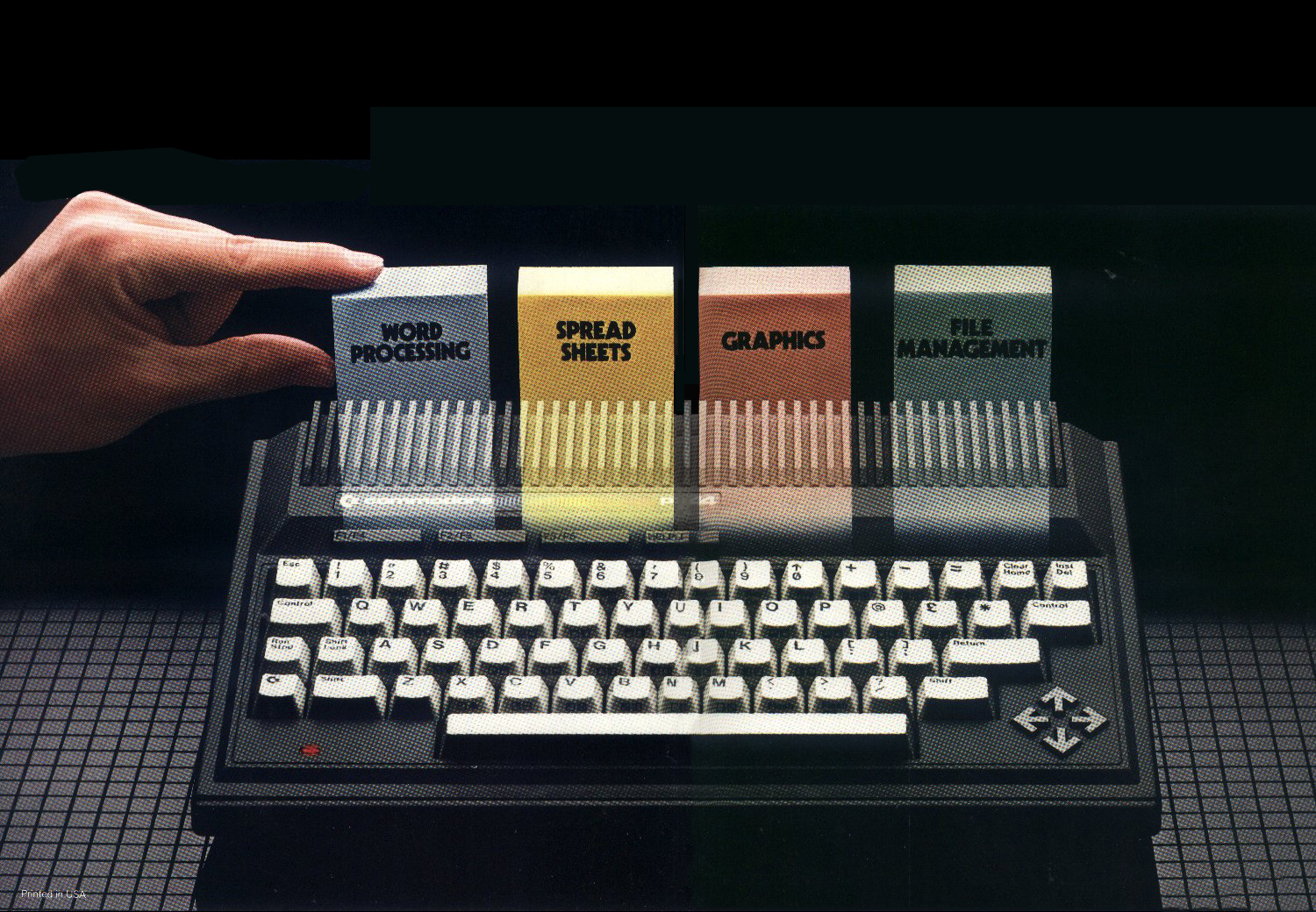
در ابتدا قرار بود مشتریان بتوانند عناوین نرمافزاری مورد نظر خود را انتخاب کنند. واژهپرداز و زبان برنامهنویسی لوگو در ابتدا برنامهریزی شده بود که در دسترس باشند، اما در نهایت مسیر تغییر کرد و کمودور ۲۶۴ با بستهای از ۴ برنامه داخلی عرضه شد: یک واژهپرداز، یک صفحه گسترده، یک پایگاه داده و یک برنامه نموداری. نام دستگاه به خاطر همین بسته نرمافزاری تغییر کرد و «کمودور پلاس ۴» متولد شد.
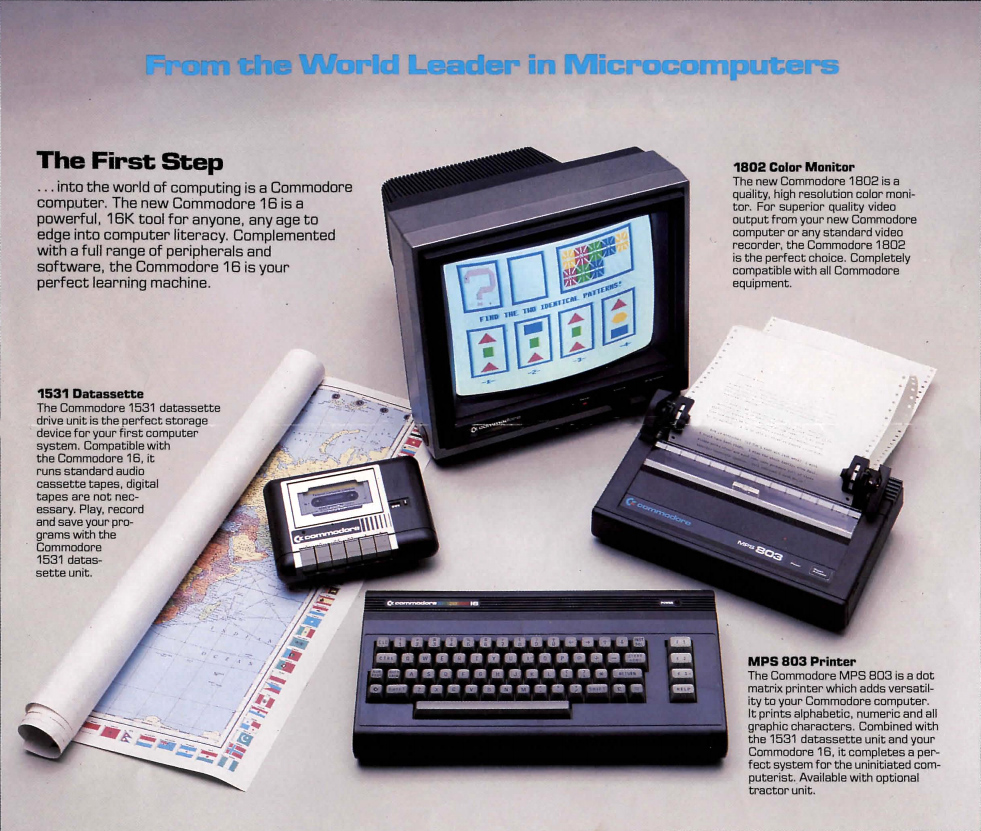
ماشین کمودور ۲۳۲ استقبال چندانی ندید. با این حال سرانجام دستگاهی با حافظه کمتر طراحی شد که کمودور ۱۶ نام گرفت — کامپیوتری با تنها ۱۶ کیلوبایت رم که به عنوان ارتقای کمودور ویک-۲۰ در نظر گرفته شده بود. فروش ویک-۲۰ در سال ۱۹۸۴ متوقف شده بود. کمودور ۱۶ در اصل همان پلاس ۴ بود، اما با ۱۶ کیلوبایت رم و بدون نرمافزارهای داخلی. این دستگاه از قاب خاکستری تیره با همان شکل کمودور ویک-۲۰ بهره میگرفت.
این ماشینها دارای یک مفسر بیسیک جدید بودند: بیسیک نسخه ۳/۵. برخلاف نامش، این نسخه بسیار پیشرفتهتر از بیسیک ۴ بود که در ماشینهای CBM یافت میشد. بیسیک ۳/۵ دستوراتی برای کنترل گرافیک و صدا ارائه میکرد، دستورات دیسک نیز در دسترس بود و یک مانیتور زبان ماشین هم به صورت داخلی گنجانده شده بود.
کمودور ۲۶۴ برای خردهفروشی ۷۹ دلار برنامهریزی شده بود، اما پیش از آن که ماشینهای سری TED به قفسه فروشگاهها برسند، جک ترامیل کمودور را ترک کرده بود. به همین دلیل، پروژه TED تغییر کرد و کمودور به این ماشینها به عنوان جانشینان واقعی کمودور ۶۴ نگاه کرد — نه یک خط جدید از ماشینهای ارزانقیمت.
طراحی و ظاهر
کمودور پلاس ۴، مانند کمودور ۲۶۴، قابی خاکستری تیره با اندازه کوچک و زیبا داشت و کلیدهای سفید آن فاقد صفحه اعداد بودند. ظاهری جذاب برای یک کامپیوتر خانگی — ولی شاید نه کاملاً مناسب برای یک ماشین اداری و تجاری.
نمونه اولیه دیگری نیز وجود داشت: کمودور V364. این دستگاه شبیه پلاس ۴ بود اما برای ارائه یک صفحه کلید عددی بزرگتر طراحی شده بود. یک تراشه سنتز صدای شخص ثالث داخلی داشت — به همین دلیل حرف V در نامش بود — و قرار بود نسخه بهبودیافته نرمافزار Magic Desk را ارائه دهد. این ماشین باید به عنوان دستگاه ردهبالای خط TED شناخته میشد، اما پروژه هرگز به تولید نرسید. تنها دو یا سه نمونه اولیه ساخته شد که البته بسیار کمیاب هستند.

پس در ابتدا خط TED قرار بود این ماشینها را ارائه دهد: یک دستگاه ارزانقیمت برای استفاده خانگی یعنی کمودور ۱۱۶ با قیمت ۴۹ دلار، ماشین بهتری با نرمافزار داخلی در رام یعنی کمودور ۲۶۴ با قیمت ۷۹ دلار که مشتریان میتوانستند نرمافزار داخلی را انتخاب کنند، و نهایتاً یک دستگاه پیشرفته با نرمافزار اتوماسیون اداری و یک ترکیبکننده گفتار یعنی V364. قیمت کم، بیسیک بهتر نسبت به کمودور ۶۴ و برنامههای داخلی، کلید موفقیت این ماشینها بود. اما متأسفانه اوضاع به گونهای دیگر رقم خورد.
چرا شکست خوردند؟
کمودور پلاس ۴ در سال ۱۹۸۳ و کمودور ۱۶ در سال ۱۹۸۴ عرضه شدند. بعدها در اروپا، کمودور ۱۱۶ به عنوان نسخه ارزانتر کمودور ۱۶ — عمدتاً در آلمان — فروخته شد. در ایالات متحده، این ماشینها یک شکست تجاری کامل بودند. قیمتها بسیار بالا بود: کمودور پلاس ۴ قیمتی بالاتر از کمودور ۶۴ داشت! این قیمت، دستگاه را به عنوان جانشین ارتقایافته کمودور ۶۴ معرفی میکرد. اما جانشین باید بهتر میبود. چگونه تراشه TED میتوانست با گرافیک و صدای پیشرفته کمودور ۶۴ رقابت کند؟ پالت زیباتر برای این کار کافی نبود.

در مورد نرمافزار داخلی، بسته ۳+۱ فاجعهبار بود. برنامهها واقعاً بد و کاملاً برای استفاده جدی اداری نامناسب بودند. ویرایشگر متن تنها ۹۹ خط متن ارائه میکرد. صفحه نمایش ۸۰ ستونی بود، اما چون پلاس ۴ مانند کمودور ۶۴ تنها ۴۰ کاراکتر در هر خط نشان میداد، دیدن آنچه واقعاً مینوشتید دشوار بود. پاسخ مکاننما نیز بسیار کند بود. صفحه گسترده کمی بهتر بود اما اندازهاش بسیار محدود بود. پایگاه داده ساده بود و نرمافزار نمودارسازی از گرافیک بیتمپ TED بهره نمیبرد — به سادگی از کاراکترهای متنی برای ترسیم نقاط استفاده میکرد.
در نتیجه، پلاس ۴ نرمافزار جالبی برای دفاتر اداری ارائه نمیداد. با این حال، این نرمافزار فقط از درایو دیسک برای ذخیرهسازی استفاده میکرد و کاربران خانگی با نوارخوان قادر به ذخیره کار خود نبودند. ایده برنامههای داخلی درست بود — در واقع پلاس ۴ اولین رایانهای بود که این ویژگی را داشت — اما با آن نرمافزارهای ضعیف، همه چیز به درستی پیش نرفت.
ناسازگاری و تجهیزات جانبی
ماشینهای TED با کمودور ۶۴ سازگار نبودند، بنابراین کاربران نمیتوانستند از کتابخانه بزرگ نرمافزار کمودور ۶۴ استفاده کنند. بدتر از آن، کانکتورهای جویاستیک غیر استاندارد بودند و از اتصال mini-DIN استفاده میکردند. یک کانکتور mini-DIN نیز برای نوارگردان در نظر گرفته شده بود. این بدان معنا بود که صاحبان دستگاههای کمودور یا آتاری مجبور بودند جویاستیک دیگری برای TED بخرند و صاحبان کمودور ۶۴ نمیتوانستند از نوارگردانهای قبلی خود استفاده کنند. آداپتورهای تبدیل بعداً اجازه اتصال جویاستیکهای استاندارد را دادند، اما در ابتدا در دسترس نبودند.
کمودور یک جویاستیک مخصوص این ماشینها به نام T1341 ساخت و یک کاستگردان جدید به نام ۱۵۳۱ که دقیقاً مشابه ۱۵۳۰ بود اما با کانکتور متفاوت. ماشینهای TED نباید با کمودور ۶۴ رقابت میکردند و به همین دلیل تجهیزات جانبی مخصوص خود را داشتند. ناسازگاری در ذهن طراحان مشکل به حساب نمیآمد — کانکتورهای غیر استاندارد بخشی از طراحی اصلی کمودور ۱۱۶ بودند و دلیل اصلی آن هم اندازه کوچک دستگاه بود. برای جا دادن همه پورتها انتخاب دیگری وجود نداشت. سپس به دلیل انتخاب تجاری، همین اتصالات روی ماشینهای دیگر هم استفاده شد. هرچند پلاس ۴ و ۱۶ میتوانستند بدون مشکل پورتهای جویاستیک استاندارد داشته باشند.

از آنجایی که پلاس ۴ قیمتی بالاتر از کمودور ۶۴ داشت، مردم از آن ناامید شدند. به دلیل نرمافزارهای داخلی ضعیف، نمایشگر ۴۰ ستونی و درایو دیسک کند ۱۵۴۱، برای استفاده اداری عالی نبود. و به عنوان یک کامپیوتر خانگی هم با آن قیمت، بهتر از کمودور ۶۴ نبود. کمودور ۶۴ یک ماشین بازی عالی بود و اگر میخواستید در بیسیک برنامهنویسی کنید، میتوانستید مفسر قدیمی را به راحتی با کارتریجهایی مثل سایمونز بیسیک گسترش دهید. بنابراین در پلاس ۴، بیسیک ۳/۵ کارآمد به تنهایی برای موفقیت دستگاه کافی به نظر نمیرسید.
این ماشین نسبت به کمودور ۶۴ بهبودهایی داشت: پردازنده سریعتر MOS 7501 با حداکثر سرعت 1.79 مگاهرتز، بیسیک بهتر، و مدیریت حافظه پیشرفتهای که ۶۰ کیلوبایت حافظه آزاد بیسیک را ممکن میکرد. کمودور ۶۴ فقط ۳۲ کیلوبایت حافظه بیسیک آزاد به اضافه ۴ کیلوبایت رم برای برنامههای زبان ماشین مجاز میدانست. اما ۶۰ کیلوبایت رم بیسیک در یک دستگاه ۶۴ کیلوبایتی واقعاً نمیتوانست آنقدر مهم باشد. با توجه به سرعت پایین پروتکل سریال ۱۵۴۱، یک برنامه بیسیک بزرگ نمیتوانست سریع بارگذاری شود.
در واقع، یک درایو جدید برای سری TED طراحی شده بود به نام ۱۵۵۱. این درایو کانکتور ویژهای داشت که به پورت کارتریج متصل میشد و انتقال موازی داده را ارائه میداد. اما این درایو اواخر دوران این کامپیوترها معرفی شد و با وجود آن که سه برابر سریعتر از ۱۵۴۱ عمل میکرد، هرگز منتشر نشد.

بازیها و محدودیتهای TED
اگر به بازیهای پلاس ۴ یا کمودور ۱۶ نگاه کنید، به خوبی همتایان کمودور ۶۴ نیستند. فقدان اسپرایتهای سختافزاری باعث شده برنامهنویسان مجبور به استفاده از کاراکترهای قابل برنامهریزی شوند. در نتیجه، این اسپرایتهای نرمافزاری معمولاً حرکت نرمی نداشتند و با پسزمینه — که آن هم از کاراکترهای قابل برنامهریزی ساخته شده بود — برخورد میکردند. پردازنده نمیتوانست هنگام انجام عملیات ورودی و خروجی با سرعت کامل عمل کند و همین باعث میشد سرعت واقعی تفاوت چندانی با کمودور ۶۴ نداشته باشد. بنابراین بازیها نمیتوانستند از سرعت بهتر پردازنده برای غلبه بر محدودیتهای TED استفاده کنند.
البته تکنیکهای برنامهنویسی بسیار خوب میتوانست بازیهای باکیفیتتری را ممکن کند، اما این کار مستلزم زمان کافی برای توسعه بازیهای بزرگ بود — فرصتی که متأسفانه برای این ماشینهای زیبا هرگز فراهم نشد.
تراشه صدا هم چنگی به دل نمیزد و در مقایسه با SID ناامیدکننده بود. موسیقی بازیها واقعاً ضعیف بود. هرچند میتوان با TED موسیقی خوب ساخت، اما تلاش زیادی میطلبد.
از آنجایی که پلاس ۴ و کمودور ۱۶ یک دستگاه بودند، توسعهدهندگان نرمافزار زحمت نوشتن بازی جداگانه برای هر دو را نداشتند و فقط بازیهای 16K برنامهریزی میکردند که روی هر دو اجرا شوند. البته این کار، حافظه بیشتر پلاس ۴ را قربانی میکرد که میتوانست بازیهای بهتری نسبت به کمودور ۱۶ ارائه دهد. عناوین Plus/4 که از حافظه کامل استفاده کنند، نادر هستند.

جمعبندی
کمودور پلاس ۴ قیمت بسیار بالایی داشت تا بتواند یک کامپیوتر خانگی جذاب باشد. مردم به خرید کمودور ۶۴ ادامه دادند چون میتوانست کارهای مشابه پلاس ۴ را انجام دهد، ۱۶ رنگ آن هنوز خوب به نظر میرسید، بیسیک کمودور ۶۴ قابل گسترش بود و یک ماشین بازی عالی با کتابخانه عظیم نرمافزاری محسوب میشد. و میتوانستید از جویاستیکهای استاندارد استفاده کنید. ماشینهای TED از آنجایی که برای استفاده اداری به اندازه کافی پیشرفته نبودند، برای تجارت نیز فروش خوبی نداشتند. در نتیجه، هیچ موفقیت تجاری در ایالات متحده کسب نکردند.
از قضا، زمانی که این ماشینها معرفی شدند، تگزاس اینسترومنتز قبلاً از بازار خارج شده بود و تایمکس/سینکلیر در ایالات متحده فروش خوبی نداشت. بنابراین کامپیوترهای سری TED حتی رقیبی برای رقابت با خود نمیدیدند. کمودور ۱۶ نیز همین سرنوشت را داشت. یک ماشین ۱۶ کیلوبایتی انتخاب عجیبی برای سال ۱۹۸۴ بود. در مقایسه با ویک-۲۰ بهروزرسانی خوبی به حساب میآمد، اما به دلیل ناسازگاری با نرمافزار ویک-۲۰ و اکثر تجهیزات جانبی — از جمله مودم ویک — به سختی یک ویک-۲۰ خوب بود. بنابراین در ایالات متحده فروش نرفت.
علیرغم این واقعیتها، این ماشینها طراحی هوشمندانهای داشتند. در مقایسه با ماشینهای قبلی کمودور کوچک بودند، تراشههای کمتری داشتند اما همچنان بسیاری از ویژگیها را با بهبودهایی حفظ کردند. TED واقعاً پیشرفته بود. اما مدیریت کمودور این ماشینها را راهی برای بهبود سوددهی میدید. آنها سعی کردند این ماشینها را با قیمتهای بالا بفروشند که با توجه به طراحی ارزانترشان در مقایسه با کمودور ۶۴ میتوانست درآمد زیادی داشته باشد. اما خریداران نمیتوانستند کمبودهای این ماشینها را وقتی قیمتها اعلام میشد فراموش کنند.
اگر این ماشینها قیمت مناسبتری داشتند، میتوانستند در ایالات متحده موفق باشند. در اروپا با قیمتهای مناسب فروخته میشدند و در کشورهای مختلف — ایتالیا، آلمان، انگلستان، فنلاند، سوئد — تا حدی موفقیت داشتند. البته فروش چندان زیادی نداشتند، اما به هر حال موفقیت نسبی کسب کردند.

این ماشینها عالی نبودند. تراشههای سفارشی TED، پردازنده و PLA واقعاً شکننده و مستعد خرابی بودند. این تراشهها تمایل به خوردگی دارند و احتمال آسیبدیدگی بالاست. طبق تجربه، رایجترین تراشهای که از کار میافتد پردازنده است. این پردازنده سفارشی است و نمیتوان آن را مستقیماً با ۶۵۰۲ یا ۶۵۱۰ جایگزین کرد. حالا میتوانید بفهمید تعمیر دستگاه TED چقدر دشوار است — ممکن است در عرض چند دقیقه مشکل را پیدا کنید، اما هیچ قطعه یدکی برای آن ندارید. نگهداری سخت افزار این ماشینها را در مقاله اختصاصی آمیگااستور بخوانید.
اما اشتباه نکنید — دستگاههای TED واقعاً خوب و پرقدرت هستند. این کامپیوترها میتوانند کارهای بزرگی انجام دهند. تصویر بالا یک کمودور ۱۱۶ توسعهیافته با ۶۴ کیلوبایت رم را نشان میدهد که یک نسخه نمایشی پیشرفته پلاس ۴ را اجرا میکند. بله، این توپ معروف آمیگا است که بسیار سریع حرکت میکند — حرکت و سرعتی که در کمودور ۶۴ به این سادگی به دست نمیآید.
#کمودور_پلاس۴ #کمودور۱۶ #کمودور۱۱۶ #سری_TED #تراشه_TED #جک_ترامیل #تایمکس #سینکلر #اسپکتروم #رتروکامپیوتر #نوستالژی #کامپیوترهای_شگفت_انگیز #تاریخ_فناوری #بیسیک #برنامه_نویسی #کمودور۶۴ #مقایسه #کلکسیونی #کمودور #MOS7501 #کامپیوتر_خانگی #دهه_هشتاد #سخت_افزار #تراشه_صدا #اسپرایت #کامپیوتر_تاریخ #رتروگیمینگ #T1341 #درایو_1551 #V364 #CommodorePlus4 #Commodore16 #Commodore116 #TEDSeries #TEDChip #JackTramiel #Timex #Sinclair #ZXSpectrum #RetroComputing #Nostalgia #AmazingComputers #TechHistory #BASIC #Programming #Commodore64 #Comparison #CollectorsItem #Commodore #MOS7501 #HomeComputer #1980s #Hardware #SoundChip #Sprite #ComputerHistory #RetroGaming #1551Drive
The TED Series
Racing Against Timex/Sinclair
The Commodore 64 was a commercial success from the very beginning. But Jack Tramiel was concerned about the cheaper machines appearing in large numbers in the market — mainly Sinclair and Texas Instruments machines. There was much room for improvement in the Commodore 64, as its built-in BASIC interpreter lacked many useful commands. Furthermore, the 64's complex design with many specialized chips drove up production costs.
So Commodore began designing a new machine built around a new custom chip called TED. TED stands for Text Editing Device, but despite its name, it handled not only graphics but also sound and I/O. The chip offered the same maximum resolution as the 64 — 320×200 pixels — but featured a palette of 121 colors (15 colors with 8 shades plus black without shade), far wider than the 64's 16-color palette. However, one very important concept was missing: sprites.
This, combined with genuinely weak sound capabilities — just two square-wave channels, or one square-wave plus one white noise channel — showed that TED could not be considered an upgrade to the VIC-II and SID.
The Original Concept of the 264 Series
The initial concept of the 264 series machines — as all TED-based machines were called — was a small machine with rubber keys and a compact, nicely designed case. These devices were meant to sell at a very low price of just $49.
Despite its dimensions, the machine had many ports: two joystick ports, a cartridge port, cassette port, serial port, composite and RF connectors, and even a reset button. This machine is what later became known as the Commodore 116, sold in Europe as a cheaper version of the Commodore 16.
The real beginning of the TED concept was this: an inexpensive machine that outperformed the Timex/Sinclair machines. The Commodore 116, with its small size and rubber keys, was very close to the Sinclair Spectrum design concept — and that was exactly what Jack Tramiel really wanted to achieve.
The prototypes of the 264 series were the Commodore 264 and Commodore 232 machines. As their names indicated, they had 64 and 32 kilobytes of RAM respectively. These machines were intended for business use, so the key was to embed the required office software as ROM in ICs on the motherboard.
Initially, the idea was to let customers choose which software titles they wanted. A word processor and the LOGO programming language were initially planned to be available, but eventually things changed and the Commodore 264 shipped with a bundle of 4 built-in programs: a word processor, a spreadsheet, a database, and a charting program. The machine was renamed because of this software bundle, and the "Commodore Plus/4" was born.
The Commodore 232 did not receive much interest. However, a machine with less memory was eventually designed and called the Commodore 16 — a computer with only 16 kilobytes of RAM intended as an upgrade to the VIC-20, which had been discontinued in 1984. Essentially, the Commodore 16 was the same as the Plus/4 but with only 16KB RAM and no built-in software. It used a dark gray case with the same shape as the VIC-20.
These machines featured a new BASIC interpreter: BASIC version 3.5. Despite its name, it was far more advanced than BASIC 4 found in CBM machines. BASIC 3.5 offered commands for graphics and sound control. Disk commands were also available. A machine language monitor was built in.
The Commodore 264 was planned for retail at $79, but before the TED machines reached store shelves, Jack Tramiel had left Commodore. Because of this, the TED project changed, and Commodore began thinking of these machines as true successors to the Commodore 64 — not a new line of low-cost machines.
Design and Appearance
The Commodore Plus/4, like the Commodore 264, had a dark gray case with a small and elegant size, white keys, and no numeric keypad. A beautiful look for a home computer — though perhaps not entirely suitable for an office and business machine.
Another prototype also existed: the Commodore V364. It was similar to the Plus/4 but designed with a larger numeric keypad. It had a built-in third-party speech synthesizer chip — hence the "V" in its name — and was meant to ship an improved version of the Magic Desk software. This machine was supposed to be the high-end device of the TED line. The project never saw the light of day. Only two or three prototypes were built, and they are of course extremely rare.
So initially, the TED line was meant to offer these machines: a cheap device for home use — the Commodore 116 at $49; a better machine with built-in software in ROM — the Commodore 264 at $79; and finally an advanced device with advanced office automation software and a speech synthesizer — the V364. Low price, better BASIC than the 64, and built-in software were the keys to success. But unfortunately, things turned out differently.
Why Did They Fail?
The Plus/4 was released in 1983 and the Commodore 16 in 1984. Later in Europe, the Commodore 116 was sold as a cheaper version of the 16 — mainly in Germany. In the United States, these machines were a complete commercial failure. Prices were far too high: the Plus/4 cost more than the Commodore 64! This positioned the machine as an upgraded successor. But a successor should be better. How could the TED chip compete with the advanced graphics and sound of the 64? A nicer palette was not enough.
The built-in software was disastrous. The programs were genuinely bad and completely unsuitable for serious office use. The word processor offered only 99 lines of text. It was an 80-column display, but since the Plus/4 displayed only 40 characters per line, it was difficult to see what you were actually writing. The cursor response was also very slow. The spreadsheet was slightly better but very limited. The database was simple, and the charting software did not use the TED bitmap graphics — it simply used text characters to draw points.
As a result, the Plus/4 did not offer interesting software for offices. Furthermore, the software only used the disk drive for saving data, and home users with tape drives could not save their work. The idea of built-in programs was right — the Plus/4 was actually the first computer to have this feature — but with those weak programs, nothing went well.
Incompatibility and Peripherals
The TED machines were not compatible with the Commodore 64, so users could not use the large 64 software library. Worse, the joystick connectors were non-standard and used mini-DIN connectors. A mini-DIN connector was also used for the tape drive. This meant people with Commodore or Atari devices had to buy another joystick for the TED. 64 owners could not use their tape drives. Adapters later allowed standard joysticks, but they were not available at first. Commodore built a joystick for the Plus/4, 16, and 116 called the T1341, and a new cassette drive called the 1531 — exactly like the 1530 but with a different connector.
The TED machines were not meant to compete with the 64, which is why they had their own peripherals. Incompatibility was not considered a problem by the designers. The non-standard connectors were part of the original 116 design, and the main reason was the machine's size — there was no other way to fit all the ports. Then, due to commercial choices, they were used on the other machines. However, the Plus/4 and 16 could have had standard joystick ports without any problem.
Since the Plus/4 was priced higher than the 64, people were disappointed. Due to weak built-in software, 40-column video, and the slow 1541 disk drive, it was not great for office use. And as a home computer at that price, it was no better than the 64. The 64 was a great gaming machine, and if you wanted to program in BASIC, you could easily extend the old interpreter with cartridges like Simon's BASIC. So the capable BASIC 3.5 in the Plus/4 did not seem crucial enough for success.
The machine did offer improvements over the 64: a faster CPU (MOS 7501, a 6502-based processor with a maximum speed of 1.79 MHz), better BASIC, and advanced memory management allowing 60KB of free BASIC memory. The 64 only allowed 32KB of free BASIC memory plus 4KB RAM for machine language programs. But 60KB of BASIC RAM in a 64KB machine could not really matter that much. With the slow serial protocol of the 1541, a large BASIC program could not load quickly.
Actually, a new drive was designed for the TED series called the 1551. It had a special connector that plugged into the cartridge port and provided parallel data transfer. But this drive was introduced late in these computers' life and, while three times faster than the old 1541, was never released.
Games and TED Limitations
If you look at games for the Plus/4 or Commodore 16, they are not as good as their 64 counterparts. The lack of hardware sprites forced programmers to use programmable characters. As a result, these software sprites usually did not move smoothly and collided with backgrounds also made of programmable characters. The processor could not run at full speed during I/O operations, meaning real-world speed was not much different from the 64. So games could not use the better CPU speed to overcome TED's limitations. Of course, excellent programming techniques could enable higher-quality games, but that required enough time for developing big games — an opportunity these beautiful machines never got.
The sound chip was also not very good and seemed disappointing compared to the excellent SID. Game music was really weak. Actually, you can make good music with TED, but it takes a lot of effort.
Since the Plus/4 and 16 were the same machine, developers did not bother writing separate games for each and only programmed 16K games that ran on both. This sacrificed the Plus/4's larger memory, which could have delivered better games than the 16. Plus/4 titles using its full memory are rare.
Summary
The Plus/4 was priced far too high to be an attractive home computer. People kept buying the Commodore 64 because it could do similar things, its 16 colors still looked good, its BASIC could be extended, and it was a great gaming machine with a huge existing software library. And you could use standard joysticks. The TED machines did not sell well for business either, as they were not advanced enough for office use. As a result, they had no commercial success in the United States.
Ironically, by the time these machines were introduced, Texas Instruments had already retired from the market, and Timex/Sinclair was not selling well in the US. So the TED computers did not even have competitors to race against. The Commodore 16 met the same fate. A 16KB machine was a strange choice for 1984. Compared to the VIC-20, it was a good upgrade, but due to incompatibility with VIC-20 software and most peripherals — including the VIC modem — it was hardly a good VIC-20. So it did not sell in the US either.
Despite these facts, these machines had intelligent designs. They were smaller than previous Commodore machines, had fewer chips, but still retained many features with some improvements. TED was truly advanced. But Commodore management saw these machines as a way to improve profitability. They tried to sell them at high prices, which could have generated significant revenue given their cheaper design compared to the 64. But buyers could not forget the machines' shortcomings when told the prices.
If these machines had been priced more appropriately, they could have succeeded in the United States. In Europe, they were sold at reasonable prices and found success in various countries: Italy, Germany, England, Finland, Sweden. They did not sell enormously, but they achieved some success.
These machines were not perfect. The custom TED, CPU, and PLA chips were truly fragile and prone to failure. These chips tend to corrode and have a high probability of damage. From experience, the most common chip to fail is the CPU. It is a custom processor and cannot be directly replaced with a 6502 or 6510. Now you can understand how difficult it is to repair a TED machine — you might find the problem in minutes, but you have no spare parts for it. Read about hardware maintenance for these machines in the exclusive AmigaStore article.
But make no mistake — TED machines are truly good and powerful. These computers can do great things. The image above shows an expanded Commodore 116 with 64KB RAM running an advanced Plus/4 demo. Yes, that is the famous Amiga ball moving very fast — movement and speed that the Commodore 64 cannot easily achieve.
▚ Sources and Related Links
#CommodorePlus4 #Commodore16 #Commodore116 #TEDSeries #TEDChip #JackTramiel #Timex #Sinclair #ZXSpectrum #RetroComputing #Nostalgia #AmazingComputers #TechHistory #BASIC #Programming #Commodore64 #Comparison #CollectorsItem #Commodore #MOS7501 #HomeComputer #1980s #Hardware #SoundChip #Sprite #ComputerHistory #RetroGaming #T1341 #1551Drive #V364 #VintageComputing