آمیگا در سال ۱۹۸۵ پا به عرصه گذاشت؛ دستگاهی که در نگاه اول فقط یک کامپیوتر دیگر به نظر میرسید، اما در باطن انقلابی تمامعیار در دل خود داشت. موتورولا ۶۸۰۰۰، همان پردازندهای که در مکینتاش و آتاری استی به کار رفته بود، در آمیگا تنها بخشی از ماجرا بود. آنچه آمیگا را از رقبا متمایز میکرد، سه تراشه سفارشی به نامهای پائولا، دنیس و اگنس بودند که در کنار یکدیگر، چنان قدرت گرافیکی و صوتی به این دستگاه بخشیدند که رقبا برای سالها نتوانستند به آن نزدیک شوند. این سه تراشه مانند یک ارکستر هماهنگ عمل میکردند؛ پائولا مسئول صدا، دنیس مدیریت گرافیک، و اگنس هماهنگی بین آنها را بر عهده داشت. نتیجه، تجربهای بود که تا پیش از آن در هیچ کامپیوتری دیده نشده بود و بسیاری را به این باور رساند که عصر جدیدی در محاسبات خانگی فرا رسیده است. اما همین برتری محسوس، دشمنان بسیاری را به میدان کشاند و جنگی نابرابر را رقم زد که سرنوشت آمیگا را برای همیشه تغییر داد؛ چرا که شرکتهای رقیب، به ویژه آنهایی که در بازار کامپیوترهای شخصی نفوذ داشتند، نمیتوانستند این فاصله فنی را تحمل کنند و تمام توان خود را برای مقابله با این تهدید جدید به کار گرفتند.
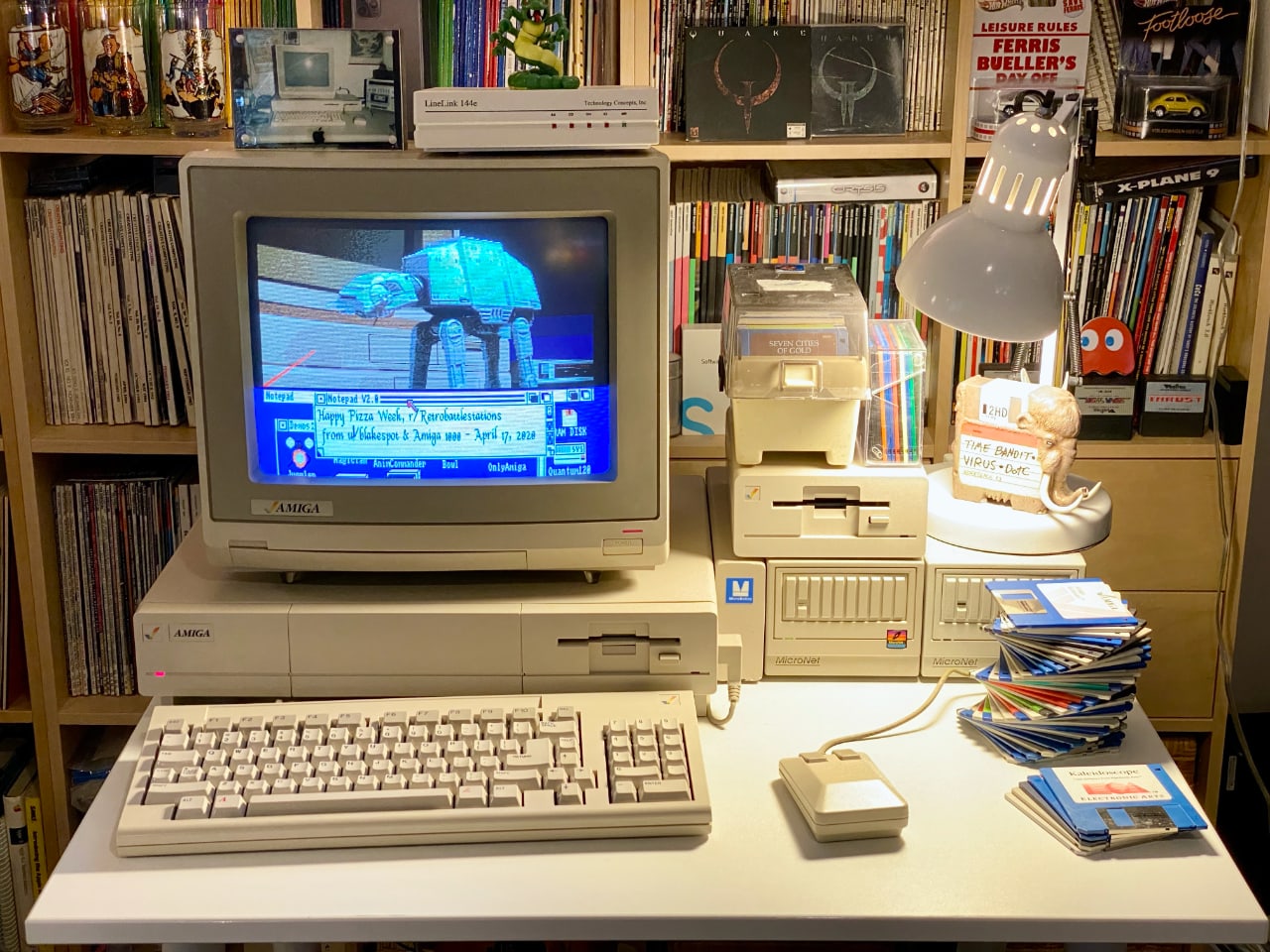
با وجود سختافزار قدرتمند، سیستمعامل آمیگا نقطهضعف بزرگ آن بود. باگهای مکرر، هنگهای ناگهانی، و صفحهای معروف به «خطای مدیتیشن گورو» که با اعدادی مرموز ناگهان بر صفحه ظاهر میشد و تمام زحمات کاربر را بینتیجه میگذاشت، تجربه کار با آمیگا را برای بسیاری به کابوسی تبدیل کرده بود. گویی خود گورو از اعماق دستگاه بیرون میآمد و با آرامشی شیطانی به کاربر میگفت که تلاشهایش بینتیجه بوده است. کاربران تازهکار که انتظار تجربهای آسان و روان مانند مکینتاش را داشتند، به سرعت ناامید میشدند و بسیاری از آنها پس از چند بار مواجهه با این خطاها، دستگاه را کنار میگذاشتند. حالت ویدیویی HAM که برای نمایش تصاویر با کیفیت بالا طراحی شده بود، در بسیاری از ترکیبهای رنگی سوسوی وحشتناکی ایجاد میکرد که پس از چند ساعت کار، چشمها را به شدت خسته میکرد و کاربران را با سردردی مداوم و احساس فشار در کره چشم مواجه میساخت. آنها انتظار داشتند شرکت سازنده توضیحی فنی برای این مشکل ارائه دهد و راهحلی برای کاهش این لرزش رنگها پیدا کند، اما هیچ پاسخی دریافت نمیکردند و ناچار بودند با همان وضعیت کنار بیایند. کار با آمیگا نیاز به دانش فنی داشت که بسیاری از کاربران عادی از آن بیبهره بودند. تفاوت بین «حافظه تراشه» و «حافظه سریع»، تنظیم دستی پشته برنامه، و مفاهیم پیچیده دیگر، آمیگا را به دستگاهی برای حرفهایها و علاقهمندان جدی تبدیل کرده بود و این مسئله، اگرچه برای برخی جذاب بود، اما بسیاری را از خرید آن منصرف کرد.

با این همه، آمیگا نخستین کامپیوتر شخصی چندرسانهای جهان به شمار میرفت و کاربران میتوانستند برای نخستین بار، تصاویر و صداهای دنیای واقعی را با یکدیگر تلفیق کنند، آنها را دستکاری کرده و با آنها تعامل داشته باشند. این ویژگی، سنگبنای بسیاری از فناوریهای بعدی شد؛ از وبجهانی گرفته تا گوشیهای هوشمند امروزی و پخشکنندههای موسیقی دیجیتال. چندوظیفهگی یا مولتیتسکینگ نیز یکی از دستاوردهای مهم آمیگا بود که به کاربران اجازه میداد چندین کار را همزمان انجام دهند؛ چیزی که امروز بدیهی به نظر میرسد اما در آن سالها انقلابی محسوب میشد و بعدها پژوهشهای روانشناختی نشان داد که همین قابلیت، طرز فکر و حتی ساختار مغز انسانها را تغییر داده است. آمیگا به کاربرانش امکان میداد همزمان به موسیقی گوش دهند، با دوستان خود گفتگو کنند و روی پروژههای مختلف کار کنند؛ تجربهای که امروز برای نسل جدید کاملاً عادی است، اما در دهه هشتاد میلادی، چنان پیشرو بود که بسیاری آن را باور نمیکردند. با این حال، معماری بسته و غیرقابل ارتقای آمیگا، راه را برای ادامه حیات آن سد کرد؛ تراشههای سفارشی به گونهای به یکدیگر و به پردازنده اصلی پیوند خورده بودند که هرگونه تغییر یا بهبود در یکی از آنها، مستلزم تغییر کل سیستم و شکستن سازگاری با نرمافزارهای موجود بود، در حالی که رقبایی مانند آیبیام با طراحی ماژولار و باز خود، مسیر تکامل را برای دیگران هموار کردند و به شرکتهای دیگر اجازه دادند با تولید کلونهای مشابه، به گسترش و بهبود این معماری کمک کنند.

اروپا بهویژه، آمیگا را با آغوش باز پذیرفت و صنعت بازی، یکی از مهمترین حوزههایی بود که آمیگا در آن درخشید. عناوین کلاسیکی که مرزهای بازیهای کامپیوتری را گسترش دادند و سالها ارزش خود را حفظ کردند، بر روی این پلتفرم خلق شدند. بسیاری از این بازیها تا پانزده سال پس از انتشار، همچنان طرفداران خود را داشتند و مفهوم بازی کامپیوتری را به سطحی جدید ارتقا دادند. مجلههای تخصصی آمیگا، تا سالها پس از ورشکستگی کمودور در سال ۱۹۹۴، همچنان منتشر میشدند و جامعه کاربران وفادار آن، این پلتفرم را زنده نگه داشتند. آخرین مجله براقی که به آمیگا اختصاص داشت، مجله بریتانیایی آمیگا اکتیو بود که تا نوامبر ۲۰۰۱، یعنی بیش از هفت سال پس از مرگ شرکت مادر، به انتشار خود ادامه داد. در حوزه تولید ویدیو نیز، توانایی منحصربهفرد آمیگا در ترکیب تصاویر دیجیتال با سیگنالهای آنالوگ، جایگاه ویژهای برای آن ایجاد کرد؛ جایگاهی که تا زمانی که پخش دیجیتال اچدی فراگیر نشد، پابرجا بود و آمیگاها همچنان در اتاقهای پشتی ایستگاههای کابلی کوچک و استودیوهای تولید ویدیو به کار گرفته میشدند.

آمیگا، در نهایت، نمونهای از تضادهای تاریخی است. از یک سو، نوآوریهای آن مسیر صنعت کامپیوتر را برای همیشه تغییر داد و از سوی دیگر، هرگز نتوانست به موفقیت تجاری پایدار دست یابد. اپل و مایکروسافت، بعدها بسیاری از ایدههای آمیگا را به کار گرفتند و به شکل گستردهای عمومی کردند، بهگونهای که امروزه اکثر کاربران کامپیوتر، هیچگاه نام آمیگا را نشنیدهاند، در حالی که هر روز از میراث آن بهره میبرند. در دنیای امروز، میلیاردها انسان در کشورهای توسعهیافته و در حال توسعه از فناوریهایی استفاده میکنند که ریشه در نوآوریهای آمیگا دارند، اما هرگز نام این دستگاه را نشنیدهاند و این یکی از تلخترین جنبههای این داستان است. با این حال، برای کسانی که در آن دوران حضور داشتند و با آمیگا زندگی کردند، این دستگاه چیزی بیش از یک ابزار بود؛ تجربهای ماندگار که در خاطراتشان حک شده و هرگز کهنه نمیشود. باید اعتراف کنم که آمیگا اولین عشق کامپیوتری من بود و از همان روزی که در سال ۱۳۷۳، ناگزیر از خرید اولین کامپیوتر مبتنی بر مایکروسافت شدم، همیشه این پرسش در ذهنم باقی ماند که چگونه طرفداران پرحرارت لینوکس، اپل و مایکروسافت میتوانستند با چنین شور و اشتیاقی از پلتفرمهایی دفاع کنند که نامشان آمیگا نبود. سالها بعد، حتی در پیشرفتهترین کامپیوترهای مایکروسافتی نیز نتوانستم لذتی برابر با آنچه آمیگا به من هدیه کرده بود، بیابم. البته همه ما به اندازه کافی خردمند هستیم که بدانیم این دستگاهها در نهایت، صرفاً ابزارهایی بیش نیستند و اگر آمیگا نبود، قطعاً چیز دیگری جای آن را پر میکرد و مسیر تاریخ به همان سمت حرکت میکرد. اما با این حال، برای ما که آن روزها را تجربه کردیم، آمیگا چیزی فراتر از یک ماشین محاسباتی بود؛ چیزی شبیه به یک همراه، یک همسفر، و شاید بتوان گفت، بخشی از هویت دیجیتال ما که هیچگاه رنگ کهنگی به خود نمیگیرد. تاریخچه آمیگا ۱۲۰۰ را در مقاله اختصاصی آمیگااستور بخوانید.
«آمیگا آینده را پیشبینی میکرد و آغاز یک دوره جدید بود.»
#آمیگا #Amiga #کمودور #Commodore #موتورولا۶۸۰۰۰ #Motorola68000 #پائولا #Paula #دنیس #Denise #اگنس #Agnus #مولتی_تسکینگ #Multitasking #چندرسانه_ای #Multimedia #رتروفیوچریسم #RetroFuturism #سایبرپانک #Cyberpunk #رتروکامپیوتر #RetroComputing #نوستالژی #Nostalgia #کامپیوترهای_شگفت_انگیز #AmazingComputers #تاریخ_فناوری #TechHistory #گرافیک_پیشرفته #AdvancedGraphics #انقلاب_دیجیتال #DigitalRevolution #مکینتاش #Macintosh #آتاری #Atari #آی_بی_ام #IBM #مایکروسافت #Microsoft #اپل #Apple #یوتیوب #YouTube #آیفون #iPhone #کامپیوتر_تاریخ #ComputerHistory #جهش_نسلی #GenerationalLeap #پیشگام #Pioneer #افسانه #Legend #آمیگا۱۲۰۰ #Amiga1200 #رتروگیمینگ #RetroGaming
The Amiga arrived in 1985; a machine that at first glance seemed like just another computer, but deep inside carried a full-blown revolution. The Motorola 68000, the same processor used in the Macintosh and Atari ST, was only part of the story. What set the Amiga apart were three custom chips named Paula, Denise, and Agnus that together gave this machine such graphics and audio power that rivals couldn't come close for years. These three chips worked like a coordinated orchestra; Paula was responsible for sound, Denise managed graphics, and Agnus coordinated between them. The result was an experience never seen on any computer before, leading many to believe that a new era in home computing had arrived. But this visible superiority drew many enemies into the arena and created an unequal war that changed the Amiga's fate forever; rival companies, especially those with influence in the personal computer market, could not tolerate this technical gap and threw all their power into confronting this new threat.
Despite powerful hardware, the Amiga's operating system was its great weakness. Frequent bugs, sudden freezes, and the famous "Guru Meditation Error" — which appeared suddenly on screen with mysterious numbers and wiped out all the user's work — turned the Amiga experience into a nightmare for many. It was as if the Guru himself emerged from the depths of the machine and told the user with demonic calm that their efforts had been in vain. Novice users expecting an easy, smooth experience like the Macintosh quickly became disappointed, and many gave up on the machine after encountering these errors a few times. The HAM video mode, designed for displaying high-quality images, created terrible flickering in many color combinations that after a few hours of work severely tired the eyes and left users with constant headaches and pressure in their eyeballs. They expected the manufacturer to provide a technical explanation for this problem and find a solution to reduce the color shimmer, but they received no answer and were forced to live with the situation. Working with the Amiga required technical knowledge that many ordinary users lacked. The difference between "chip memory" and "fast memory," manual configuration of a program's stack, and other complex concepts made the Amiga a machine for professionals and serious enthusiasts — and this, while appealing to some, discouraged many from buying it.
Nevertheless, the Amiga was the world's first multimedia personal computer, and users could for the first time combine real-world images and sounds, manipulate them, and interact with them. This feature became the foundation of many later technologies; from the World Wide Web to today's smartphones and digital music players. Multitasking was also one of the Amiga's important achievements, allowing users to do several things simultaneously; something that seems obvious today but was revolutionary in those years, and later psychological research showed that this very capability has changed the way people think and even the structure of the human brain. The Amiga allowed its users to listen to music, chat with friends, and work on various projects at the same time; an experience that is completely normal for the new generation today, but in the 1980s, it was so advanced that many couldn't believe it. However, the Amiga's closed, non-upgradeable architecture blocked its path to continued life; the custom chips were so tightly bonded to each other and to the main processor that any change or improvement in one required changing the entire system and breaking compatibility with existing software, while competitors like IBM with their modular, open design paved the path of evolution for others and allowed other companies to help expand and improve this architecture by producing similar clones.
Europe especially embraced the Amiga with open arms, and the gaming industry was one of the most important fields where the Amiga shone. Classic titles that expanded the boundaries of computer games and retained their value for years were created on this platform. Many of these games still had their fans up to fifteen years after release and elevated the concept of computer gaming to a new level. Specialized Amiga magazines continued to be published for years after Commodore's bankruptcy in 1994, and its loyal user community kept this platform alive. The last glossy magazine dedicated to the Amiga was the British Amiga Active, which continued publishing until November 2001 — more than seven years after the death of the parent company. In video production, the Amiga's unique ability to combine digital images with analog signals created a special place for it; a place that remained until HD digital broadcasting became widespread, and Amigas were still used in the back rooms of small cable stations and video production studios.
The Amiga, ultimately, is an example of historical contradictions. On one hand, its innovations changed the path of the computer industry forever, and on the other, it never achieved lasting commercial success. Apple and Microsoft later adopted many of the Amiga's ideas and made them widely available, so much so that today most computer users have never heard the name Amiga, even though they benefit from its legacy every day. In today's world, billions of people in developed and developing countries use technologies rooted in Amiga's innovations, yet have never heard the name of this machine — and this is one of the bitterest aspects of this story. However, for those who were there and lived with the Amiga, this machine was more than a tool; a lasting experience engraved in their memories that never ages. I must confess that the Amiga was my first computer love, and from the day in 1994 when I was forced to buy my first Microsoft-based computer, the question always remained in my mind: how could passionate Linux, Apple, and Microsoft fans defend platforms not called Amiga with such enthusiasm? Years later, even in the most advanced Microsoft computers, I could not find pleasure equal to what the Amiga had given me. Of course, we are all wise enough to know that these machines are ultimately just tools, and if the Amiga hadn't existed, something else would certainly have taken its place and history would have moved in the same direction. But still, for those of us who experienced those days, the Amiga was something beyond a computing machine; something like a companion, a fellow traveler, and perhaps part of our digital identity that never fades. Read about the Amiga 1200 history in the exclusive AmigaStore article.
"The Amiga predicted the future and marked the beginning of a new era."
▚ Sources and Related Links
#Amiga #Commodore #Motorola68000 #Paula #Denise #Agnus #Multitasking #Multimedia #RetroFuturism #Cyberpunk #RetroComputing #Nostalgia #AmazingComputers #TechHistory #AdvancedGraphics #DigitalRevolution #Macintosh #Atari #IBM #Microsoft #Apple #YouTube #iPhone #ComputerHistory #GenerationalLeap #Pioneer #Legend #Amiga1200 #RetroGaming #VintageComputing