دهه ۱۹۷۰؛ سالهای طلایی
از غولهای آهنی تا کامپیوترهای شخصی
ماشینهایی که در صفحات قبل به آنها اشاره شد، شاید بیش از اندازه بزرگ بودند، از سرعت و حافظه کمی برخوردار بوده و در دسترس بودن آنها برای عموم جامعه، رویایی دور به نظر میرسید. اما با صرف زمان بیشتر و بررسی عمیقتری در گذشته و تاریخ شکلگیری کامپیوترهای شخصی، هنگامی که به دهه ۱۹۷۰ میرسیم، گویی این سالهای خاص و ویژه، نقشی بیبدیل و ماندگار در شکلگیری این صنعت مهارنشدنی داشته است.
دهه ۱۹۷۰ آنقدر پیشرفت گستردهای در ساخت کامپیوتر و ابزارهای جانبی داشت که برای گشتوگذاری هرچند کوتاه، نیاز به نگاشتن کتابی جداگانه است. اما در ادامه این فصل، نگاهی گذرا خواهیم داشت به چند سرفصل مهم و تأثیرگذار که در پیشرفت صنعت کامپیوترهای شخصی و خانگی نقشی اساسی داشتهاند.
گوردون مور، یکی از بنیانگذاران اینتل، پیشنهاد کرد که پیچیدگی کامپیوترها هر دو سال یکبار دو برابر میشود. اگر در دهه ۱۹۵۰ کامپیوترها وارد نیروی کار شدند و در دهه ۱۹۶۰ کوچکتر، در دسترستر و توانمندتر شدند، احتمالاً میتوانید نوع پیشرفتهایی را که در طول دهه ۱۹۷۰ رخ داد تصور کنید. در حقیقت، طبق فرضیه مور، کامپیوترها در آغاز دهه ۱۹۷۰ ده برابر پیچیدهتر از ابتدای دهه ۱۹۶۰ بودند.
سال ۱۹۷۰ — رم دینامیک اینتل
اینتل که در سال ۱۹۶۸ تأسیس شده بود، به سرعت به یک نیروی جهانی در صنعت کامپیوتر تبدیل شد. اینتل این ادعا را در سال ۱۹۷۰ با عرضه 1103، اولین تراشه رم دینامیک در جهان، ثابت کرد. این تراشه با ظرفیت ۱۰۲۴ بیت (یک کیلوبیت) توانست اینتل را به طور مؤثری در صدر شرکتهای مطرح کامپیوتری قرار دهد و شرکتهایی مانند IBM را برای رقابت به چالش بکشد. این اختراع پایهای بود برای تمام حافظههای مدرنی که امروزه در هر دستگاهی پیدا میکنید.
📖 منبع: ویکیپدیا
سال ۱۹۷۱ — تولد ریزپردازنده
تنها یک سال پس از ورود به صحنه با اولین رم دینامیک، اینتل با انتشار اولین ریزپردازنده تجاری، مجدداً خود را بر سر زبانها انداخت. یک پردازنده ۴ بیتی مجهز به ۲۳۰۰ ترانزیستور. این ریزپردازنده که با نام Intel 4004 مطرح شد، میتوانست نزدیک به ۶۰ هزار دستورالعمل را در ثانیه پردازش کند و حداکثر سرعت ۷۴۰ کیلوهرتز را داشت. این تراشه کوچک، دنیای کامپیوتر را برای همیشه تغییر داد.

و اما پردازندهها؛ داستانی که با Intel 4004 شروع شد. برای آشنایی کامل با دنیای پردازندهها — از همین نخستین ریزپردازندهها تا پردازنده افسانهای Z80 — کتاب «Z80 Story» را به صورت آنلاین منتشر کردهام. این کتاب مرجع جامعی است برای هر کسی که میخواهد عمیقتر وارد دنیای معماری پردازندهها شود. بعدها همین پردازندهها قلب تپنده کامپیوترهایی مثل اسپکتروم ۴۸ و کمودور ۶۴ شدند.
📖 منبع: ویکیپدیا
ایمیل؛ ایدهای که ماندگار شد
گاهی یک ایده خیلی جلوتر از زمان خود است، اما در مورد ایمیل عکس این اتفاق افتاد. ری تاملینسون با استفاده از ARPANET توانست پیامهایی را بین دو کامپیوتر مختلف رد و بدل کند — چیزی که قبلاً خارج از حیطه کاری یک کامپیوتر دیده نشده بود. تا پیش از آن، دو کاربر میتوانستند در یک سیستم واحد از راه دور وارد شده و ارتباط برقرار کنند، اما ارتباط دو کامپیوتر دور از هم، ایدهای تازه بود. ایده ایمیل فوراً مورد توجه قرار گرفت و از آن زمان دیگر از بین نرفته است.
📖 منبع: ویکیپدیا
دهه تغییرات در چاپ
در حالی که دستگاه کپی شرکت زیراکس تنها چند سال قبل ساخته شده بود، محققان این شرکت در سال ۱۹۷۲ روش کاملاً جدیدی برای ایجاد تصویر شناسایی کردند: استفاده از لیزر. برخلاف روشی که با ایده ایمیل تاملینسون برخورد شد، مدیران زیراکس PARC زمانی که دستگاه کپی آنقدر خوب کار میکرد، علاقهای نداشتند تغییرات خاصی در دستگاههای خود ایجاد نمایند. فیزیکدان گری استارکودر و همکارانش با درک پتانسیل ایده خود، تصمیم گرفتند چاپگر لیزری خود را به تنهایی بسازند — دور از افرادی که به آنها «نه» گفته بودند. نهایتاً اختراع آنها به سرعت موفقیتآمیز شد و زیراکس یک عذرخواهی بزرگ به آنها مدیون بود.
📖 منبع: ویکیپدیا
سال ۱۹۷۲ — اجازه دهید بازی شروع شود
در فصل اول اشاره کردم که سال ۱۹۷۲ شاهد تأسیس آتاری و انتشار Pong بود — دو گام بزرگ به سوی موفقیت عظیم بازیهای ویدیویی که تنها چند سال پس از این نقطه عطف در تاریخ، در انتظار جهان بود. آتاری ۲۶۰۰ با Pong نشان داد که بازیهای ویدیویی فقط یک سرگرمی گذرا نیستند؛ آنها یک صنعت واقعی هستند.
📖 منبع: ویکیپدیا
نسل چهارم کامپیوترها
در حالی که نقطه شروع دقیق نسل چهارم تاریخ کامپیوتر مشخص نشده است، بسیاری از کارشناسان سال ۱۹۷۲ را معیار رسمی در نظر میگیرند. اما ردهبندی این نسل، کمتر به زمان و بیشتر به فناوری مربوط میشود. هر چیزی که از یکپارچهسازی مقیاس بزرگ (LSI) یا ریزپردازندهها استفاده میکند، یک کامپیوتر نسل چهارم محسوب میشود. به طور معمول، فناوری نسل چهارم بین ۵۰۰ تا ۱۰۰۰۰ جزء روی یک تراشه دارد.
📖 منبع: ویکیپدیا
سال ۱۹۷۳ — کامپیوتر را کوچک کردیم
با وجود اینکه ابرکامپیوترها هنوز یک فناوری مورد توجه بودند، در اوایل دهه ۱۹۷۰ علاقه فزایندهای به میکروکامپیوترها مشاهده شد. در سال ۱۹۷۳، Micral N ظهور کرد. این اختراع توسط شرکت فرانسوی R2E توسعه یافت و رسماً به عنوان اولین میکروکامپیوتر جهان به بازار معرفی شد. Micral N نشان داد که کامپیوترها میتوانند از اتاقهای بزرگ به میزهای کار منتقل شوند.
📖 منبع: ویکیپدیا
ورود به سیستم
از توسعه مجموعه پروتکل TCP/IP تا اختراع اترنت، سال ۱۹۷۳ مهمترین سال برای آینده اینترنت تاکنون بوده است. خواه CYCLADES فرانسه، EIN اروپا، NPL بریتانیا، یا ARPANET، TCP/IP و اترنت از قبل موجود، به این شبکهها اجازه میداد تا با شبکههای دیگر پیوند بخورند و یک شبکه اینترنتی ایجاد کنند — معروف به اینترنت.
📖 منبع: ویکیپدیا
سال ۱۹۷۴ — ورود آلتو
شاید نام زیراکس را بسیاری فقط به عنوان سازنده پرینتر و اسکنر بدانند، اما جالب است بدانید شرکت زیراکس نقش بزرگی در پیدایش کامپیوتری که امروزه میشناسیم بر عهده دارد. کامپیوتر زیراکس آلتو که در سال ۱۹۷۴ برای عموم عرضه شد، مجهز به ماوس، شبکه محلی سایر آلتوها، رابط گرافیکی مبتنی بر ویندوز و توانایی اشتراکگذاری و چاپ فایلها بود. بسیاری از مفاهیمی که امروز در کامپیوترها بدیهی میدانیم — از پنجرهها تا ماوس — اولین بار روی آلتو دیده شدند.
📖 منبع: ویکیپدیا
سال ۱۹۷۵ — Altair 8800
برای کسانی که علاقهمند به یادگیری نحوه کار کامپیوترها بودند، MITS Altair 8800 به علاقهمندان اجازه داد تا یک کیت کامپیوتری سفارش دهند و شخصاً آن را مونتاژ کنند. در حالی که این کامپیوترهای سرگرمکننده در زبان برنامهنویسی، ذخیرهسازی و کاربرد بسیار محدود بودند، قیمت پایین و جذابیت آنها برای انجام کارهای شخصی، آنها را در سال ۱۹۷۵ به موفقیت بزرگی تبدیل کرد. Altair 8800 جرقهای بود که انقلاب کامپیوترهای شخصی را آغاز کرد.
 📖 منبع: ویکیپدیا
تشکیل مایکروسافت
همچنین در سال ۱۹۷۵، دو مرد به نامهای بیل گیتس و پل آلن موفق به انجام یک کار جدید شدند: زبان برنامهنویسی BASIC را در یک میکروکامپیوتر — در واقع MITS Altair — پیادهسازی کنند. با این اقدام به ظاهر ساده، گیتس و آلن مایکروسافت را تشکیل داده بودند. بقیه ماجرای مایکروسافت، به قول خودشان، تاریخ است و در این لحظه IBM دیگر تنها تایتان بازی نبود. جالب اینجاست که همین BASIC بعدها در کمودور ۶۴ هم استفاده شد — کامپیوتری که تاریخچه پرفروشترین کامپیوتر جهان را رقم زد.
📖 منبع: ویکیپدیا
سال ۱۹۷۶ — تولد اپل
کمتر از یک سال پس از اینکه بیل گیتس و پل آلن مایکروسافت را تشکیل دادند، استیو وزنیاک و استیو جابز به صحنه آمدند و Apple Computer, Inc را برای فروش کامپیوتر تکبرد خود — به نام Apple I — تأسیس کردند. Apple I ساده بود، اما پایهای شد برای امپراتوریای که امروزه میشناسیم.
 📖 منبع: ویکیپدیا
ابرکامپیوترها دوام میآورند
حتی زمانی که شرکتهای بیشتری تمرکز خود را به ریزکامپیوترها، رایانههای خانگی و رایانههای شخصی تغییر دادند، همچنان نیاز به ابرکامپیوترها وجود داشت. در زمانی که همه کوچک میشدند، مینفریمهای ابررایانه Cray-1 ترسی از بزرگ شدن نداشتند. این ابررایانه Cray-1 که به دلیل طراحی نعلاسبیاش مشهور است، پردازش برداری را به واقعیت تبدیل کرد و قدرت محاسباتی بیسابقهای ارائه داد.
 📖 منبع: ویکیپدیا
سال ۱۹۷۷ — فناوری جدید و پیشرفته
در سال ۱۹۷۷ چندین شرکت دید خوب و دقیقی به خط تولید خود داشتند و از آنجا پیشرفتهای عمدهای انجام دادند. اپل Apple II را منتشر کرد که در طراحی اولیه آن بسیار بهبود یافته بود. اینتل با انتشار Intel 8086، یک معماری مجموعه دستورالعمل ۱۶ بیتی که یکی از موفقترین و پرکاربردترین ریزپردازندهها در تاریخ کامپیوترهای شخصی است را معرفی کرد. Radio Shack از طریق شرکت Tandy، رایانه رومیزی خود را با یک ریزپردازنده جدید، حافظه بهبود یافته، نمایش ویدیو و زبان برنامهنویسی بهتر اصلاح کرد.
 📖 منبع: ویکیپدیا
سال ۱۹۷۸ — کامپیوترها به کاخ سفید میرسند
علیرغم تأمین مالی انواع تحقیق و توسعه کامپیوتری در دهههای قبل، دولت کارتر اولین دولت ریاست جمهوری بود که کامپیوتری را در کاخ سفید نصب کرد. کارتر و کارکنان HP 3000s را به همراه Xerox Alto و یک چاپگر لیزری IBM برای دفتر بیضی دریافت کردند. این رویداد نمادین نشان داد که کامپیوترها دیگر فقط ابزار آزمایشگاهها نیستند؛ آنها به بالاترین سطح قدرت رسیده بودند.
📖 منبع: ویکیپدیا
سال ۱۹۷۹ — طلوع دیسکها
در حالی که دیسکهای با نشانه "k" برای چندین دهه جزء کلیدی فناوری کامپیوتر بودند، در اواخر دهه ۱۹۷۰، دیسکهایی با علامت "c" روی صحنه ظاهر شدند. از دیسکهای لیزری گرفته تا سیدیها، اختراع این حافظههای جدید و نمایشگرهای ذخیرهسازی برای اولین بار ایده ذخیرهسازی نوار را به خطر انداخت.
📖 منبع: ویکیپدیا
تنها با هم
در طول دهه ۱۹۷۰، بسیاری از دستگاهها با هدف گردآوری افراد و فناوری آنها در یک شبکه طراحی شدند. این در نهایت به مجموعهای از مزایا و معایب منحصربهفرد رسید: اگر نمیخواستید با دیگران ارتباط برقرار کنید چه؟ اگر فقط بخواهید برخی از کارها را به صورت آفلاین انجام دهید چه؟ این مزایا و معایب باعث شد تا بسیاری از رایانههای جدید — مانند میکروکامپیوترهای آتاری مدل 400 و 800 یا میکروکامپیوترهای TI-99/4 تگزاس اینسترومنتز — مجهز به قابلیتهای آنلاین و آفلاین شوند. این آتاری بود که بعدها با آتاری ۲۶۰۰ دنیای بازیهای خانگی را متحول کرد.
📖 منبع: ویکیپدیا
موتورولا ۶۸۰۰۰
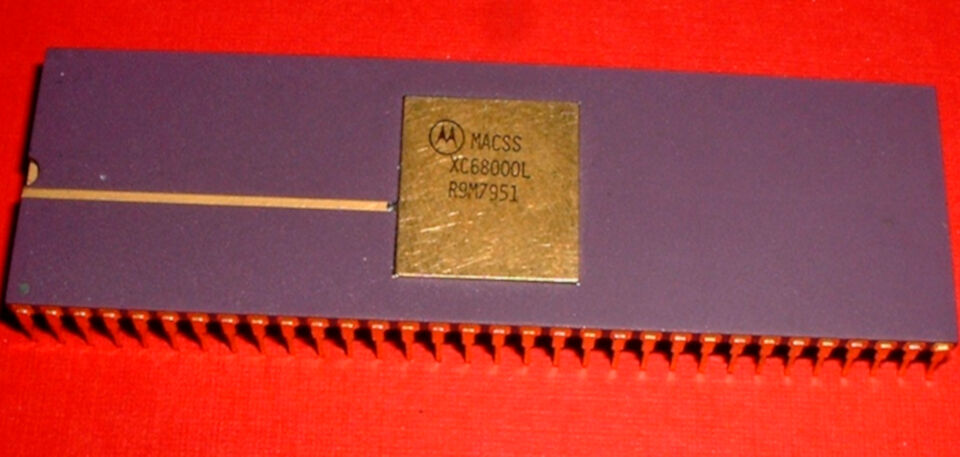
در سال ۱۹۷۹، موتورولا ریزپردازنده ۶۸۰۰۰ را منتشر کرد — اولین ورودی از سری 68k و در نهایت جزء کلیدی از محصولات بسیار موفق آمیگا، اپل و آتاری در دهه بعد. این پردازنده ۱۶ بیتی با معماری قدرتمندش، پایهای شد برای نسلی از کامپیوترهایی که بعدها دنیا را تغییر دادند — از جمله آمیگا ۵۰۰ که تاریخچهاش را قبلاً مرور کردیم و آمیگا ۱۲۰۰ که تاریخچهاش را هم منتشر کردهام.
 📖 منبع: ویکیپدیا
#دهه_۱۹۷۰ #اینتل_۴۰۰۴ #آلتایر_۸۸۰۰ #اپل_دو #موتورولا_۶۸۰۰۰ #ریزپردازنده #میکروکامپیوتر #تاریخ_کامپیوتر #کامپیوتر_شخصی #رتروکامپیوتر #کامپیوترهای_شگفت_انگیز #نوستالژی #دهه_طلایی #بیل_گیتس #استیو_جابز #مایکروسافت #اپل #اینتل #موتورولا #تاریخ_فناوری #1970s #Intel4004 #Altair8800 #AppleII #Motorola68000 #Microprocessor #Microcomputer #ComputerHistory #PersonalComputer #RetroComputing #AmazingComputers #Nostalgia #GoldenYears #BillGates #SteveJobs #Microsoft #Apple #Intel #Motorola #TechHistory #Amiga #Commodore #Atari #Spectrum #ZXSpectrum #Commodore64
The 1970s: The Golden Years
From Iron Giants to Personal Computers
The machines mentioned in previous pages may have been excessively large, with limited speed and memory, and their availability to the general public seemed like a distant dream. But with more time and a deeper examination of the history of personal computers, when we reach the 1970s, it seems these particular years played an irreplaceable and lasting role in shaping this unstoppable industry.
The 1970s saw such broad progress in computer manufacturing and peripherals that even a brief tour would require a separate book. But in this chapter, we will take a passing glance at several important topics that played a fundamental role in the advancement of the personal and home computer industry.
Gordon Moore, one of Intel's founders, proposed that computer complexity doubles every two years. If computers entered the workforce in the 1950s and became smaller, more accessible, more affordable, and more powerful in the 1960s, you can probably imagine the kind of progress that occurred during the 1970s. In fact, according to Moore's hypothesis, computers at the beginning of the 1970s were ten times more complex than at the start of the 1960s.
1970 — Intel Dynamic RAM
Intel, founded in 1968, quickly became a global force in the computer industry. Intel proved this claim in 1970 with the release of the 1103, the world's first dynamic RAM chip. This chip, with a capacity of 1024 bits (one kilobit), effectively placed Intel at the top of prominent computer companies and challenged companies like IBM to compete. This invention laid the foundation for all modern memory found in every device today.
📖 Source: Wikipedia
1971 — Birth of the Microprocessor
Just one year after entering the scene with the first dynamic RAM, Intel made headlines again with the release of the first commercially available microprocessor. A 4-bit processor equipped with 2,300 transistors. This microprocessor, known as the Intel 4004, could process nearly 60,000 instructions per second with a maximum clock speed of 740 kHz. This small chip changed the computer world forever.
And about processors; a story that began with the Intel 4004. For a comprehensive introduction to the world of processors — from these earliest microprocessors to the legendary Z80 — I have published the book "Z80 Story" online. This book is a comprehensive reference for anyone wanting to delve deeper into processor architecture. These same processors later became the beating hearts of computers like the ZX Spectrum 48 and Commodore 64.
📖 Source: Wikipedia
Email; The Idea That Endured
Sometimes an idea is far ahead of its time, but with email, the opposite happened. Ray Tomlinson, using ARPANET, could send messages back and forth between two different computers — something never seen before. Until then, two users could log into a single system remotely and communicate, but connecting two distant computers was a new idea. The email idea was immediately embraced and has never disappeared since.
📖 Source: Wikipedia
The Decade of Printing Changes
While Xerox's copy machine had only been built a few years earlier, the company's researchers in 1972 identified a completely new method for creating images: using lasers. Unlike how Tomlinson's email idea was received, Xerox PARC managers weren't interested in making changes when the copy machine was working so well. Physicist Gary Starkweather and his colleagues, understanding the potential of their idea, decided to build their laser printer on their own — away from those who said "no." Ultimately their invention quickly became successful, and Xerox owed them a big apology.
📖 Source: Wikipedia
1972 — Let the Games Begin
In Chapter One, I mentioned that 1972 witnessed the founding of Atari and the release of Pong — two great steps toward the massive success of video games that awaited the world just a few years later. The Atari 2600 with Pong showed that video games weren't just a passing fad; they were a real industry.
📖 Source: Wikipedia
The Fourth Generation of Computers
While the exact starting point of the fourth generation of computer history is not defined, many experts consider 1972 as the official benchmark. But the classification of this generation relates less to time and more to technology. Anything using large-scale integration (LSI) or microprocessors is considered a fourth-generation computer. Typically, fourth-generation technology has between 500 and 10,000 components on a single chip.
📖 Source: Wikipedia
1973 — We Shrank the Computer
Even though supercomputers were still a notable technology, the early 1970s saw growing interest in microcomputers. In 1973, the Micral N appeared. This invention, developed by the French company R2E, was officially introduced as the world's first microcomputer. The Micral N proved that computers could move from large rooms to desktops.
📖 Source: Wikipedia
Logging In
From the development of the TCP/IP protocol suite to the invention of Ethernet, 1973 was the most important year for the future of the internet to date. Whether France's CYCLADES, Europe's EIN, Britain's NPL, or ARPANET, TCP/IP and Ethernet allowed these networks to link with other networks and create an internetwork — known as the internet.
📖 Source: Wikipedia
1974 — Enter Alto
Many know Xerox only as a printer and scanner maker, but interestingly, Xerox played a major role in creating the computer we know today. The Xerox Alto, released to the public in 1974, was equipped with a mouse, local networking with other Altos, a window-based graphical interface, and file sharing and printing capabilities. Many concepts we take for granted in computers today — from windows to the mouse — were first seen on the Alto.
📖 Source: Wikipedia
1975 — Altair 8800
For those interested in learning how computers work, the MITS Altair 8800 allowed enthusiasts to order a computer kit and assemble it personally. While these hobby computers were very limited in programming language, storage, and application, their low price and appeal for personal work made them a great success in 1975. The Altair 8800 was the spark that ignited the personal computer revolution.
📖 Source: Wikipedia
Microsoft Is Founded
Also in 1975, two men named Bill Gates and Paul Allen succeeded in doing something new: implementing the BASIC programming language on a microcomputer — specifically the MITS Altair. With this seemingly simple act, Gates and Allen had formed Microsoft. The rest of Microsoft's story, as they say, is history, and at that moment IBM was no longer the only titan in the game. Interestingly, this same BASIC was later used in the Commodore 64 — the computer that made the history of the best-selling computer in the world.
📖 Source: Wikipedia
1976 — The Birth of Apple
Less than a year after Bill Gates and Paul Allen formed Microsoft, Steve Wozniak and Steve Jobs took the stage and founded Apple Computer, Inc. to sell their single-board computer — the Apple I. The Apple I was simple, but it laid the foundation for the empire we know today.
📖 Source: Wikipedia
Supercomputers Endure
Even as more companies shifted focus to microcomputers, home computers, and personal computers, the need for supercomputers remained. At a time when everyone was shrinking, the Cray-1 supercomputer mainframes had no fear of being big. The Cray-1, famous for its horseshoe-shaped mainframe design, made vector processing a reality and delivered unprecedented computational power.
📖 Source: Wikipedia
1977 — New and Advanced Technology
In 1977, several companies had a good and precise vision for their product lines and made major advances from there. Apple released the Apple II with greatly improved design. Intel introduced the Intel 8086 — a 16-bit instruction set architecture that became one of the most successful and widely used microprocessors in PC history. Radio Shack, through Tandy, revised its desktop computer with a new microprocessor, improved memory, video display, and better programming language.
📖 Source: Wikipedia
1978 — Computers Reach the White House
Despite funding various computer research and development in previous decades, the Carter administration was the first presidential administration to install a computer in the White House. Carter and staff received HP 3000s along with a Xerox Alto and an IBM laser printer for the Oval Office. This symbolic event showed that computers were no longer just laboratory tools; they had reached the highest level of power.
📖 Source: Wikipedia
1979 — The Dawn of Disks
While disks marked with "k" had been a key component of computer technology for several decades, in the late 1970s, disks marked with "c" appeared on the scene. From laser disks to CDs, the invention of these new storage media for the first time threatened the idea of tape storage.
📖 Source: Wikipedia
Alone Together
Throughout the 1970s, many devices were designed to bring people and their technology together in a network. This ultimately resulted in a unique set of pros and cons: what if you didn't want to connect with others? What if you just wanted to do some work offline? These pros and cons led to many new computers — like the Atari 400 and 800 microcomputers or Texas Instruments' TI-99/4 microcomputers — being equipped with both online and offline capabilities. It was Atari that later revolutionized the world of home gaming with the Atari 2600.
📖 Source: Wikipedia
Motorola 68000
In 1979, Motorola released the 68000 microprocessor — the first entry in the 68k series and ultimately a key component of the highly successful Amiga, Apple, and Atari products of the next decade. This 16-bit processor with its powerful architecture became the foundation for a generation of computers that would later change the world — including the Amiga 500, whose history we have already reviewed, and the Amiga 1200, whose history I have also published.
📖 Source: Wikipedia
▚ Sources and Related Links
#1970s #Intel4004 #Altair8800 #AppleII #Motorola68000 #Microprocessor #Microcomputer #ComputerHistory #PersonalComputer #RetroComputing #AmazingComputers #Nostalgia #GoldenYears #BillGates #SteveJobs #Microsoft #Apple #Intel #Motorola #TechHistory #Amiga #Commodore #Atari #Spectrum #ZXSpectrum #Commodore64 #VintageComputing