آمیگا ۳۰۰۰ سومین مدل اصلی — غیر خانگی — از خانواده کامپیوترهای آمیگا است که نسبت به مدلهای قبلی پیشرفت زیادی دارد. این کامپیوتر سرعت بهبود یافته، قابلیتهای گرافیکی بهتر و سیستم عامل جدید و توسعه یافته را ارائه میدهد. در حالی که آمیگا ۱۰۰۰ و آمیگا ۲۰۰۰ از نظر معماری و عملکرد مشابه بودند، آمیگا ۳۰۰۰ یک دستگاه کاملاً جدید است که از ابتدا به عنوان یک ایستگاه کاری گرافیکی قدرتمند طراحی شده.
آمیگا ۳۰۰۰ اولین کامپیوتر از خانواده آمیگا است که از پردازندهای به جز ۶۸۰۰۰ روی مادربرد استفاده کرد. این کامپیوتر به لطف پردازنده جدید موتورولا ۳۲ بیتی ۶۸۰۳۰، پردازنده کمکی ریاضی ۶۸۸۸۲ و حافظه سیستم ۳۲ بیتی — که به افزایش سرعت پردازش اعداد صحیح با ضریب ۵ به ۱۸ و سرعت پردازش ممیز شناور با ضریب ۷ کمک کردند — حدوداً تا ۲۰۰ برابر سریعتر از پردازش محاسبات ریاضی در آمیگای اولیه بود.

کیکاستارت و ورکبنچ جدید
ماشینهای خیلی اولیه آمیگا ۳۰۰۰ با یک رام بتای کیکاستارت ۱/۴ عرضه میشدند. وقتی دستگاه روشن میشد، به کاربر امکان انتخاب بین کیکاستارت ۱/۳ یا کیکاستارت ۲ جدید را میداد و کیکاستارت مناسب از یک دیسک «سوپرکیکاستارت» یا به صورت فایل از هارد دیسک بارگذاری میشد. این اولین ماشینی بود که سیستم ۲ را داشت — اسمی که کمودور برای انتشار ترکیبی از کیکاستارت ۲ و ورکبنچ ۲ انتخاب کرد.
هرچند در همه مدلهای قبلی آمیگا همیشه یک سیستم عامل مولتیتسکینگ ۳۲ بیتی وجود داشت، در سیستم عامل جدید Workbench 2.04 ظاهر و احساس بسیار حرفهایتری نسبت به سیستم عامل قدیمی ۱/۳ دیده میشد که با آمیگا ۱۰۰۰ و ۲۰۰۰ ارائه شده بود. از دیگر ویژگیهای ورکبنچ جدید میشد به اتصال آسانتر سیستم برای برنامهنویسان و تعامل بهتر و آسانتر با کاربر اشاره کرد.

یونیکس و ایستگاه کاری
کمودور قراردادی با AT&T امضا کرده بود تا از سیستم عامل یونیکس نسخه ۴ در آمیگا ۳۰۰۰ استفاده کند. برای این منظور مدلی با عنوان Amiga 3000 Unix عرضه شد. در یک مقطع، سان میکروسیستمز به کمودور پیشنهاد تولید A3000UX تحت لیسانس داد تا از آنها به عنوان جایگزین رده پایین تا متوسط برای ایستگاههای کاری رده بالای Sun استفاده کند. این پیشنهاد رد شد — تا مانند بسیاری از تصمیمات مدیریتی، منجر به این باور عمومی شود که اگر مدیریت کمودور در دست ترامیل مانده بود، پلتفرم آمیگا میتوانست مسیر موفقیتآمیز واقعی داشته باشد.
سیستم عامل یونیکس که توسعهاش از سال ۱۹۶۹ آغاز شد، در ابتدا برای استفاده در سیستم Bell در نظر گرفته شده بود. AT&T مجوز یونیکس را در اواخر دهه ۱۹۷۰ به توسعهدهندگان دیگر داد که منجر به تولید انواع مختلف یونیکس دانشگاهی و تجاری از جمله BSD از دانشگاه برکلی، Xenix از مایکروسافت و Sun Microsystems شد. سیستمهای یونیکس با طراحی مدولار مشخص میشوند — فلسفهای که میگوید سیستم عامل باید مجموعهای از ابزارهای ساده ارائه دهد که هر یک عملکرد محدود و به خوبی تعریف شده انجام دهند.
آمیگا ۳۰۰۰ یونیکس را شاید بتوان به عنوان اولین ایستگاه کاری خانواده آمیگا در نظر گرفت. ایستگاه کاری یک کامپیوتر ویژه است که برای کاربردهای فنی یا علمی طراحی شده — عمدتاً برای استفاده توسط یک کاربر در نظر گرفته شده و معمولاً به شبکه محلی متصل میشود و سیستم عاملهای چند کاربره اجرا میکند.
گرافیک و قابلیتهای فنی
معماری گرافیکی سفارشی جدید ECS — مجموعه تراشههای پیشرفته — حالتهای گرافیکی غیرقابل دسترسی مثل وضوح ۶۴۰×۹۶۰، ۱۲۸۰×۵۱۲ و ۱۰۰۸×۱۰۲۴ را ممکن کرد. هرچند در این حالتها تعداد رنگها محدود بود، عملکرد گرافیکی آمیگا ۳۰۰۰ حدوداً ۳/۳ برابر سریعتر از مدلهای قبلی بود. این گرافیک را تراشههای پائولا، اگنس و دنیس ممکن میکردند.
مدار Scandoubler و De-Interlacing داخلی، سیگنال ویدئویی استاندارد آمیگا را از 15KHz به 31KHz تغییر میداد — بنابراین میشد از یک مانیتور VGA معمولی استفاده کرد. این مدار به عنوان «تثبیتکننده سوسو زدن» عمل میکرد و سوسو زدن آزاردهندهای را که اغلب در سیگنالهای ویدئویی به هم پیوسته رخ میدهد حذف میکرد.
تا آن زمان هیچ مدلی از کامپیوترهای آمیگا کنترلر هارد دیسک داخلی نداشت. آمیگا ۳۰۰۰ یک کنترلر DMA SCSI با سرعت بالا در دسترس قرار میداد که حداکثر هفت دستگاه اسکازی داخلی و خارجی — مثل هارد دیسک، اسکنر، سیدی رام و... — میشد به آن وصل کرد.
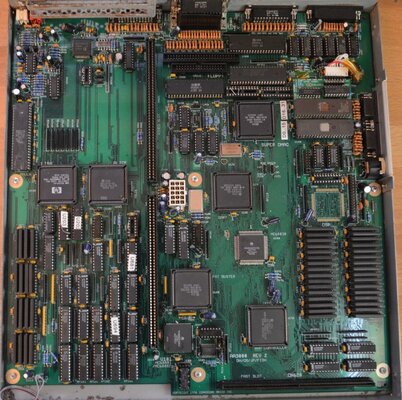
به منظور صرفهجویی در فضا، حداکثر چهار کارت توسعه به صورت افقی در آمیگا ۳۰۰۰ نصب میشد — برخلاف حالت عمودی در آمیگا ۲۰۰۰. در آمیگا ۳۰۰۰ سه نوع مختلف اسلات توسعه وجود داشت: اسلات ویدئوی آمیگا، اسلات زورو ۲ و ۳، و اسلات ISA برای سازگاری با کامپیوترهای شخصی.
آمیگا ۳۰۰۰ تنها کامپیوتر آمیگا بود که از تراشههای ZIP DRAM عجیب و غریب استفاده میکرد — تراشههایی که به جای موقعیت افقی معمول، به صورت عمودی نصب میشدند. این مدل آیسی به آمیگا امکان میداد در فضای محدودتر از تعداد بیشتری تراشه رم استفاده کند.
آمیگا ۳۰۰۰ نشاندهنده یک جهش به جلو در خط تولید آمیگا بود. این آمیگا توانست لوازم جانبی ضروری را مستقیماً روی مادربرد ادغام کند و نیاز به کارتهای توسعه اضافی را از بین ببرد. گنجاندن کنترلر دیسک سخت، حافظه کافی و خروجی نمایشگر پیشرفته منجر به راهحلی قدرتمند و مقرون به صرفه برای متخصصان مالتیمدیا شد.
آمیگا ۳۰۰۰ در پنج مدل تولید شد که به ترتیب در پردازنده و کمکپردازنده ریاضی ارتقا یافتند. همچنین مدلی با عنوان آمیگا 3000T — تاور — عرضه شد که این نامگذاری به دلیل نوع کیس بزرگ و ایستاده آن است.
«اگر مدیریت کمودور در دست ترامیل مانده بود، پلتفرم آمیگا میتوانست مسیر موفقیتآمیز واقعی داشته باشد.»
#آمیگا۳۰۰۰ #Amiga3000 #A3000 #یونیکس #Unix #۶۸۰۳۰ #68030 #زورو۳ #ZorroIII #SCSI #ورک_بنچ۲ #Workbench2 #ایستگاه_کاری #Workstation #کمودور #Commodore #رتروکامپیوتر #RetroComputing #نوستالژی #Nostalgia #کامپیوترهای_شگفت_انگیز #AmazingComputers #تاریخ_فناوری #TechHistory #سخت_افزار #Hardware #کامپیوتر_تاریخ #ComputerHistory #ZIP_RAM #ECS #دهه_نود #1990s #آمیگا #Amiga #مالتی_مدیا #Multimedia #سان_میکروسیستمز #SunMicrosystems #ای_تی_اند_تی #ATT #رتروگیمینگ #RetroGaming
The Amiga 3000 is the third main — non-home — model in the Amiga family, with significant advances over previous models. This computer offered improved speed, better graphics capabilities, and a new and developed operating system. While the Amiga 1000 and Amiga 2000 were similar in architecture and performance, the Amiga 3000 is a completely new machine designed from the ground up as a powerful graphics workstation.
The Amiga 3000 was the first Amiga to use a processor other than the 68000 on the motherboard. Thanks to the new 32-bit Motorola 68030 processor, the 68882 math coprocessor, and 32-bit system memory — which helped increase integer processing speed by 5 to 18 times and floating-point processing speed by 7 times — this computer was up to 200 times faster at math calculations than the original Amiga.
New Kickstart and Workbench
Very early Amiga 3000 machines shipped with a beta Kickstart 1.4 ROM. When powered on, the user could choose between Kickstart 1.3 or the new Kickstart 2, which would be loaded from a "SuperKickstart" disk or as a file from the hard disk. This was the first machine with System 2 — the name Commodore chose for the combined release of Kickstart 2 and Workbench 2.
Although all previous Amiga models always had a 32-bit multitasking OS, the new Workbench 2.04 had a much more professional look and feel than the old 1.3 OS that shipped with the Amiga 1000 and 2000. Other features of the new Workbench included easier system integration for programmers and better, easier user interaction.
Unix and Workstation
Commodore had signed an agreement with AT&T to use Unix System V Release 4 on the Amiga 3000. A model titled Amiga 3000 Unix was released for this purpose. At one point, Sun Microsystems offered to license A3000UX production as low-to-mid-range alternatives to their high-end Sun workstations. The offer was rejected — like many management decisions, leading to the common belief that if Commodore management had remained under Tramiel, the Amiga platform could have had a truly successful path.
The Unix operating system, whose development began in 1969, was initially intended for the Bell system. AT&T licensed Unix to other developers in the late 1970s, leading to various academic and commercial variants including BSD from UC Berkeley, Xenix from Microsoft, and Sun Microsystems. Unix systems are characterized by modular design — a philosophy stating the OS should provide a set of simple tools, each performing a limited, well-defined function.
The Amiga 3000 Unix might be considered the first workstation in the Amiga family. A workstation is a special computer designed for technical or scientific applications — primarily for single-user use, usually connected to a local network and running multi-user operating systems.
Graphics and Technical Capabilities
The new ECS custom graphics architecture enabled previously unavailable modes like 640×960, 1280×512, and 1008×1024 resolutions. Although color counts were limited in these modes, the Amiga 3000's graphics performance was about 3.3 times faster than previous models. This graphics was made possible by the Paula, Agnus, and Denise chips.
The built-in Scandoubler and De-Interlacing circuit changed the standard Amiga video signal from 15KHz to 31KHz, so a regular VGA monitor could be used. This circuit acted as a "flicker fixer" and eliminated the annoying flicker that often occurs in interlaced video signals.
Until then, no Amiga computer had a built-in hard disk controller. The Amiga 3000 offered a high-speed DMA SCSI controller to which up to seven internal and external SCSI devices — like hard disks, scanners, CD-ROMs and more — could be connected.
To save space, up to four expansion cards were installed horizontally in the Amiga 3000 — unlike the vertical orientation in the Amiga 2000. The Amiga 3000 had three different expansion slot types: Amiga video slot, Zorro II and III slots, and ISA slots for PC compatibility.
The Amiga 3000 is the only Amiga computer that used exotic ZIP DRAM chips mounted vertically instead of the usual horizontal IC orientation. This IC form factor allowed the Amiga to use more RAM chips in a smaller space.
The Amiga 3000 represented a leap forward in the Amiga line. It integrated essential peripherals directly on the motherboard, eliminating the need for additional expansion cards. Built-in hard disk controller, sufficient memory, and advanced display output made it a powerful, cost-effective multimedia professional solution.
The Amiga 3000 was produced in five models with successive CPU and math coprocessor upgrades. Also, a model titled Amiga 3000T — Tower — was released, named for its large, upright case.
"If Commodore management had remained under Tramiel, the Amiga platform could have had a truly successful path."
▚ Sources and Related Links
#Amiga3000 #A3000 #Unix #68030 #ZorroIII #SCSI #Workbench2 #Workstation #Commodore #RetroComputing #Nostalgia #AmazingComputers #TechHistory #Hardware #ComputerHistory #ZIP_RAM #ECS #1990s #Amiga #Multimedia #SunMicrosystems #ATT #RetroGaming #VintageComputing #ClassicComputing