اغلب اختراعات جدید با دو چالش روبرو هستند: اول غلبه بر موانع و مشکلات ایدهپردازی و تبدیل ایدهپردازی به محصول واقعی با کارکرد مورد نظر، و دوم رقابت با محصولات قبلی. آمیگا در سال ۱۹۸۵ بهترین کامپیوتری بود که میتوانست وجود داشته باشد. این کامپیوتر دارای تراشههای اختصاصی بود که قدرتهای صوتی و تصویری بسیار پیشرفتهتر از دنیای ساده اما جاافتاده کامپیوترهای کلونی آیبیام را در اختیار خریداران قرار میداد. اما به نظر میرسید هنوز سازندگان و طراحان آمیگا نمیدانستند آینده این کامپیوتر به چه سمت و سویی خواهد رفت.
در فصل سوم کتاب توضیح داده شد که جک ترامیل به علت نیاز مالی برای ادامه کار کمودور مجبور شد ۱۷ درصد از سهام کمودور — به علاوه عنوان رئیس هیئت مدیره — را به ایروینگ گولد واگذار کند. واگذاری چیزهایی که چند دهه برای به دست آوردنشان تلاش کرده بود. ماشینها، به خصوص کامپیوترهایی که در آن برهه زمانی تولید میشدند، هر کدام به واسطه سازندگان و طراحان خود — مانند اپل استیو جابز یا اسپکتروم کلایو سینکلر — دارای هویت و شناسنامهای میشدند که به نظر میرسید به آن دستگاه بیجان حیات بخشیده و آن محصول را تبدیل به یکی از مفاهیم عمیق زندگی بشر مینمود.
دادن چنین جایگاهی به شخصی که ذهنیتی به دور از این مفاهیم داشت، بزرگترین میخی بود که از ابتدا بر تابوت آمیگا کوبیده شد. خط تولید کمودورهای جذاب، نوآورانه و ارزانقیمت سری TED که میتوانست فصل جدیدی در دنیای کامپیوترهای ۸ بیتی آغاز کند، به علت حساسیتهای ذهنی که نسبت به قدرتمند شدن نام ترامیل در ایروینگ گولد به وجود آمده بود، به فنا رفت. موضوعی که برای شخص نویسنده این کتاب بسیار قابل درک است — و بسیاری از ما بارها در چنین وضعیتی مجبور به ترک تمام چیزهایی شدیم که برای ساختنشان سالهای زیادی زحمت کشیده بودیم.
تیم آمیگا نیز با پیشنهاد مبلغ چند برابر — و صرفاً با هدف قطع دسترسی ترامیل به چیپهای خارقالعاده آن — توسط مدیریت کمودور خریداری شد. ترامیل با کمودور ۶۴ نشان داده بود که میدانست چگونه آمیگا را به جهان معرفی کرده و گسترش آن را مدیریت کند، اما سرنوشت آمیگایی که به دستان ایروینگ گولد سپرده میشد از پیش تعیین شده بود.
برای تدوین این کتاب به منابع اصلی سایت کمودور و... رجوع نمودم. نوشتن چند صد صفحه کتاب مستلزم خواندن چند برابر مطالب مختلف میباشد. با مطالعه این حجم از موضوعات متنوع، به این نتیجهگیری رسیدم که غالب این مطالب توسط افرادی نوشته شده که به نوعی شریک تجاری شرکت کمودور بودهاند و چربش طرفداری از تصمیمات این مجموعه در چنین آثاری مشاهده میشود. در بسیاری از دیدگاهها ابراز خوشحالی شده که کمودور آمیگا را از نابود شدن توسط ترامیل نجات داد! اما سعی دارم با در کنار هم گذاشتن آنها، از زاویهای متفاوت و واقعبینانهتر به این موضوع بپردازم — که اتفاقاً کمودور و ایروینگ گولد باعث شدند ترامیل آمیگا را نابود کند، یا حداقل مابقی حیات کاری خود را صرف این هدف نماید.
امروزه علاقهمندان آمیگا تقریباً با اغلب نرمافزارها و سختافزارها و قابلیتهای گرافیکی و صوتی این ماشین پیشرو آشنا هستند. ما به خوبی میدانیم که این کامپیوتر در تولید ویدئوهای خلاقانه، پشتیبانی از شبکههای تلویزیونی و ساخت فیلمهای سینمایی مطرحی همچون «ترمیناتور ۲» (۱۹۹۲) یا انیمیشنهای جادویی والت دیزنی نظیر «دیو و دلبر» چه نقش کلیدی داشته است. اما در ۱۹۸۵ حتی سازندگان آمیگا نیز از چنین سرنوشتی بیاطلاع بودند.
به هر جهت، در آن روزگار همزمان با معرفی اولین آمیگا تصمیم گرفته شد که سازگاری با IBM-PC چیز خوبی برای آمیگا است! این تصمیم خیلی زود گرفته شد و همانطور که در صفحات قبل اشاره شد، در زمان برگزاری جشن معرفی آمیگا در مرکز لینکلن نیویورک در ژوئیه ۱۹۸۵، نسخههایی از یک شبیهساز IBM-PC فقط به صورت نرمافزاری به نام Transformer که روی آمیگا اجرا میشد معرفی گردید. قرار بود یک دستگاه شتابدهنده سختافزاری طراحی شود تا این شبیهسازی مبتنی بر نرمافزار را مفیدتر و سریعتر کند، اما به دلایلی کمودور آن مسیر را رها کرد و سختافزاری بزرگ، گرانقیمت، زمخت و پر سر و صدا ساخت که آن را A1060 Sidecar نامیدند.

جعبه فلزی
این محصول یک جعبه فلزی بزرگ است شامل یک مادربرد سازگار با IBM-PC که پردازنده ۸۰۸۸ با سرعت ۴/۷۷ مگاهرتز در آن تعبیه شده، یک اسلات برای تراشه ریاضی ۸۰۸۷ روی مادربرد آن قرار دارد، رم ۲۵۶ کیلوبایت — با فضای گسترش تا ۵۱۲ کیلوبایت — سه اسلات ISA هشت بیتی افزوده شده و یک درایو فلاپی ۵/۲۵ به آن اختصاص داده شده است. حافظه ۸۰ کیلوبایتی دوگانه بین پردازنده ۶۸۰۰۰ آمیگا ۱۰۰۰ و ۸۰۸۸ سایدکار مشترک است.
سایدکار نزدیک به اواخر سال ۱۹۸۶ معرفی شد. حدود ۱۰۰۰ دلار قیمت داشت — مبلغی قابل توجه. در آن روزها کامپیوترهای شخصی اولیه یک ژست کلاسیک داشتند که وقتی آمیگا سیاره را فتح میکرد، هنوز ظاهر فریبنده خود را حفظ میکردند.
سایدکار به طور خاص برای آمیگا ۱۰۰۰ ساخته شد و کمی قبل از توقف تولید آمیگا ۱۰۰۰ معرفی شد. به همین دلیل تعداد کمی از آن فروخته شد. اما این پروژه از بین نرفت، زیرا کارت داخلی بسیار زیباتر BridgeBoard سازگار با کامپیوتر آمیگا ۲۰۰۰ از همان نرمافزار و احتمالاً طراحی سختافزاری مشابه استفاده کرد.
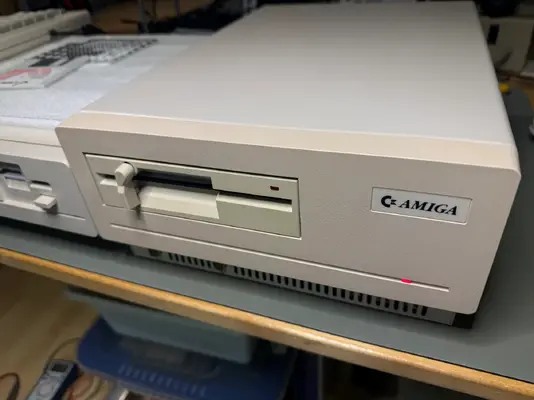
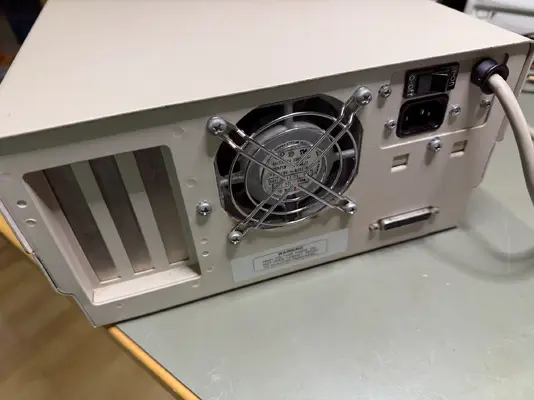
از پشت میتوان ساختار فلزی با کیفیت بالا را مشاهده کرد. آن فن سنگین سر و صدای زیادی ایجاد میکرد. پورت نزدیک پایین — زیر دوشاخه برق — برای درایوهای فلاپی آمیگا است. امکان اتصال درایو فلاپی ۳/۵ اینچی A1010 به آن پورت وجود دارد و میتوان از دیسکهای ۷۲۰ کیلوبایتی آیبیام استفاده کرد. این درایو به صورت درایو B: ظاهر میشد.
جریان برق به سایدکار میرود و سایدکار آن را به آمیگا منتقل میکند. سپس کلید خاموش و روشن سایدکار به عنوان کلید برق برای دو واحد با هم استفاده میشود.
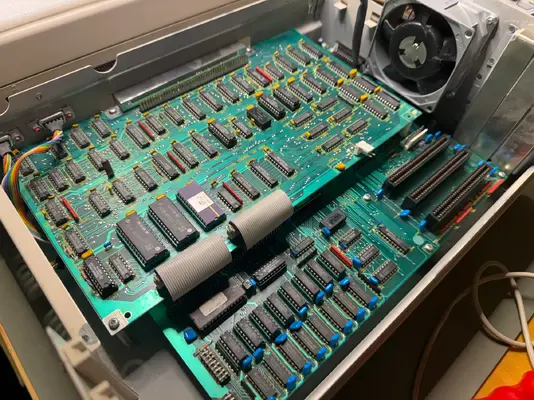
سایدکار حتی با وجود اندازه بزرگش فضای خالی زیادی در داخل نداشت. سه اسلات کامپیوتر ۸ بیتی با اندازه کامل، یک محفظه درایو ۵/۲۵ اینچی، یک منبع تغذیه عظیم، یک گذرگاه باس ۸۶ پین نر جهشیافته عجیب و غریب که در داخل جعبه قابل دسترسی بود، و دو سطح از برد مدار چاپی.
به نظر میرسد سایدکار یک کامپیوتر همزیست باشد، زیرا به آمیگا برای ورودی کاربر و خروجی ویدیو نیاز دارد و میتواند با تنظیمات خاصی به عنوان یک سرور دیسک برای آمیگا عمل کند. با این حال سایدکار بدون آمیگا نمیتواند کار کند، اما آمیگا بدون سایدکار به خوبی کار میکند.
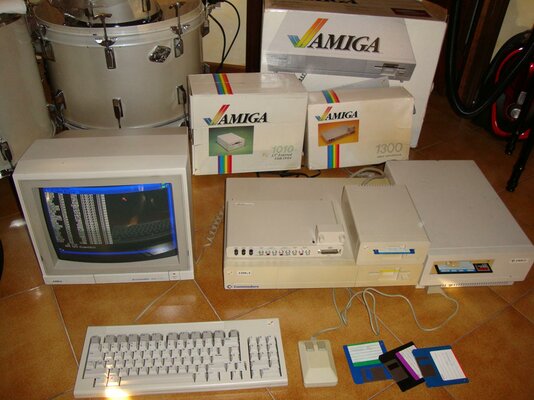
در این تصویر، سایدکار در حال اجرای Norton Commander در سمت PC و همچنین سرویس فایل برای آمیگا است. صفحه کامپیوتر شخصی به پایین کشیده شده، به طوری که نیمه بالایی صفحه نمایش میز کار آمیگا را نشان میدهد و نیمه پایینی نمایشگر برنامه Norton Commander است که روی پارتیشن MS-DOS اجرا میشود.
تحلیل سرنوشت آمیگا
بعد از گذشت ۴ دهه، بسیاری از علاقهمندان آمیگا به این نتیجه رسیدهاند که شاید بهتر میبود جک ترامیل و آتاری به جای شرکت کمودور آمیگا را تصاحب میکردند. او به خوبی توانسته بود از قابلیتهای ساده کمودور ۶۴ استفاده کرده و آن را به خواستنیترین «کامپیوتر خانگی» دوران خود تبدیل نماید. همچنین با درکی درست از شرایط زمانه توانسته بود آتاری ST را از همان سالهای آغازین تولید به عنوان یک ابزار مؤثر در صنعت موسیقی معرفی کند.
اما مدیریت کمودور — و شاید شخص ایروینگ گولد — درکی از چنین ماشین حیرتانگیزی نداشتند. به جای تمرکز بر قدرتهای گرافیکی و قابلیتهای ویژه آمیگا و تلاش باکیفیت در معرفی چنین محصولی به بازار، ظرفیتهای این کامپیوتر قوی را در جهت سازگاری با سیستمهای ابتدایی کلونی آیبیام مصرف مینمودند! آمیگا کامپیوتری بود که نوآوریهای فراوانی در عرصه تکنولوژی، پردازش تصویر و قابلیتهای صوتی با خود به همراه آورده بود.
ساخت چنین دستگاهی البته چندان منحصر به فرد نیست — مکینتاش اپل شاید بسیار بهتر از آمیگای کمودور خود را با آیبیام سازگار کرده باشد. برای اپل کلاسیک ۱۹۸۴ با گرافیک تکرنگ و امکانات گسترش محدود، سازگاری با کلونی آیبیام نقشه راه آیندهنگرانهای به نظر میرسید. اما چیپهای پیشرفته آمیگا میتوانست مسیر بهتری را انتخاب کند — راهی که ترامیل در سال ۱۹۸۶ و پس از عدم دستیابی به تیم آمیگا با آتاری ST در پیش گرفت و از همان ابتدا با تجهیز این کامپیوتر به رابط MIDI توانست در میان هنرمندان موسیقی جایگاه ارزندهای به این کامپیوتر اختصاص دهد.
اکنون شاید بهتر بتوانیم درک کنیم سرنوشت چیپهای آمیگا در دستان ترامیل میتوانست مسیری بسیار متفاوت داشته باشد — معماری قدرتمندی که توانمندی بینظیری ایجاد کرده بود. در صفحات پیش رو به بررسی نوآوریهایی که آمیگا به همراه آورده بود نگاهی خواهیم داشت. خرید آمیگا ۵۰۰ دست دوم را در مقاله اختصاصی آمیگااستور بخوانید.
«آمیگا کامپیوتری بود که نوآوریهای فراوانی با خود به همراه آورد — اما سرنوشتش در دستان اشتباه رقم خورد.»
#سایدکار #Sidecar #A1060 #آمیگا۱۰۰۰ #Amiga1000 #IBM_PC #شبیه_ساز_IBM #IBM_Emulator #ترنسفورمر #Transformer #BridgeBoard #جک_ترامیل #JackTramiel #ایروینگ_گولد #IrvingGould #کمودور #Commodore #آتاری_ST #AtariST #MIDI #نورتون_کامندر #NortonCommander #MS_DOS #سخت_افزار #Hardware #رتروکامپیوتر #RetroComputing #نوستالژی #Nostalgia #کامپیوترهای_شگفت_انگیز #AmazingComputers #تاریخ_فناوری #TechHistory #سازگاری_IBM #IBM_Compatibility #پردازنده_8088 #RAM #فلاپی_درایو #FloppyDrive #اسلات_ISA #ISA_Slot #کامپیوتر_تاریخ #ComputerHistory #دهه_هشتاد #1980s #تحلیل_سرنوشت #DestinyAnalysis #آمیگا #Amiga #آمیگا۲۰۰۰ #Amiga2000 #رتروگیمینگ #RetroGaming
Most new inventions face two challenges: first, overcoming the obstacles of ideation and turning ideas into a real product with the intended function, and second, competing with previous products. The Amiga in 1985 was the best computer that could exist. This computer had proprietary chips that offered audio and video capabilities far more advanced than the simple but established world of IBM clone computers. But it seemed the Amiga's creators and designers still didn't know where this computer's future was heading.
In Chapter Three of the book, it was explained that Jack Tramiel, due to financial need to keep Commodore running, was forced to hand over 17 percent of Commodore stock — plus the title of Chairman of the Board — to Irving Gould. Handing over things he had worked decades to achieve. Machines, especially computers produced at that time, each acquired an identity through their creators and designers — like Steve Jobs's Apple or Clive Sinclair's Spectrum — that seemed to bring life to the lifeless device and turn the product into one of humanity's deep concepts.
Giving such a position to someone with a mindset far from these concepts was the biggest nail driven into the Amiga's coffin from the beginning. The attractive, innovative, and affordable Commodore TED series that could have opened a new chapter in the 8-bit computer world was destroyed due to the mental sensitivities that arose in Irving Gould about Tramiel's growing name — a subject very understandable to this book's author. Many of us have repeatedly been forced to leave everything we spent years building!
The Amiga team was also purchased by Commodore management with an offer of multiples — solely to cut off Tramiel's access to its extraordinary chips. Tramiel had shown with the Commodore 64 that he knew how to introduce the Amiga to the world and manage its expansion, but the fate of an Amiga entrusted to Irving Gould was predetermined.
To compile this book, I referred to the main sources of the Commodore site and more. Writing hundreds of pages requires reading several times more material. Studying this volume of diverse topics, I concluded that most of these materials were written by people who were somehow commercial partners of Commodore, and a bias toward this company's decisions is evident in such works. Many views expressed happiness that Commodore saved the Amiga from being destroyed by Tramiel! But I try by putting them together to address this topic from a different and more realistic angle — that in fact Commodore and Irving Gould made Tramiel destroy the Amiga, or at least spend the rest of his career pursuing this goal.
Today, Amiga enthusiasts are familiar with almost all software, hardware, graphics, and audio capabilities of this pioneering machine. We know well what key role this computer played in producing creative videos, supporting TV networks, and making major films like "Terminator 2" (1992) or Walt Disney's magical animations like "Beauty and the Beast." But in 1985, even the Amiga's creators were unaware of such a destiny.
Anyway, at that time, with the introduction of the first Amiga, it was decided that IBM-PC compatibility was a good thing for the Amiga! This decision was made very quickly, and as mentioned in previous pages, during the Amiga launch celebration at Lincoln Center in New York in July 1985, versions of an IBM-PC emulator called Transformer running entirely in software on the Amiga were introduced. A hardware accelerator device was planned to make this software-based emulation more useful and faster, but for some reasons Commodore abandoned that path and built a large, expensive, clunky, and noisy hardware device called the A1060 Sidecar.
The Metal Box
This product is a large metal box containing an IBM-PC compatible motherboard with an 8088 processor running at 4.77 MHz, a slot for an 8087 math chip on its motherboard, 256KB RAM — expandable to 512KB — three added 8-bit ISA slots, and a 5.25-inch floppy drive assigned to it. An 80KB dual-access memory is shared between the Amiga 1000's 68000 processor and the Sidecar's 8088.
The Sidecar was introduced near the end of 1986. It cost about $1,000 — a significant amount. In those days, early personal computers had a classic pose that they maintained while the Amiga conquered the planet.
The Sidecar was specifically built for the Amiga 1000 and was introduced shortly before Amiga 1000 production was discontinued. Therefore, few were sold. But this project did not die — the much more elegant BridgeBoard internal card compatible with the Amiga 2000 used the same software and likely similar hardware design.
From the back, the high-quality metal structure can be seen. That heavy fan created a lot of noise. The port near the bottom — below the power plug — is for Amiga floppy drives. The A1010 3.5-inch floppy drive can be connected to this port and IBM 720KB disks can be used. This drive appeared as drive B:.
Power goes to the Sidecar, and the Sidecar passes it to the Amiga. The Sidecar's power switch then serves as the power switch for both units together.
Despite its large size, the Sidecar had little empty space inside. Three full-size 8-bit PC slots, a 5.25-inch drive bay, a massive power supply, a strange 86-pin male edge connector bus accessible inside the box, and two layers of printed circuit board.
The Sidecar seems like a symbiotic computer, as it needs the Amiga for user input and video output and can act as a disk server for the Amiga with specific settings. However, the Sidecar cannot work without the Amiga, but the Amiga works fine without the Sidecar.
In this image, the Sidecar is running Norton Commander on the PC side while also serving files to the Amiga. The PC screen has been pulled down so that the upper half of the display shows the Amiga desktop and the lower half shows Norton Commander running on an MS-DOS partition.
Analyzing Amiga's Fate
After four decades, many Amiga enthusiasts have concluded that perhaps it would have been better if Jack Tramiel and Atari had acquired the Amiga instead of Commodore. He had been able to use the Commodore 64's simple capabilities and turn it into the most desirable "home computer" of its era. Also, with a proper understanding of the times, he had been able to introduce the Atari ST from its early production years as an effective tool in the music industry.
But Commodore management — and perhaps Irving Gould personally — did not understand such an amazing machine. Instead of focusing on the Amiga's graphics powers and special capabilities and making quality efforts to introduce such a product to the market, they consumed this powerful computer's capacities toward compatibility with primitive IBM clone systems! The Amiga was a computer that had brought many innovations in technology, image processing, and audio capabilities.
Building such a device is of course not unique — the Apple Macintosh may have made itself much more IBM compatible than Commodore's Amiga. For the classic 1984 Apple with monochrome graphics and limited expansion, IBM clone compatibility seemed like a futuristic roadmap. But the Amiga's advanced chips could have chosen a better path — the path Tramiel took in 1986 with the Atari ST after failing to get the Amiga team, equipping it with a MIDI interface from the very beginning to earn a valuable place among music artists.
Now we can perhaps better understand that the fate of Amiga chips in Tramiel's hands could have taken a very different path — a powerful architecture that had created extraordinary capability. In the following pages, we will look at the innovations the Amiga brought. Read about buying a used Amiga 500 in the exclusive AmigaStore article.
"The Amiga was a computer that brought many innovations — but its fate was sealed in the wrong hands."
▚ Sources and Related Links
#Sidecar #A1060 #Amiga1000 #IBM_PC #IBM_Emulator #Transformer #BridgeBoard #JackTramiel #IrvingGould #Commodore #AtariST #MIDI #NortonCommander #MS_DOS #Hardware #RetroComputing #Nostalgia #AmazingComputers #TechHistory #IBM_Compatibility #8088_Processor #RAM #FloppyDrive #ISA_Slot #ComputerHistory #1980s #DestinyAnalysis #Amiga #Amiga2000 #RetroGaming #VintageComputing