اگر یک نفر وجود داشته باشد که خالق یک مجموعه کامپیوتری کامل باشد، مطمئناً او جی ماینر است — پدر آمیگا. او در سال ۱۹۳۲ در پرسکات آریزونا متولد شد و به زودی با خانوادهاش به کالیفرنیا نقل مکان کرد. در دانشگاه برکلی تحصیل کرد، اما قبل از آن در گارد ساحلی ایالات متحده خدمت میکرد. آنجا استعداد او را در الکترونیک تشخیص دادند و به مدرسه الکترونیک در گروتن کانکتیکات منتقل کردند. در همین محیط، جی با همسر آیندهاش کارولین پوپلاوسکی آشنا شد و مدت کوتاهی بعد با او ازدواج کرد.
سه سال خدمت به لطف ازدواج نسبتاً سریع گذشت و کارولین با همسرش برای شروع تحصیل به کالیفرنیا بازگشت. در سال ۱۹۵۹ جی توانست با موفقیت مقطع لیسانس در مهندسی برق و علوم کامپیوتر را به پایان برساند. این رشته تحصیلی به او اجازه داد در دهه ۱۹۶۰ در شرکتهای متعددی مشاغل مناسبی پیدا کند. اما در کنار اشتغال در شرکتها، شانس خود را با استارتآپهای خودش هم امتحان میکرد. از جمله توانست یک ضربانساز قلب با کنترل از راه دور طراحی و تولید کند.

ماینر با سلامتیاش مشکلاتی داشت. عملکرد کلیههایش مختل شده بود و زمان زیادی را با دستگاههای دیالیز میگذراند. با این حال، به نظر نمیرسید این مشکل مانع او شود. در چند سال بعد یکی از اولین ولتمترها و ماشینحسابهای دیجیتال را طراحی کرد. دانش او از زمان خودش جلوتر بود.
آتاری و تراشه TIA
هارولد ام لی این پتانسیل را تشخیص داد و جی ماینر را به آتاری دعوت کرد. بلافاصله به او موقعیت شغلی دائمی داده شد. اولین پروژه، آداپتور رابط تلویزیونی — یا به اختصار TIA — بود که قرار بود سنگ بنای Atari VCS 2600 را تشکیل دهد. آتاری قبلاً با اولین ماشینهای پنگ ثروتمند شده بود و مدتی بود نسخههای خانگی ماشینهای بازی خود را میفروخت. به نظر میرسید بازار اشباع شده و گام منطقی، توسعه مدلی بود که کاربر را قادر میساخت بازیها را تعویض کند و همیشه برنامههای جدید را تجربه کند.
بخش توسعه آتاری نتوانسته بود هیچ پیشرفتی داشته باشد و تنها امیدشان کمک جی ماینر بود. تا آن زمان متخصصان آتاری فقط توانسته بودند یک برد پر از قطعه برای تولید تصویر تلویزیونی بسازند، اما این روش ابتدایی در دستگاه جدید قابل استفاده نبود. جی مشکل را حل کرد و تمام عملکردها را در یک تراشه ترکیب کرد که نامش را TIA گذاشت. با کمک او و یک دوره کوتاه رفع اشکال، مشکل حل شد و آتاری توانست VCS 2600 را وارد بازار کند — موفقیتی باورنکردنی که آغاز صنعت بازیهای کامپیوتری مدرن را اعلام کرد. آتاری ۲۶۰۰ را در فصل اول کتاب بررسی کردیم.

به عنوان یک داستان رایج بر سر زبانها افتاده بود که جی هرگز به تنهایی کار نمیکرد و همیشه نزدیکترین همکارش را کنار خود داشت: میچی. سگی از نژاد کوکاپو که مثل شریکش پلاک اسم خودش را روی در داشت. شاید این اولین اشاره تاریخی به یک توسعهدهنده کامپیوتر غیرانسانی باشد، چون میچی اختیار تصمیمگیری داشت! اگر جی نمیدانست چطور پروژهای را توسعه دهد، طرحها را به میچی نشان میداد. اگر سگ به یکی از پیشنویسها غر میزد، بلافاصله به سطل زباله میرفت. سگ آخرین راهحل بود!

تیم توسعه مشترک سپس روی طرحهای پیشرفته TIA کار کردند که بعداً در کامپیوترهای ۸ بیتی آتاری به کار گرفته شد. جی تراشه ANTIC — کنترلکننده رابط تلویزیونی الفبایی عددی — را طراحی کرد که در سال ۱۹۸۱ به ثبت رسید. ANTIC بر ۱۴ حالت مختلف برای نمایش متن و گرافیک تسلط داشت و به پردازنده MOS 6502 در پردازش دادهها کمک میکرد. در گستردهترین مفهوم میتوان ANTIC را یک پردازشگر گرافیکی اولیه توصیف کرد.
کار مقدماتی ماینر همچنین منجر به طراحی CTIA شد که میتوانست گرافیک پردازش شده و متن را به مانیتور ارسال کند. ANTIC تا سال ۱۹۸۶ در تمامی مدلهای ۸ بیتی آتاری باقی ماند — که احتمالاً نشاندهنده طراحی عالی آن است که نیازی به تغییر نداشت. باید اشاره کرد که جی طرحهایش را با دست روی کاغذ میآورد و آنها را طوری پرداخت میکرد که فقط خودش میتوانست واقعاً طرحها را درک کند. پردازش و تغییرات بعدی توسط اشخاص دیگر به سختی ممکن بود.

جدا شدن از آتاری
جی ماینر چندان راضی نبود. او به پردازندههای جدید موتورولا ۶۸۰۰۰ علاقهمند شده بود که بر اساس ۱۶ بیت خالص کار میکردند. جی از آتاری پرسید آیا میتواند کامپیوتری بر اساس این تراشه توسعه دهد؟ آتاری چندان مشتاق نبود. توسعه آتاری ۸۰۰ هزینههای هنگفتی به شرکت تحمیل کرده بود و شرکت هیچ فایدهای در کامپیوتری که پردازندهاش ۱۰۰ دلار قیمت داشت نمیدید. البته هزینه RAM هم به آن اضافه میشد — موتورولا ۶۸۰۰۰ به دو برابر حافظه نیاز داشت که هزینه را دو برابر میکرد.
این برخورد نامعقول مدیریت — که نشانههای زمانه را درک نمیکردند — ماینر را به شدت ناامید کرد و او به سرعت در سال ۱۹۸۲ همکاریاش را با آتاری قطع کرد. در عوض با یک شرکت ضربانساز قلب قرارداد امضا کرد و در همان حال به توسعه مفهوم ۱۶ بیتی خود ادامه داد، اگرچه بیشتر در جزئیات — چون مفهوم اصلی قبلاً به طور کامل توسعه یافته بود.
چند سال قبل، در سال ۱۹۸۰، لری کاپلان نیز تصمیم گرفته بود به آیندهاش در آتاری فکر کند. او به همراه چند توسعهدهنده دیگر از دستمزد راضی نبودند و از هیئت مدیره درخواست افزایش حقوق کرده بودند — که البته با وجود اینکه آتاری از بازیهایش میلیونها دلار درآمد کسب کرده بود، موافقت نشد. کاپلان هم مثل ماینر شرکت را ترک کرد و به همراه برنامهنویسانی که آتاری را ترک کرده بودند، Activision را تأسیس کرد.
پس از دو سال، کاپلان در سال ۱۹۸۲ با همکار قدیمیاش جی ماینر تماس گرفت و شکایت کرد که اکتیویژن هم انتظاراتش را برآورده نکرده است. کاپلان میخواست شرکت جدیدی راه بیندازد و از ماینر پرسید آیا شخص مناسبی میشناسد که بتواند به او کمک کند؟ جی ملاقاتی بین کاپلان و رئیس شرکت خود در Xymos ترتیب داد. این دیدار به کاپلان کمک کرد برنامه راهاندازی لازم را انجام دهد. جی همچنین سرمایهگذارانی را معرفی کرد که علاقهمند به عرضه یک کنسول بازی ویدیویی بودند — بازار بازیهای ویدیویی هنوز به اوج نرسیده یا سقوط نکرده بود. در ازای شروع کسبوکار، Xymos قرار بود تراشههای این سیستم را تولید کند.
تولد آمیگا
بر اساس ایده جی، کنسول باید میتوانست هر زمان که کاربر بخواهد به یک کامپیوتر واقعی تبدیل شود. قرار بود کاپلان نرمافزار مناسب را توسعه دهد و جی مسئول سختافزار باشد. کاپلان از ایده گسترش کامپیوتر خوشش آمد، اما درباره این گزینه به سرمایهگذاران چیزی نگفتند — احتمالاً چون در آن زمان کامپیوترها به سادگی در بازار انبوه مورد تقاضا نبودند.
سرانجام با تصمیم مدیریت، جی ماینر به سانتا کلارا نقل مکان کرد تا پروژه کامپیوتریاش را محقق کند. او خواستههای واضحی داشت: حقوق ماهانه، بسته سهام و دستیار شخصیاش میچی. به سگ دسترسی کامل به محل شرکت داده شد. اما بندی در قرارداد بود که اگر کارمندان احساس مزاحمت کنند، دسترسی سگ هر زمان میتواند لغو شود — اگرچه این اتفاق هرگز نیفتاد چون میچی بین کارمندان بسیار محبوب بود. این نکته برای جی خیلی مهم بود؛ او به میچی کنارش نیاز داشت تا در کارش احساس راحتی کند. این به او آرامش میداد و میتوانست کاملاً روی کارش متمرکز شود.
قبل از شروع اولین پروژه، کاپلان آنجا را ترک کرد. در نتیجه جی ماینر معاون شرکتی شد که قبلاً فقط روی کاغذ وجود داشت. توسعه پروژه حالا کاملاً در دستان او بود. به یک نام نیاز داشتند و در نهایت درباره Hi-Toro به توافق رسیدند. دفتر قبلی در سانتا کلارا بسته شد و Hi-Toro به دره سیلیکون انتقال یافت.
شرکت جدید بلافاصله اعلام کرد میخواهد نیروی کارش را افزایش دهد، اما در روزهای اولیه میشد متقاضیان را با یک دست شمرد. این عدم استقبال مطمئناً به این دلیل نبود که Hi-Toro یک شرکت نوپا دیده میشد — تعداد زیادی شرکت نوپا در سیلیکون ولی وجود داشتند. بلکه به دلیل نام شرکت بود که با نام یک شرکت چمنزنی مشابهت داشت. مجبور شدند دنبال نام مناسبتری بگردند. با مشورت سرمایهگذاران، نام به Amiga Inc تغییر یافت. جی ماینر در ابتدا اصلاً اشتیاقی نشان نداد، اما خیلی زود نظرش عوض شد. او معتقد بود یک کلمه اسپانیایی به خریداران بالقوه تداعی نادرستی میدهد — ولی بعدها اعتراف کرد که اشتباه میکرده.
طی چند ماه بعد، توسعه نمونه اولیه Lorraine — به نام همسر رئیس شرکت — ادامه یافت. جی ماینر دنبال افرادی میگشت که بتوانند قلب و روحشان را پشت این پروژه بگذارند و در محیط کار، ترجیحات و ویژگیهای عجیب افراد هم پذیرفته میشد. برخی با جوراب شلواری بنفش راه میرفتند و با افرادی روبهرو میشدند که دمپایی خرگوش مخملی پوشیده بودند. عجیب بودن در آمیگا خیلی مهم و پذیرفته شده بود و به همبستگی فضای خانواده کمک میکرد.
ظاهر دیل لاک — متخصص گرافیک شرکت — اصلاً شباهتی به یک متخصص کامپیوتر نداشت و بیشتر شبیه هیپیهای اواخر دهه ۱۹۶۰ بود. برای جی، تنها چیز مهم نتیجه کار بود. او به کارمندانش اجازه میداد حتی در بدترین زمانها آرام باشند. تا زمانی که کار انجام میشد، میتوانستند هر طور میخواستند کارشان را بکنند. این گاهی باعث میشد کارمندان روزها غیبت کنند و در عوض در خانه کار کنند.
مسیر سیستم جدید هنوز به وضوح مشخص نشده بود. RJ Mical — توسعهدهنده نرمافزار و سختافزار — هنوز برای مدلی کمهزینه بحث میکرد که باید به عنوان رقیب جدی Atari VCS 2600 در نظر گرفته شود. با این نظر، او با سرمایهگذاران همسو بود. Dale Luck یا Carl Sassenrath — پدر AmigaOS — نظر متفاوتی داشتند و ماشینی میخواستند که مجهز به بهترین گزینههای توسعه باشد. این بحث اساسی تا زمانی که آمیگا منتشر نشد حل نشد.
شکی نیست کارمندان همه با انگیزه بودند، چون میدانستند در حال کار روی هیجانانگیزترین کامپیوتری هستند که تاکنون ساخته شده. بخش توسعه نرمافزار انرژی زیادی نشان داده بود و قبل از اینکه توسعهدهندگان سختافزار حتی اولین تراشه گرافیکی را بسازند، مشخصاتش را تکمیل کرده بود. اما هنوز سیستم عاملی وجود نداشت و به کارل ساسنراث فرصت داده شد آن را توسعه دهد. او یک سیستم مولتیتسکینگ واقعی در ذهن داشت که «Exec» از آن بیرون آمد.
بلیتر و جادوی گرافیک
هنوز مشخص نبود آمیگا چگونه ظاهر میشود. جی ماینر میخواست کامپیوتری بسازد که شباهت زیادی به آمیگا ۲۰۰۰ آینده داشته باشد و گزینههای توسعه زیادی در اختیار کاربر بگذارد. با پیشرفته شدن قابلیتهای گرافیکی ماشین جدید، ماینر شروع به بررسی وظایف Blitter کرد. کلمه Blitter مخفف Block Image Transferer است. اساساً Blitter برای جابهجایی یا تغییر سریع دادهها در RAM بدون استفاده از پردازنده اصلی طراحی شده. یعنی با این روش، گرافیکهای متحرک را میشد در حافظه نوشت — چیزی که در کامپیوترهای دیگر مثل کمودور ۶۴ فقط با اسپرایتهای سختافزاری ممکن بود.
جی ماینر با دوست قدیمیاش «ران نیکلسون» که در این کار مهارت داشت تماس گرفت و به سرعت به توافق رسیدند. طی چند طوفان فکری به عملکردهای اضافی رسیدند که بلیتر و تراشههای دیگر باید ارائه کنند. مثلاً دیل لاک یک ویژگی ترسیم خط درخواست کرد که قبلاً ارائه نشده بود — با این کار آمیگا میتوانست خطوط بین دو پیکسل را بسیار سریع محاسبه کند. اما جی برای این درخواست وقت نداشت؛ آمیگا قرار بود دو هفته دیگر برای اولین بار در نمایشگاه CES به نمایش عمومی درآید. دیل لاک تسلیم نشد و رجیسترهایی را هم که برای این کار لازم بود نام برد. جی ماینر مقاومت را کنار گذاشت و قبل از CES طرح ترسیم خطوط را اجرا کرد.
بخش سختافزار برای طراحی تراشههای سفارشی آمیگا مجموعاً به دو سال زمان نیاز داشت، در حالی که بخش نرمافزار روی کتابخانههای آمیگا و عملکردهای اولیه کار میکرد. آنها کار تقریباً غیرممکنی انجام میدادند: قرار بود سیستم عاملی برای کامپیوتری بسازند که از یک طرف اساساً با همه سیستمهای ساخته شده قبلی متفاوت بود و از طرف دیگر هنوز وجود خارجی هم نداشت!
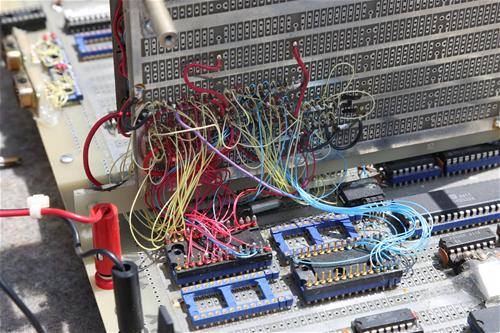
به طور کلی اولین نمونه بسیار کمتر از آمیگا ۱۰۰۰ نهایی به نظر میرسید. این سیستم شامل چندین بورد بود که تراشههای سفارشی را شبیهسازی میکردند و با چند متر کابل سیمکشی میشدند. نمونه اولیه تراشه اگنس به تنهایی ۲۴ بورد داشت که هر کدام تا ۲۵۰ تراشه را شامل میشدند. پائولا و دنیز هم به فضای مشابهی نیاز داشتند، اگرچه در آن زمان هنوز نامهای دافنه و پورتیا را بر خود داشتند. هرچه بوردهای بیشتری به سیستم اضافه میشد، حفظ قابلیت اطمینان عملکردی دشوارتر میشد. تراشه اگنس را در مقاله اختصاصی آمیگااستور بررسی کنید.
یک پدیده معمولی در دره سیلیکون هم وجود داشت: جاسوسی صنعتی. همه شرکتها مراقب بودند اسرارشان را تا زمانی که حجاب برداشته شود برای خود نگه دارند. رقیبی که ویژگیهای سیستم رقیب را میدانست میتوانست آنها را کپی کند. جی که در آتاری کار کرده بود این مشکل را خوب میدانست. بنابراین شرکت آمیگا برای پرت کردن حواس رقبا از پروژه اصلی، شروع به طراحی تجهیزات جانبی برای کامپیوترها و کنسولهای موجود کرد — از جمله Joyboard. با این ترفند، آمیگا برای رقبا مثل یک تولیدکننده معمولی شخص ثالث به نظر میرسید که میخواهد با جویاستیکها کمی پول اضافه دربیاورد. امروزه باقیمانده ظریفی از «عصر جویاستیک» باقی مانده: مدیتیشن گورو.

نمایشگاه CES و دموی توپ
در بخشهای داخلی شرکت، شروع به توسعه مینبردی کردند که بتواند بوردهای جداگانه تراشههای سفارشی را در خود جای دهد و تراشههای اختصاصی به شکل یک تراشه واحد تولید شوند. بدین ترتیب اولین گام برداشته شد. جی ماینر این ساخته اولیه را همراه با برنامههای نمایشی به نمایشگاه تجاری CES در ژانویه ۱۹۸۴ برد. او ماشینش را در مقابل مخاطبان منتخبی از کارشناسان — کارمندان سونی، فیلیپس، هیولت پاکارد و اپل — به دور از هیاهوی معمول بازدیدکنندگان به نمایش گذاشت.
برای نشان دادن عملکرد بیشتر، کارمندان آمیگا نسخه نمایشی معروف Bouncing Ball را اجرا کردند. این نمایش توانست هر چیزی که کارشناسان قبلاً دیده بودند را تحت الشعاع قرار دهد. تماشاگران، افراد عادی نبودند — متخصصان شناختهشده در رشته خودشان بودند و فقط میتوانستند با حیرت صحنه را تماشا کنند! دمو یک توپ در حال پرتاب را نشان میداد که صدای ضربه را با نمونهبرداری شفاف و قابل شنیدن پخش میکرد. این صدا توسط باب پاراسئو ضبط شده بود — او توپ فومی را به درب گاراژ پرتاب کرد و با Apple II صدا را دیجیتالی کرد.

بدون شک جی ماینر چیزی منحصر به فرد خلق کرده بود و خودش هم میدانست! او در وهله اول نمیخواست با آمیگا نامی برای خودش دست و پا کند، اما منابع شرکت جوانش در حال اتمام بود و نیاز فوری به سرمایهگذاران جدید داشت. نمونه اولیه و عملکردش برای تزریق مالی عالی به نظر میرسید. اما با وجود تماشاگران شگفتزده در نمایشگاه، پیشنهاد مالی مناسبی ارائه نشد. شرکت آمیگا مجبور شد برای پرداخت حقوق ۲۰ کارمندش وام مسکن بگیرد. ماینر حتی خانه خودش را رهن بانک گذاشت تا بتواند هزینههای ماهانه را بپردازد.
بازی ترامیل و کمودور
جی ماینر به آتاری — کارفرمای قدیمیاش — روی آورد. شرکتی که حالا تحت رهبری جک ترامیل بود؛ مدیر زیرکی که اخیراً آتاری را خریده بود. ترامیل قبلاً مجبور شده بود کمودور را ترک کند — شرکتی که خودش تأسیس کرده بود — و خرید آتاری را فرصتی برای ایستادگی در برابر شرکت قدیمیاش میدید. ترامیل و شرکتش به جی وام ۵۰۰ هزار دلاری دادند، اما یک بند ضمیمه داشتند.
جک ترامیل به قابلیتهای کامپیوتر جدید آمیگا پی برده بود و میخواست آن را در شرکت خودش بگنجاند. در بند ضمیمه آمده بود: اگر هر دو شرکت بتوانند ظرف یک ماه در قراردادی که سرنوشت چیپست آمیگا را تعیین میکند به توافق برسند، آتاری پول مورد بحث را میدهد. اما اگر توافقی حاصل نشود، شرکت آمیگا موظف به بازپرداخت ۵۰۰ هزار دلار است. جی و کارکنانش میدانستند این توافق چه معنایی دارد. با این حال وضعیت مالی جایی برای مانور نمیگذاشت و آمیگا با شرایط ترامیل موافقت کرد.
در قراردادی که منعقد شد مقرر شد آتاری شرکت کوچک آمیگا را به ازای هر سهم یک دلار خریداری کند. آمیگا بلافاصله رد کرد، اما ترامیل میدانست به خاطر وام، شرکت روزی به سراغش خواهد آمد. او یک بازی روانی آغاز کرد: به جای افزایش مبلغ هر سهم، شروع به پیشنهاد کمتر کرد — ۸۵ سنت برای هر سهم! در آخرین لحظات که تیم ماینر خود را مجبور به پذیرش این قیمت میدید، کمودور از معامله آگاه شد و فهمید این فرصتی است که رهبر سابقاش — ترامیل — برای بازگشت به رقابت از آن استفاده خواهد کرد. بنابراین کمودور با پیشنهاد ۴/۲۵ دلار برای هر سهم، آتاری را شکست داد و شرکت آمیگا را با ۲۷ میلیون دلار تصاحب کرد.

اینجاست که باید اعتراف کنم — همیشه در ذهنم آرزو داشتم جی ماینر پیشنهاد جک ترامیل را میپذیرفت و به آتاری او میپیوست، ولو به قیمت از دست رفتن برخی منافع. ترکیب جی ماینر و جک ترامیل میتوانست سرنوشت خارقالعادهای برای آمیگا رقم بزند. اما ماینر — یا شاید شرایط و نیازهایش — انتخاب کرد منافع خودش را ارجح بداند. و به هر حال، ترکیب خارقالعادهای که میتوانست به وجود بیاید، با این انتخاب از دست رفت.
شاید ماینر به این دلیل که درگیر دعواهای آتاری و کمودور شده بود و مشکلات پزشکیاش هم روزبهروز جدیتر میشد، تصمیم گرفت خودش را از این نبردها کنار بکشد و به منافع و سلامتیاش فکر کند. اینها فقط حدسهای من است — اما وقتی به سرنوشت آمیگا نگاه میکنم، نمیتوانم فکر نکنم که اگر آن دو مرد — ماینر و ترامیل — کنار هم میماندند، تاریخ کامپیوتر چقدر متفاوت میشد.
جک ترامیل در افکار خودش بود، چون احساس میکرد شانس ارائه یک کامپیوتر جدید را از دست داده که مطمئناً میتوانست مشکلات بزرگی برای کمودور ایجاد کند. آمیگا مدت کوتاهی بعد از سیلیکون ولی به لوس گاتوس نقل مکان کرد. کمودور متوجه شد چیزی بیشتر از چیپستها به دست آورده: آنها توسعهدهندگان سختافزاری داشتند که میتوانستند پروژه آمیگا را ادامه دهند. البته مهندسان داخلی کمودور هم میتوانستند این کار را بکنند، اما تیم آمیگا قبلاً محکم به هم جوش خورده بود و یک رهبر داشت: جی ماینر. به همین دلیل جی و تیمش را تابع هیچ بخش قبلی نکردند و اجازه دادند مثل قبل کار کنند.
نفوذ کمودور
نفوذ مالک جدید به وضوح احساس میشد. اگرچه جی هنوز کنترل را در دست داشت، هیئت مدیره با تغییرات کوچکی شروع به درخواستهای جدید کرد. با یک چیز کوچک شروع شد: رئیس کمودور فکر کرد کیبورد را به داخل قاب فشار دهند تا فضای کمتری روی میز اشغال کند. از دید آنها یک چیز کوچک بود، اما این تغییر طراحی به تغییراتی در مینبرد نیاز داشت که انتشار را ۱۲ ماه عقب انداخت!
وقتی این کار انجام شد، کمودور اصرار داشت آمیگا به بیش از ۲۵۶ کیلوبایت حافظه نیاز ندارد — چون ذخیرهسازی در آن زمان هزینه زیادی داشت. با توجه به اینکه آمیگا قرار بود گرافیکهایی انجام دهد که به این فضا نیاز دارند، جی موافق نبود و درست هم فکر میکرد. او قبلاً یک بار این مشکل را حل کرده بود: زمانی که بازار بازیهای ویدیویی سقوط کرد، سرمایهگذاران میخواستند کنسول را با ۶۴ کیلوبایت به کامپیوتر تبدیل کنند. جی سخت مذاکره کرد و توانست آنها را متقاعد کند ۱۲۸ کیلوبایت حداقل است. ساختار را طوری تغییر داد که هر لحظه امکان تعویض چیپهای حافظه و ارتقای آمیگا به ۵۱۲ کیلوبایت وجود داشته باشد.
حالا دوباره با همین مشکل روبهرو شده بود. دیو نیدل راهحلی ارائه کرد که هر دو طرف را راضی کند: آمیگا ۱۰۰۰ یک پورت کارتریج داشت که برای قرار دادن ماژولها در نظر گرفته شده بود. او پیشنهاد داد این پورت را در جلو قرار دهند تا ارتقا آسان باشد. جی ماینر به شدت مخالف بود و چند روزی مرخصی گرفت. در این مدت دیو نیدل پیشنهادش را به هیئت مدیره فرستاد و آنها پذیرفتند. وقتی جی از تعطیلات برگشت، از این تصمیم مبهوت شد. تغییر محل کارتریج شش ماه دیگر به زمان پروژه اضافه کرد — و دردناکتر اینکه بعد از نهایی شدن کار مشخص شد قیمت RAM کاهش یافته و میشد نیاز اولیه را با هزینه کم برآورده کرد! هیئت مدیره حالا تشخیص داد آمیگا ۱۰۰۰ با ۲۵۶ کیلوبایت پتانسیل قابل توجهی را از دست میدهد، اما دیگر خیلی دیر شده بود.

اما دپارتمان نرمافزار زیاد تحت تأثیر این مشکلات قرار نگرفت. جی آزادی کاملی به RJ Mical داد و او توانست تمام رابط سیستم عامل آمیگا را تقریباً به تنهایی توسعه دهد. آمیگا آماده بود! جی و تیمش مجبور بودند با برخی ناخوشایندیها زندگی کنند — از نظر او این خیلی بهتر از آن بود که آتاری آمیگا را نابود کند. آمیگا ۱۰۰۰ اولین آمیگا بود.
تنها مسئله حلنشده مقدار رم بود که یک عامل محدودکننده به شمار میآمد. هرچند بخش نرمافزار هم به حامیان ۵۱۲ کیلوبایت پیوست، هیئت مدیره نظرشان را عوض نکرد. آمیگا از روزی که عرضه شد یک کامپیوتر رویایی شد. مراسم افتتاحیه در نیویورک با حضور دبی هریس — از گروه بلوندی — و اندی وارهول، عملکرد سیستم آمیگا را به نمایش گذاشت.

برای تیم قدیمی آمیگا واضح بود حالا زمان حمایت مستقیم از فروشندگان و توسعهدهندگان است تا تجهیزات جانبی بیشتری توسعه دهند. اما کمودور باز هم موافق نبود — آنها عادت داشتند خودشان برنامههای افزودنی مهم را توسعه دهند و بیشترین سود را ببرند. مدیریت هر گونه گسترش تیم اصلی را ممنوع کرد و حتی شروع به خارج کردن کارکنان از گروه کرد. جی سعی کرد مدیریت را متقاعد کند آمیگا ۱۰۰۰ پایان پروژه نیست و یک مدل توسعهیافته با شکافهای عمودی سیستم را حرفهایتر نشان میدهد. کمودور علاقهای نداشت — احتمالاً به دلیل فروش ضعیف آمیگا ۱۰۰۰.
آمیگا کامپیوتر گرانی بود و به اشتباه به بازار عرضه شد. بازار هدفش باید در بخش دستگاههای تخصصی ویدئویی تعریف میشد، اما کمودور میخواست آن را به عنوان یک کامپیوتر تجاری جدی بفروشد — قضاوت نادرست دیگر با توجه به تواناییهای گرافیکی و صوتی آمیگا! در کنار قضاوتهای نادرست کمودور، عدم همکاری مناسب توسعهدهندگان منجر به محدودیتهای بیشتر و بیشتر برای کامپیوترهای کمودور شد. دوران هیپیها تمام شده بود.
شکاف و جدایی
کمودور به زودی فهمید آمیگا در شکل فعلیاش شانسی در بازار ندارد و شروع به توسعه آمیگا در دو بخش کرد: یک ماشین ارزانقیمت و یک ماشین پیشرفته. جی ماینر از مسیری که به آمیگا ۲۰۰۰ منتهی میشد هیجانزده بود — بالاخره امکان تولید کامپیوتری بود که کاربر مطابق ایدههای خودش ارتقا دهد. این قابلیت قبلاً به Apple II کمک کرده بود موفق شود. جی همچنین یک پیکربندی خودکار برای اسلاتها ایجاد کرد که نیازی به ادغام از طریق فایلهای درایور نداشتند. مثل بسیاری از ایدههای قبلی، هیئت مدیره اصلاً از ایدهای که قیمت تولید را بالا میبرد راضی نبودند — در این مورد افزایش قیمت فقط ۵۰ سنت بود!
جی متحدی به نام گایگر داشت که رئیس بخش بود و با میانجیگری از ماینر و تیمش در برابر مدیریت محافظت میکرد. سازگاری با MS-DOS چیزی بود که گایگر وعده داده بود و نمیتوانست عمل کند. هر بار جی سؤال میکرد، اطمینان میداد میتواند قرار را نگه دارد. تاریخ نزدیک و نزدیکتر میشد و هیچ اتفاقی نمیافتاد. جی ماینر هرگز از طرفداران سازگاری MS-DOS نبود و بارها تأکید کرده بود آمیگا یک کامپیوتر کاملاً متفاوت است. او میخواست آمیگا بهتر باشد — نه شبیه ماشینی که جلویش میدید. آمیگا را یک کامپیوتر برتر میدید، صرفاً به دلیل سیستم عاملی که بسیار کاربرپسندتر از MS-DOS بود.
مشکل بزرگتر این بود که مرحله طولانی توسعه باعث شد انگیزه هجوم محصولات جانبی برای آمیگا از بین برود. آمیگا کامپیوتر خیلی گرانی بود، افراد کمی داشتندش و دستگاههای جانبی تبلیغ شده هم در دسترس نبودند. بسیاری از توسعهدهندگان با دیدن وضعیت موجود تجدید نظر کردند و ترجیح دادند به کامپیوترهای شخصی و اپل روی بیاورند — و این ضربه اول به رویای جی ماینر بود.
تولیدات در کمودور خیلی رنگارنگ شده بود و از توسعهدهندگان آمیگا خواستند به دفتر توسعه دیگری در ساحل شرقی نقل مکان کنند. آنها موافقت نکردند — که قابل درک بود، چون بیشتر تأسیسات تولید در کالیفرنیا بود و امکانات جدید دیجیتال به راحتی در دسترس قرار داشت. اما کمودور توجهی نکرد و کل تیم توسعه آمیگا را در لوس گاتوس منحل کرد. جی ماینر نمیتوانست باور کند چنین تیم هماهنگی از هم پاشیده شود. زادگاه آمیگا از دست رفته بود.
تبلیغات نادرست موفقیت آمیگا را متزلزل کرد. در عوض کامپیوترهای شخصی رهبری جهانی را به دست گرفتند. جی ماینر مثل پدری احساس میکرد که فرزندانش نمیتوانند راهی را که او انتظار داشت دنبال کنند. او همین احساس را نسبت به مدلهای آتاری که طراحی کرده بود داشت، اما آمیگا فرزند مورد علاقهاش بود.
با شروع تولید آمیگا ۵۰۰ و آمیگا ۲۰۰۰، جی تراشههای اضافی برای خط آمیگا توسعه داد که قرار بود قابلیتهای گستردهای فراهم کند. ایدههای اساسی در چیپست توسعهیافته گنجانده شد که قرار بود در آمیگا ۵۰۰ پلاس و آمیگا ۳۰۰۰ استفاده شود. اما ماینر به طور فزایندهای از اصول قراردادی و توسعهای در کمودور ناراضی بود. مدیریت و تصمیمگیریهایشان بیشتر و بیشتر از ایده اصلی ماینر فاصله میگرفت. جی موقعیت را تشخیص داد و فهمید کمودور به پیشنهادات موجه او پاسخ شایستهای نمیدهد. این شرکت او را از دست آتاری نجات داده بود، اما با گذشت زمان بیشتر شبیه شرکت اسبق ماینر رفتار میکرد. برای آنها فقط سود مهم بود، نه روح ماشین.

این نقطهای بود که ماینر شرکت را ترک کرد. در سال ۱۹۸۹ به Ventitrex — شرکت بیوتکنولوژی در سانیویل — نقل مکان کرد. آنجا روی دفیبریلاتور کار کرد؛ دستگاهی که میتوانست شوک الکتریکی بدهد و در پزشکی اورژانس استفاده میشود. این آخرین وسیلهای بود که جی ماینر ساخت. پس از آن، به دلیل از کار افتادن کلیههایش دیگر نتوانست به کارش ادامه دهد. تاریخچه آمیگا ۵۰۰ را در مقاله اختصاصی آمیگااستور بخوانید.
پزشکان پیوند کلیه را توصیه کردند. جویس بیرز — خواهرش — درنگ نکرد و کلیهای به برادرش اهدا کرد. عمل پیوند بلافاصله در سال ۱۹۹۰ انجام شد و به جی ماینر کمک کرد چهار سال دیگر زندگی کند.
پایان پدر آمیگا
او بارها به فرزندش آمیگا علاقه نشان میداد و در نمایشگاههای تجاری متعددی حاضر میشد و آشکارا و صادقانه نظرش را درباره جدیدترین محصولات اعلام میکرد. دیگر برایش سخت نبود، چون قراردادی نداشت و میتوانست کمی از عصبانیتش را تخلیه کند. مثلاً نصب هارد دیسک IDE در آمیگا ۴۰۰۰ را اشتباه بزرگی میدانست — حتی یک گام به عقب نسبت به SCSI که قبلاً در مدلهای آمیگا بود. با وجود همه چیز به این نوه هم افتخار میکرد و قصد خرید چنین کامپیوتری را داشت. چیزی که آزارش میداد ویژگیهای صدا بود که بهبود نیافته بودند — سالها در همان سطح فنی باقی مانده بودند.
همه کسانی که با جی ماینر ملاقات کردند از او به خوبی یاد میکردند و مطمئناً بسیاری از دنبالکنندگان آمیگا بودند که دوست داشتند با او دست بدهند. اما جی ماینر دیگر فرصتی برای آشنایی با این افراد نداشت. در ۳۰ ژوئن ۱۹۹۴ سرانجام کلیههایش از کار افتاد و پدر بزرگ آمیگای ۱۲۰۰ انقلابی در آرامگاه ابدیاش قرار گرفت.
تعداد کمی از توسعهدهندگان میتوانند به چنین درجه تاریخی در صحنه کامپیوتر دست یابند. شاید فقط استیو وزنیاک توانسته باشد به این جایگاه برسد.
«او همیشه در حال طراحی بود. او هرگز طراحی را متوقف نکرد.» — هارولد لی درباره جی ماینر
#جی_ماینر #JayMiner #پدر_آمیگا #AmigaFather #آمیگا #Amiga #آتاری۲۶۰۰ #Atari2600 #تراشه_TIA #TIA_Chip #تراشه_ANTIC #ANTIC_Chip #جک_ترامیل #JackTramiel #کمودور #Commodore #HiToro #Lorraine #BouncingBall #آمیگا۱۰۰۰ #Amiga1000 #آمیگا۵۰۰ #Amiga500 #آمیگا۲۰۰۰ #Amiga2000 #Blitter #موتورولا۶۸۰۰۰ #Motorola68000 #میچی #Mitchie #طراح_تراشه #ChipDesigner #سخت_افزار #Hardware #رتروکامپیوتر #RetroComputing #نوستالژی #Nostalgia #کامپیوترهای_شگفت_انگیز #AmazingComputers #تاریخ_فناوری #TechHistory #مهندس_الکترونیک #ElectricalEngineer #سیلیکون_ولی #SiliconValley #کامپیوتر_تاریخ #ComputerHistory #اسطوره_سخت_افزار #HardwareLegend #هارولد_لی #HaroldLee #کارل_ساسنراث #CarlSassenrath #تراشه_اگنس #AgnusChip #آمیگا۱۲۰۰ #Amiga1200 #رتروگیمینگ #RetroGaming
If there is one person who is the creator of a complete computer system, it is surely Jay Miner — the father of the Amiga. He was born in 1932 in Prescott, Arizona, and soon moved with his family to California. He studied at the University of Berkeley, but before that served in the United States Coast Guard. There his talent in electronics was recognized and he was transferred to an electronics school in Groton, Connecticut. In this environment, Jay met his future wife, Caroline Poplawski, and married her shortly after.
Three years of service passed relatively quickly thanks to the marriage, and Caroline returned to California with her husband to begin their studies. In 1959, Jay successfully completed his bachelor's degree in electrical engineering and computer science. This field of study allowed him to find suitable jobs at numerous companies in the 1960s. But alongside corporate employment, he also tried his luck with his own startups. Among other things, he designed and produced a remote-controlled heart pacemaker.
Miner had health problems. His kidney function was impaired, and Jay spent a lot of time with dialysis machines. However, this problem didn't seem to stop him. In the following years, he designed one of the first digital voltmeters and calculators. His knowledge was ahead of his time.
Atari and the TIA Chip
Harold M. Lee recognized this potential and invited Jay Miner to Atari, where he was immediately given a permanent position. The first project was the Television Interface Adapter — TIA for short — which would form the cornerstone of the Atari VCS 2600. Atari had already grown rich from the first Pong machines and had been selling home versions of its game machines for some time. The market seemed saturated, and the logical step was developing a model that let users swap games and always experience new programs.
Atari's development department had made no progress, and their only hope was Jay Miner. Until then, Atari specialists had only managed to build a board full of components for television image production, but this primitive method couldn't be used in the new device. Jay solved the problem by combining all functions into a single chip he called TIA. With his help and a short debugging period, the problem was solved, and Atari brought the VCS 2600 to market — an incredible success that announced the beginning of the modern computer game industry. We covered the Atari 2600 in Chapter One.
A common story had it that Jay never worked alone and always had his closest colleague by his side: Mitchie. A Cockapoo dog who, like his partner, had his name tag on the door. This may be the first historical reference to a non-human computer developer, because Mitchie had decision-making authority! If Jay didn't know how to develop a project, he would show the plans to Mitchie. If the dog growled at one of the drafts, it went straight to the trash. The dog was the last resort!
The joint development team then worked on advanced TIA designs later used in the company's 8-bit computers. Jay designed the ANTIC chip — Alphanumeric Television Interface Controller — patented in 1981. ANTIC mastered 14 different modes for text and graphics display and helped the MOS 6502 processor with data processing. In the broadest sense, ANTIC can be described as an early graphics processor.
Miner's preliminary work also led to the CTIA design, which could send processed graphics and text to a monitor. ANTIC remained in all of Atari's 8-bit models until 1986 — probably indicating its excellent design that needed no changes. It should be noted that Jay put his designs on paper by hand and finished them in a way only he could truly understand. Processing and later modifications by others were barely possible.
Leaving Atari
Jay Miner was not very satisfied. He had become interested in the new Motorola 68000 processors that worked on pure 16-bit architecture. Jay asked Atari if he could develop a computer based on this chip. Atari was not enthusiastic. The Atari 800 development had imposed enormous costs on the company, and they saw no point in a computer whose processor cost $100. RAM costs would add to that — the 68000 needed twice the memory, which doubled the expense.
This unreasonable management approach — blind to the signs of the times — deeply disappointed Miner, and he quickly cut ties with Atari in 1982. Instead, he signed with a heart pacemaker company and continued developing his 16-bit concept, though mostly in details, since the main concept was already fully developed.
Several years earlier, in 1980, Larry Kaplan had also decided to think about his future at Atari. He and several other developers were dissatisfied with their pay and had asked the board for raises — which was refused even though Atari was earning millions from its games. Like Miner, Kaplan left the company and, along with programmers who had left Atari, founded Activision.
After two years, Kaplan contacted his old colleague Jay Miner in 1982 and complained that Activision had also not met his expectations. Kaplan wanted to start a new company and asked Miner if he knew the right person to help launch it. Jay arranged a meeting between Kaplan and the head of his company at Xymos. This meeting helped Kaplan complete the necessary launch plan. Jay also introduced Kaplan to investors interested in bringing a video game console to market — the video game market had not yet peaked or crashed overnight. In exchange for starting the business, Xymos would produce the system's chips.
The Birth of Amiga
Based on Jay's idea, the console should be able to become a real computer whenever the user wanted. Kaplan would develop the appropriate software while Jay was responsible for hardware. Kaplan liked the computer expansion idea, but they didn't tell investors about this option — probably because computers simply weren't in mass-market demand at the time.
Eventually, with management's decision, Jay Miner moved to Santa Clara to realize his computer project. He had clear demands: monthly salary, stock package, and his personal assistant Mitchie. The dog was given full access to company premises. But there was a clause stating that if employees felt bothered, the dog's access could be revoked at any time — though this never happened because Mitchie was very popular among staff. This point was very important to Jay; he needed Mitchie by his side to feel comfortable at work. It calmed him and let him focus completely — which was crucial for him.
Before the first project began, Kaplan left. As a result, Jay Miner became vice president of a company that had previously existed only on paper. Project development was now entirely in his hands. They needed a name and eventually agreed on Hi-Toro. The old office in Santa Clara was closed, and Hi-Toro moved to Silicon Valley.
The new company immediately announced it wanted to expand its workforce, but in the early days applicants could be counted on one hand. This lack of interest certainly wasn't because Hi-Toro was seen as a startup — there were plenty of startups in Silicon Valley. It was because of the name, which resembled a lawn mower company. They had to find a better name. Consulting with investors, the name was changed to Amiga Inc. Jay Miner initially showed no enthusiasm, but soon changed his mind. He believed a Spanish word gave potential buyers the wrong impression — but later admitted he was wrong.
Over the next months, development of the Lorraine prototype — named after the company president's wife — continued. Jay Miner looked for people who could put their heart and soul behind this project, and in the work environment, people's strange preferences and traits were accepted. Some walked around in purple tights and encountered people wearing fluffy bunny slippers. Being eccentric was very important and accepted at Amiga, and it contributed to the family atmosphere.
Dale Luck — the company's graphics specialist — looked nothing like a computer expert and more like a hippie from the late 1960s. For Jay, the only thing that mattered was the result. He let his employees stay calm even in the worst times. As long as work got done, they could do it however they wanted. This sometimes meant employees disappeared for days and worked from home instead.
The path of the new system was still unclear. RJ Mical — a software and hardware developer — still argued for a low-cost model to be considered a serious competitor to the Atari VCS 2600. With this view, he aligned with the investors who had provided money for exactly such a product. Dale Luck or Carl Sassenrath — the father of AmigaOS — had a different opinion and wanted a machine equipped with the best development options. This fundamental debate remained unresolved until the Amiga was released.
There's no doubt all employees were motivated, knowing they were working on the most exciting computer ever built. The software development department showed great energy and had completed its specifications before the hardware developers had even created the first graphics chip. But there was still no operating system, and Carl Sassenrath was given the opportunity to develop it. He envisioned a true multitasking system, from which "Exec" emerged.
Blitter and Graphics Magic
It was still unclear what the Amiga would look like. Jay Miner wanted to build a computer resembling the future Amiga 2000 with many expansion options for users. As the graphics capabilities of the new machine advanced, Miner began investigating the tasks of a Blitter. The word Blitter stands for Block Image Transferer. Essentially, Blitter is designed to quickly move or modify data in RAM without using the main processor. This meant animated graphics could be written in memory — something possible on other computers like the Commodore 64 only through hardware sprites.
Jay Miner contacted his old friend "Ron Nicholson" who was skilled in this work. They quickly reached an agreement. Through several brainstorms, they arrived at additional functions that the blitter and other chips should provide. For example, Dale Luck requested a line-drawing feature that hadn't been provided before — this would let the Amiga calculate lines between two pixels very quickly. But Jay didn't have time for this request; the Amiga was due to be publicly shown for the first time at the upcoming CES in two weeks. Dale Luck didn't give up and even named the registers needed for the job. Jay Miner dropped his resistance and implemented Dale's line-drawing design before CES.
The hardware department needed a total of two years to design the Amiga's custom chips, while the software department worked on the Amiga libraries and basic functions. They were doing the nearly impossible: building an operating system for a computer that was fundamentally different from all previous systems — and didn't even physically exist yet!
Overall, the first prototype looked far less impressive than the final Amiga 1000 they had in mind. The system consisted of several boards simulating the custom chips, wired together with meters of cable. The Agnus prototype alone consisted of 24 boards, each containing up to 250 chips. Paula and Denise also needed similar space, though at the time they still bore the names Daphne and Portia. The more boards added to the system, the harder it was to maintain functional reliability. Read about the Agnus chip in the exclusive AmigaStore article.
There was also a typical Silicon Valley phenomenon: industrial espionage. All companies took care to keep their secrets until the veil was lifted. A competitor who knew a rival system's features could copy and implement them. Jay, having worked at Atari, knew this problem well. So Amiga began designing peripherals for existing computers and consoles — including the Joyboard — to distract competitors from the main project. With this trick, Amiga appeared to competitors as an ordinary third-party manufacturer trying to make a little extra money with joysticks. Today, a subtle remnant of the "joystick era" remains: Guru Meditation.
CES and the Bouncing Ball Demo
Internally, they began developing a motherboard that could house the separate custom chip boards and produce the dedicated chips as a single chip. Thus the first step was completed. Jay Miner took this early creation along with demo programs to the CES trade show in January 1984. He showed his machine to a select audience of experts — employees of Sony, Philips, Hewlett-Packard, and Apple — away from the usual visitor commotion.
To demonstrate more capability, the Amiga staff ran the famous Bouncing Ball demo. The show overshadowed everything the selected audience and experts had previously seen. These first viewers were not ordinary people — they were recognized specialists in their fields, and they could only watch in amazement! The demo depicted a bouncing ball with clearly audible sampled impact sound. The sound was recorded by Bob Pariseau, who threw a foam ball at a garage door and digitized the sound using an Apple II.
Without doubt, Jay Miner had created something unique, and he knew it! He didn't initially want to make a name for himself with the Amiga, but his young company's resources were running out and they urgently needed new investors. The prototype and its performance seemed perfect for financial injection. But despite the amazed audience at the show, no suitable financial offer came. Amiga had to take out mortgages to pay its 20 employees. Miner even mortgaged his own house to cover monthly expenses.
The Tramiel and Commodore Game
Jay Miner turned to Atari — his old employer — now led by Jack Tramiel, the shrewd manager who had recently bought Atari. Tramiel had previously been forced to leave Commodore — the company he himself had founded — and saw buying Atari as an opportunity to stand against his old company. Tramiel and his company gave Jay a $500,000 loan, but with an attached clause.
Jack Tramiel had recognized the capabilities of the new Amiga computer and wanted to incorporate it into his company. The clause stated: if both companies could come together within a month in a contract determining the fate of the Amiga chipset, Atari would provide the money in question. But if no agreement was reached, Amiga was contractually obligated to repay the $500,000. Jay and his staff knew what this agreement meant. However, the uncertain financial situation left no room for maneuvering, and Amiga agreed to Tramiel's terms.
The contract that followed stipulated Atari would buy the small company for one dollar per share. Amiga immediately rejected this, but Tramiel knew the company would come to him eventually because of the loan. He began a psychological game: instead of increasing the per-share price, he started offering less — 85 cents per share! At the last moment when Miner's team felt forced to accept this price, Commodore learned of the deal and realized this was an opportunity their former leader — Tramiel — would use to return to competition. So Commodore, offering $4.25 per share, beat Atari and acquired Amiga for $27 million.
Here I must confess — I always wished Jay Miner had accepted Jack Tramiel's offer and joined his Atari, even at the cost of losing some benefits. The combination of Jay Miner and Jack Tramiel could have created an extraordinary destiny for the Amiga. But Miner — or perhaps his circumstances and needs — chose to prioritize his own interests. And in any case, the extraordinary combination that could have been was lost with this choice.
Perhaps Miner, caught up in the Atari-Commodore conflicts with his medical problems growing more serious day by day, decided to step back from these battles and think about his interests and health. These are just my speculations — but when I look at the Amiga's fate, I can't help thinking how different computer history would have been if those two men — Miner and Tramiel — had stayed together.
Jack Tramiel was lost in thought, feeling he had missed the chance to offer a new computer that could surely have created big problems for Commodore. Amiga moved from Silicon Valley to Los Gatos shortly after. Commodore realized they had acquired more than chipsets: they had the hardware developers who could continue the Amiga project. Commodore's internal engineers could have done it, but the Amiga team was already tightly bonded and had a leader: Jay Miner. That's why Jay and his team weren't made subordinate to any previous department — they were allowed to work as before.
Commodore's Influence
The new owner's influence was clearly felt. Although Jay still had control, the board began making new requests with small changes. It started with something small: Commodore's president thought about pushing the keyboard into the case to take up less desk space. From their perspective, it was a small thing, but this design change required motherboard modifications that pushed release back by 12 months!
When that was done, Commodore insisted the Amiga didn't need more than 256KB of memory — because storage was very expensive at the time. Given that the Amiga was meant to do graphics requiring that space, Jay disagreed — and he was right. He had solved this problem once before: when the video game market crashed, investors wanted to convert the console to a computer with only 64KB. Jay negotiated hard and convinced them that 128KB was the minimum. He restructured things so memory chips could be swapped and the Amiga upgraded to 512KB at any time.
Now he faced the same problem again. Dave Needle offered a solution satisfying both sides: the Amiga 1000 had a cartridge port designed for modules. He proposed placing it in front for easy upgrading. Jay Miner strongly opposed it and took a few days off. During that time, Dave Needle sent his proposal to the board and they accepted. When Jay returned from vacation, he was stunned. Moving the cartridge location added another six months to the project — and more painfully, after finalization it turned out RAM prices had dropped and the initial requirement could have been met at low cost! The board now realized the Amiga 1000 with 256KB was losing significant potential, but it was too late.
But the software department wasn't much affected by these problems. Jay gave RJ Mical complete freedom, and he was able to develop almost the entire Amiga OS interface by himself. The Amiga was ready! Jay and his team had to live with some unpleasantness — from his perspective, far better than Atari destroying the Amiga. The Amiga 1000 was the first Amiga.
The only unresolved issue was RAM size, which remained a limiting factor. Although the software department also joined the 512KB supporters, the board didn't change its mind. From the day it launched, the Amiga became a dream computer. The opening presentation in New York, featuring Debbie Harry — of Blondie — and Andy Warhol, showcased the Amiga system's performance.
For the old Amiga team, it was clear the time had come to directly support vendors and developers so they could develop more peripherals. But Commodore disagreed again — they were used to developing important add-ons themselves and taking the biggest profits. Management banned any expansion of the core team and even began moving staff out of the group. Jay tried to convince management that the Amiga 1000 wasn't the end of the project and that an expanded model with vertical slots would make the system much more professional. Commodore had no interest — probably due to weak Amiga 1000 sales.
The Amiga was an expensive computer, and it was marketed incorrectly. Its target market should have been the specialized video device sector, but Commodore wanted to sell it as a serious business computer — another misjudgment given the Amiga's graphics capabilities! (Not to mention its sound features.) Alongside Commodore's misjudgments, the lack of proper developer cooperation led to more and more restrictions on Commodore computers. The hippie era was over.
Divergence and Separation
Commodore soon realized the Amiga in its current form had no chance in the market and began developing Amiga in two directions: a cheap machine and an advanced machine. Jay Miner was excited about the path leading to the Amiga 2000 — finally, it was possible to produce a computer the user could upgrade according to their own ideas. This capability had already helped the Apple II succeed. Jay also created an auto-configuration for slots that needed no driver file integration. Like many previous development ideas, the board wasn't happy with anything raising production costs — in this case, the increase was only 50 cents!
Jay had an ally named Geiger who was department head and through mediation protected Miner and his team from management. MS-DOS compatibility was something Geiger had promised and couldn't deliver. Whenever Jay asked about it, he assured him the appointment could be kept. The date drew closer and closer and nothing happened. Jay Miner was never a fan of MS-DOS compatibility and had repeatedly emphasized the Amiga was a completely different computer. He wanted the Amiga to be better — not like the machine he saw in front of him. He saw the Amiga as a superior computer, simply because of an operating system far more user-friendly than MS-DOS.
The bigger problem was that the long development phase killed the motivation for peripheral products for the Amiga. The Amiga was a very expensive computer, few people had it, and the advertised peripherals weren't available. Many developers reconsidered and preferred to switch to PCs and Apple — landing the first blow to Jay Miner's dream.
Production at Commodore had become very colorful, and they asked the Amiga developers to move to another development office on the East Coast. They refused — understandably, since most production facilities were in California where new digital capabilities were readily available and the latest technologies could be used immediately. But Commodore paid no attention and permanently dissolved the entire Amiga development team in Los Gatos. Jay Miner couldn't believe such a coordinated team would be broken up. The birthplace of the Amiga was lost.
Poor marketing destabilized the Amiga's success. Instead, personal computers took global leadership. Jay Miner felt like a father whose children couldn't follow the path he expected. He had the same feelings about the Atari models he had designed, but the Amiga was his favorite child.
With production of the Amiga 500 and Amiga 2000 beginning, Jay developed additional chips for the Amiga line, meant to provide extensive capabilities. The basic ideas were incorporated into the enhanced chipset planned for the Amiga 500 Plus and Amiga 3000. But Miner became increasingly dissatisfied with the contractual and development principles at Commodore. Management and their decisions drifted further and further from Miner's original idea. Jay recognized the situation and understood Commodore wasn't responding properly to his justified proposals. This company had saved him from Atari, but over time it behaved more and more like Miner's former employer. For them, only profit mattered — not the soul of the machine.
This was the point where Miner left the company. In 1989, he moved to Ventitrex, a biotechnology company in Sunnyvale. There he worked on a defibrillator — a device that could deliver electric shocks and is used in emergency medicine. This was the last device Jay Miner built. After that, as his kidneys began failing, he could no longer continue working. Read about the Amiga 500 history in the exclusive AmigaStore article.
Doctors recommended a kidney transplant. Joyce Beers — his sister — didn't hesitate and donated a kidney to her brother. The transplant was performed immediately in 1990 and helped Jay Miner live four more years.
The End of the Father of Amiga
He repeatedly showed affection for his child, the Amiga, and attended numerous trade shows, openly and honestly expressing his opinions about the latest products. It was no longer difficult for him, since he had no contract and could vent some of his anger. For example, he considered installing IDE hard drives in the Amiga 4000 a big mistake — even a step backward compared to the SCSI type previously found in Amiga models. Despite everything, he was proud of this grandchild too and planned to buy such a computer. What bothered him was that the sound features hadn't improved — remaining at the same technical level for years.
Everyone who met Jay Miner remembered him well, and surely there were many Amiga followers who would have loved to shake his hand. But Jay Miner no longer had the chance to meet these people. On June 30, 1994, his kidneys finally failed, and the great father of the revolutionary Amiga 1200 was laid to his eternal rest.
Few developers can achieve such a historical position in the computer scene. Perhaps only Steve Wozniak has reached this level.
"He was always designing. He never stopped designing." — Harold Lee about Jay Miner
▚ Sources and Related Links
#JayMiner #AmigaFather #Amiga #Atari2600 #TIA_Chip #ANTIC_Chip #JackTramiel #Commodore #HiToro #Lorraine #BouncingBall #Amiga1000 #Amiga500 #Amiga2000 #Blitter #Motorola68000 #Mitchie #ChipDesigner #Hardware #RetroComputing #Nostalgia #AmazingComputers #TechHistory #ElectricalEngineer #SiliconValley #ComputerHistory #HardwareLegend #HaroldLee #CarlSassenrath #AgnusChip #Amiga1200 #RetroGaming #VintageComputing