کامپیوترهای شگفتانگیز دهه ۱۹۸۰
بخش اول: آتاری ۲۶۰۰
ما بچههای دهه پنجاه بودیم. نسلی که با کتابهای جلد مقوایی بزرگ شد، با مجلات هفتگی که عکسهای سیاه و سفید داشتند، با رادیو و تلویزیونهای دو کاناله، و با ویدئوهای آنالوگ که از همسایه قرض میگرفتیم و با دقت ازشان نگهداری میکردیم. ما نسلی بودیم که اول با کاغذ و جوهر آشنا شدیم، بعد با نوار مغناطیسی، و در نهایت با پیکسلهای دیجیتال.
در همین دوران گذار بود که آتاری ۲۶۰۰ سر و کلهاش پیدا شد. نه کامپیوتر بود، نه ویدئو، نه چیز دیگری که تا آن روز دیده بودیم. یک جعبه سیاه و نقرهای با دو جویاستیک و چند دکمه که وعده میداد میشود تصویر تلویزیون را کنترل کرد. برای ما که تا آن روز فقط تماشاگر تلویزیون بودیم، این یک انقلاب بود.

اولین بازیها؛ سادهترین دنیاها
پونگ اولین تجربه بسیاری از ما بود. دو خط سفید، یک نقطه متحرک، و صدای «پیک» که هر بار توپ به دیواره میخورد. همین. اما برای ما که با اسباببازیهای مکانیکی و بازیهای صفحهای بزرگ شده بودیم، همین سادگیِ الکترونیکی خودش یک معجزه بود. برای اولین بار میتوانستیم چیزی روی صفحه تلویزیون را کنترل کنیم؛ نه با پیچاندن آنتن، نه با تعویض کانال، بلکه با دستان خودمان.
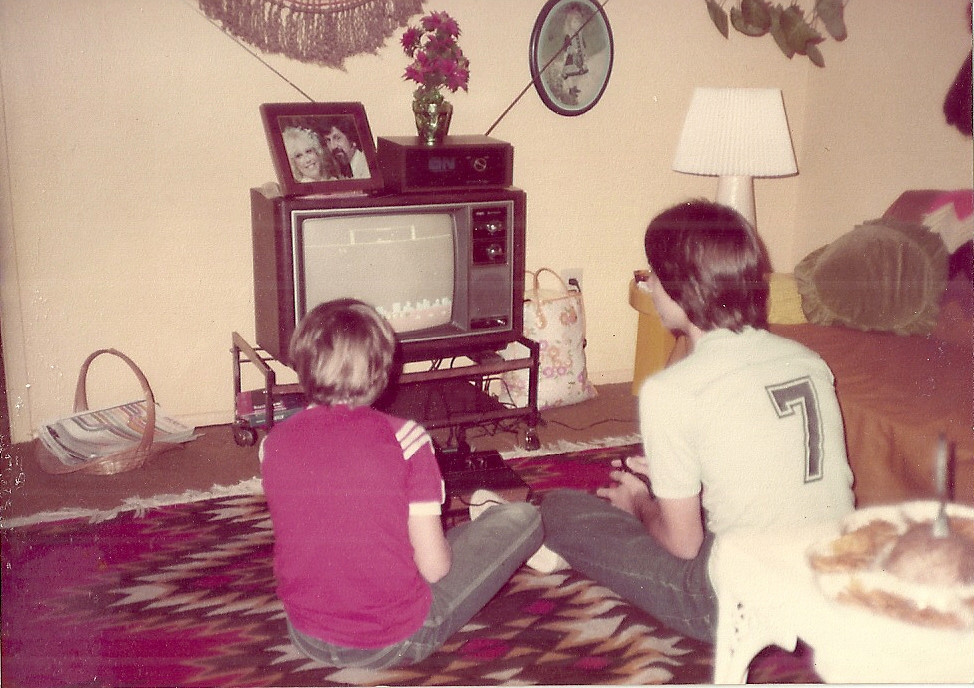
بازیهای آتاری ساده بودند، اما همین سادگی باعث میشد خانواده دور هم جمع شوند. پدر، مادر، خواهر، برادر — همه پشت تلویزیون مینشستند و نوبتی بازی میکردند. آتاری نه یک وسیله شخصی، که یک تجربه جمعی بود. چیزی که این روزها با کنسولهای پیشرفته و بازیهای آنلاین تا حد زیادی از دست رفته است.

کارتریجها و اقتصاد بازی
کارتریجهای آتاری برای یک خانواده معمولی گران بودند. خیلی گران. این یعنی خرید هر کارتریج جدید یک تصمیم اقتصادی مهم بود که ماهها قبل دربارهاش صحبت میشد. بچهها نمرههای خوب میگرفتند تا شاید کارتریج جدیدی به عنوان جایزه بگیرند. و وقتی کارتریج جدید میرسید، یک جشن واقعی برپا میشد.
فروشگاههای کرایه بازی هم به همین دلیل رونق گرفته بودند. میرفتی، کارتریجی را با قیمت روزانه کرایه میکردی، و یک روز کامل فرصت داشتی تا تمامش کنی. این محدودیت زمانی، خودش یک هیجان خاص داشت. شب بیدار میماندی، بازی میکردی، و صبح روز بعد با اکراه کارتریج را پس میدادی.
فوت کردن کارتریج هم یک رسم بود. مثل نوار کاستهای موسیقی، کارتریجهای آتاری هم گاهی درست کار نمیکردند و نیاز به فوت داشتند. این حرکت ساده، به بخشی از آیین بازیهای کارتریجی تبدیل شده بود.

بازیهایی که در خاطرهها ماندند
بعضی از بازیها آنقدر خوب بودند که نامشان هنوز هم در خاطرهها زنده است. «تارزان» که اسم واقعیاش Pitfall بود، با آن شخصیت کوچکش که باید از روی تمساحها و مردابها میپرید. «مسابقه اتومبیلرانی» که ساعتها ما را پشت فرمان مجازی نگه میداشت. «ریور راید» که بین بچههای اون موقع به «بازی هواپیمایی» معروف بود و هنوز هم یکی از بهترین شوترهای تمام دوران است.
این بازیها گرافیک سادهای داشتند، اما گیمپلیشان خالص و اعتیادآور بود. چیزی که صنعت بازیسازی امروز با همه پیشرفتهایش، گاهی فراموش میکند: بازی باید سرگرمکننده باشد، نه فقط زیبا.

از آنالوگ به دیجیتال
برای نسل ما، آتاری ۲۶۰۰ فقط یک کنسول بازی نبود؛ یک پل بود. پلی بین دنیای آنالوگ و دنیای دیجیتال. ما با کتاب و مجله شروع کرده بودیم، با ویدئوهای آنالوگ ادامه داده بودیم، و حالا با آتاری داشتیم قدم به دنیایی میگذاشتیم که در آن، تصویر تلویزیون قابل کنترل بود.
این تجربه گذار، چیزهایی به ما یاد داد که نسلهای بعدی هرگز نفهمیدند. ما قدر هر پیکسل را میدانستیم چون میدانستیم قبل از آن، هیچ پیکسلی وجود نداشت. ما قدر هر بازی را میدانستیم چون میدانستیم برای خریدش چقدر صبر و انتظار لازم بود. و ما قدر بازیهای گروهی را میدانستیم چون میدانستیم شادی واقعی وقتی است که کنار هم باشیم.
میراث یک نسل
امروز که به گذشته نگاه میکنم، میبینم آتاری ۲۶۰۰ برای ما فقط یک وسیله بازی نبود. این دستگاه به ما یاد داد که میشود با تکنولوژی تعامل کرد، میشود تصویر را کنترل کرد، و میشود در دنیایی که تا دیروز فقط تماشایش میکردیم، نقش فعال داشت.
نسل ما که با آتاری شروع کرد، چند سال بعد با کامپیوترهای خانگی مثل اسپکتروم و کمودور آشنا شد. و از آن نسل، برنامهنویسان، مهندسان، و سازندگان دنیای دیجیتال امروز بیرون آمدند. آتاری جرقه اول بود؛ جرقهای که خیلی از ما را به این دنیا علاقهمند کرد.
آتاری ۲۶۰۰ دیگر در خانهها نیست. جایش را کنسولهای پیشرفته و بازیهای آنلاین گرفتهاند. اما برای ما که آن سالها را زندگی کردیم، این جعبه سیاه و نقرهای همیشه یک جایگاه ویژه دارد. جایگاه یک معلم، یک دوست، و یک دروازه به دنیایی که حالا جزئی از زندگی روزمرهمان شده است.

#آتاری۲۶۰۰ #Atari2600 #پونگ #Pong #نسل_دهه_پنجاه #خاطرات_دهه_شصت #بازیهای_کارتریجی #CartridgeGames #ویدئوی_آنالوگ #AnalogVideo #رتروگیمینگ #RetroGaming #کامپیوترهای_شگفت_انگیز #AmazingComputers #نوستالژی #Nostalgia #تاریخ_بازی #GameHistory #کنسول_کلاسیک #ClassicConsole #بازیهای_کلاسیک #ClassicGames #دهه_۱۹۸۰ #1980s #کامپیوتر_خانگی #HomeComputer #خاطرات_کودکی #ChildhoodMemories #فروشگاه_کرایه_بازی #GameRentalShop #آمیگا #Amiga #کمودور #Commodore #اسپکتروم #Spectrum
The Amazing Computers of the 1980s
Chapter 1: Atari 2600
We were children of the 1970s. A generation that grew up with hardcover books, weekly magazines with black-and-white photos, radios and two-channel televisions, and analog videos borrowed from neighbors and handled with care. We were a generation that first met paper and ink, then magnetic tape, and finally digital pixels.
It was during this transition era that the Atari 2600 appeared. It wasn't a computer, wasn't a video, wasn't anything we had seen before. A black and silver box with two joysticks and a few buttons that promised control over the television image. For us who had only been TV watchers until then, this was a revolution.
The First Games; The Simplest Worlds
Pong was the first experience for many of us. Two white lines, a moving dot, and a "pik" sound each time the ball hit the wall. That's it. But for us who had grown up with mechanical toys and board games, this electronic simplicity was itself a miracle. For the first time, we could control something on the TV screen; not by adjusting the antenna, not by changing channels, but with our own hands.
Atari games were simple, but that simplicity brought families together. Father, mother, sister, brother — everyone sat around the TV and took turns playing. The Atari wasn't a personal device; it was a collective experience. Something that has largely disappeared with today's advanced consoles and online games.
Cartridges and the Economy of Gaming
Atari cartridges were expensive for an ordinary family. Very expensive. This meant buying each new cartridge was an important economic decision discussed months in advance. Children got good grades hoping for a new cartridge as a reward. And when a new cartridge arrived, a real celebration took place.
Game rental shops thrived for this reason. You'd go, rent a cartridge at a daily rate, and have one full day to finish it. This time limit had its own special excitement. You'd stay up at night, play, and return the cartridge reluctantly the next morning.
Blowing on cartridges was also a ritual. Like music cassettes, Atari cartridges sometimes didn't work properly and needed a blow. This simple act became part of cartridge gaming culture.
Games That Lived in Memories
Some games were so good their names still live in memories. "Tarzan," whose real name was Pitfall, with its little character jumping over crocodiles and swamps. "Racing," which kept us behind a virtual steering wheel for hours. "River Raid," known among Iranian kids as the "airplane game," still one of the best shooters of all time.
These games had simple graphics, but their gameplay was pure and addictive. Something the game industry today, with all its advancements, sometimes forgets: a game should be fun, not just beautiful.
From Analog to Digital
For our generation, the Atari 2600 wasn't just a game console; it was a bridge. A bridge between the analog world and the digital world. We had started with books and magazines, continued with analog videos, and now with the Atari, we were stepping into a world where the TV image could be controlled.
This transition experience taught us things later generations never understood. We appreciated every pixel because we knew that before, there were no pixels. We appreciated every game because we knew how much patience and waiting was required to buy one. And we appreciated group games because we knew real joy comes from being together.
The Legacy of a Generation
Looking back today, I see the Atari 2600 wasn't just a gaming device for us. It taught us that we could interact with technology, control the image, and play an active role in a world we had only watched until yesterday.
Our generation, which started with Atari, met home computers like the Spectrum and Commodore a few years later. And from that generation came the programmers, engineers, and builders of today's digital world. Atari was the first spark; a spark that got many of us interested in this world.
The Atari 2600 is no longer in homes. Advanced consoles and online games have taken its place. But for those of us who lived those years, this black and silver box always holds a special place. The place of a teacher, a friend, and a gateway to the world that has now become part of our daily lives.
▚ Sources and Related Links
#Atari2600 #Pong #70sGeneration #80sMemories #CartridgeGames #AnalogVideo #RetroGaming #AmazingComputers #Nostalgia #GameHistory #ClassicConsole #ClassicGames #1980s #HomeComputer #ChildhoodMemories #GameRentalShop #Amiga #Commodore #Spectrum