تاریخچه کمودور ۶۴؛ پرفروشترین کامپیوتر خانگی تاریخ
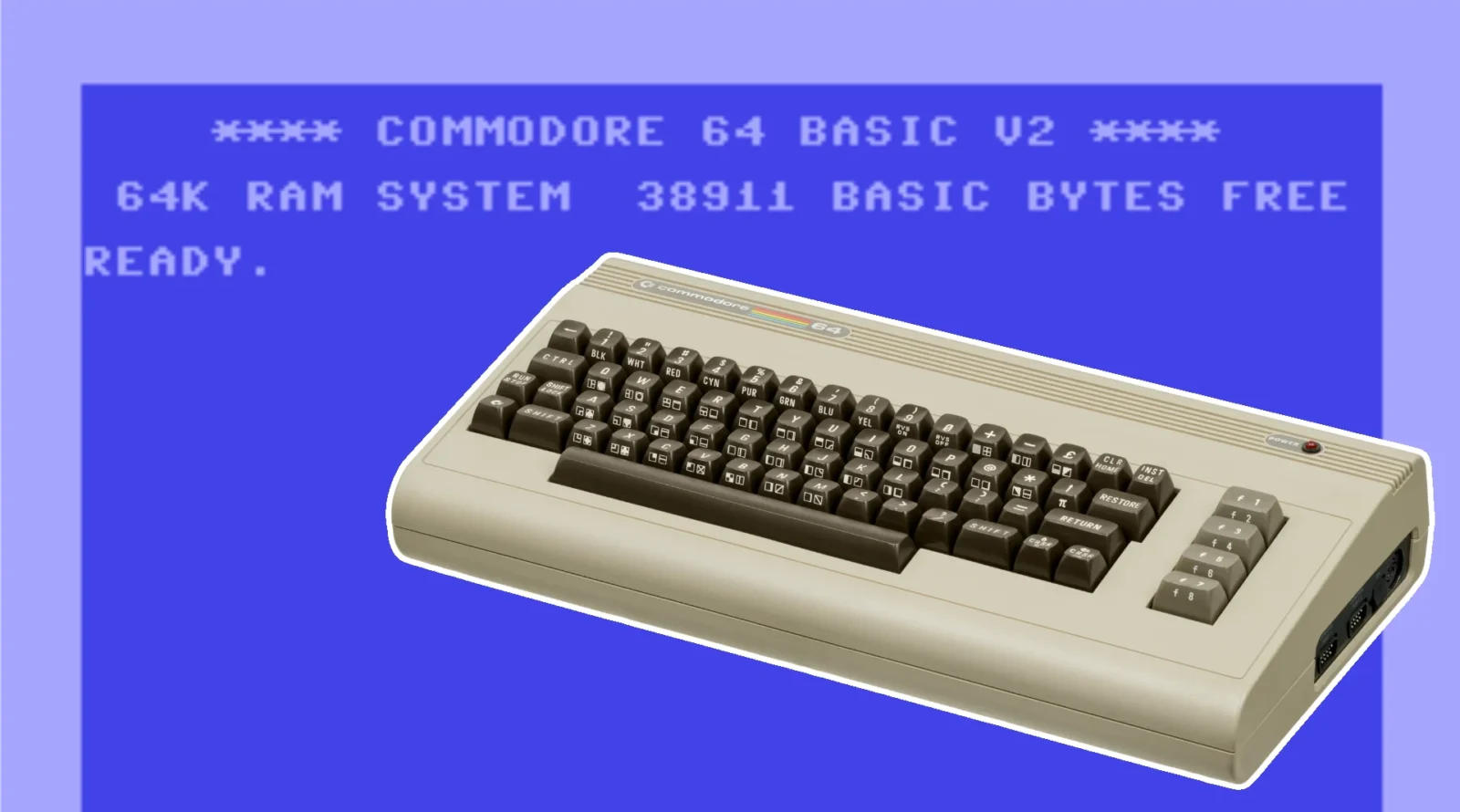
کمودور ۶۴ فقط یک کامپیوتر نبود؛ یک انقلاب بود. دستگاهی که در دهه ۱۹۸۰ میلادی، میلیونها خانه را در سراسر جهان با دنیای دیجیتال آشنا کرد و به پرفروشترین مدل کامپیوتر خانگی تاریخ تبدیل شد. وقتی در سال ۱۹۸۲ معرفی شد، هیچکس پیشبینی نمیکرد که این جعبه قهوهای رنگ با صفحهکلید حجیم، به نماد یک نسل تبدیل شود.
تولد یک اسطوره
کمودور اینترنشنال که در ابتدا با تولید ماشینحساب و ماشینتحریر شروع کرده بود، در اوایل دهه ۱۹۸۰ تصمیم گرفت وارد بازار کامپیوترهای خانگی شود. پس از موفقیت نسبی ویک-۲۰، این شرکت پروژهای جاهطلبانه را آغاز کرد که نتیجه آن، کمودور ۶۴ بود. نام این دستگاه از حافظه رم ۶۴ کیلوبایتی آن گرفته شده بود — مقداری که در آن زمان برای یک کامپیوتر خانگی فوقالعاده بود.
قیمت اولیه کمودور ۶۴ در زمان عرضه ۵۹۵ دلار بود، اما به تدریج تا ۱۹۹ دلار کاهش یافت. این قیمت رقابتی، همراه با قابلیتهای فنی چشمگیر، کمودور ۶۴ را به گزینهای غیرقابل رقابت تبدیل کرد. در حالی که رقبایی مانند اپل ۲ و آتاری ۸۰۰ قیمتهایی بالای ۱۰۰۰ دلار داشتند، کمودور ۶۴ همان قدرت را با کسری از قیمت ارائه میداد.
قلب تپنده: سختافزار کمودور ۶۴

در قلب کمودور ۶۴، پردازنده ۸ بیتی ۶۵۱۰ با فرکانس ۱ مگاهرتز قرار داشت. اما آنچه این دستگاه را واقعاً ویژه میکرد، تراشههای جانبی آن بودند. تراشه گرافیکی VIC-II امکان نمایش ۱۶ رنگ، ۸ اسپرایت متحرک و رزولوشن ۳۲۰×۲۰۰ پیکسل را فراهم میکرد. تراشه صوتی SID نیز با ۳ کانال صدای مستقل، کیفیتی بینظیر در زمان خود ارائه میداد — صدایی که هنوز هم در موسیقی الکترونیک مدرن شنیده میشود.
کمودور ۶۴ با ۶۴ کیلوبایت رم عرضه میشد که ۳۸ کیلوبایت آن برای برنامهنویسی بیسیک در دسترس بود. این مقدار حافظه، برای بازیها و برنامههای کاربردی آن زمان بسیار مناسب بود. دستگاه همچنین دارای درگاههای متعددی برای اتصال جویاستیک، دیتاست، فلاپی درایو و کارتریج بود.
انفجار بازیهای ویدئویی

بزرگترین میراث کمودور ۶۴، کتابخانه عظیم بازیهای آن بود. بیش از ۱۰,۰۰۰ عنوان بازی برای این پلتفرم ساخته شد — از بازیهای ساده آرکید گرفته تا شبیهسازهای پیچیده. عناوینی مانند «منیک ماینر»، «گوستاند گابلینز»، «دیزنی لند» و «سامر گیمز» نه تنها فروش میلیونی داشتند، بلکه خاطرات یک نسل را رقم زدند.
فرهنگ بازیسازی روی کمودور ۶۴ به حدی گسترده بود که مجلات تخصصی، مسابقات برنامهنویسی و گروههای کاربری در سراسر جهان شکل گرفتند. برنامهنویسان جوانی که با بیسیک شروع کرده بودند، به زودی به زبان اسمبلی روی آوردند و شاهکارهایی خلق کردند که از نظر فنی، فراتر از محدودیتهای سختافزاری به نظر میرسیدند.
کمودور ۶۴ در خانههای ایرانی
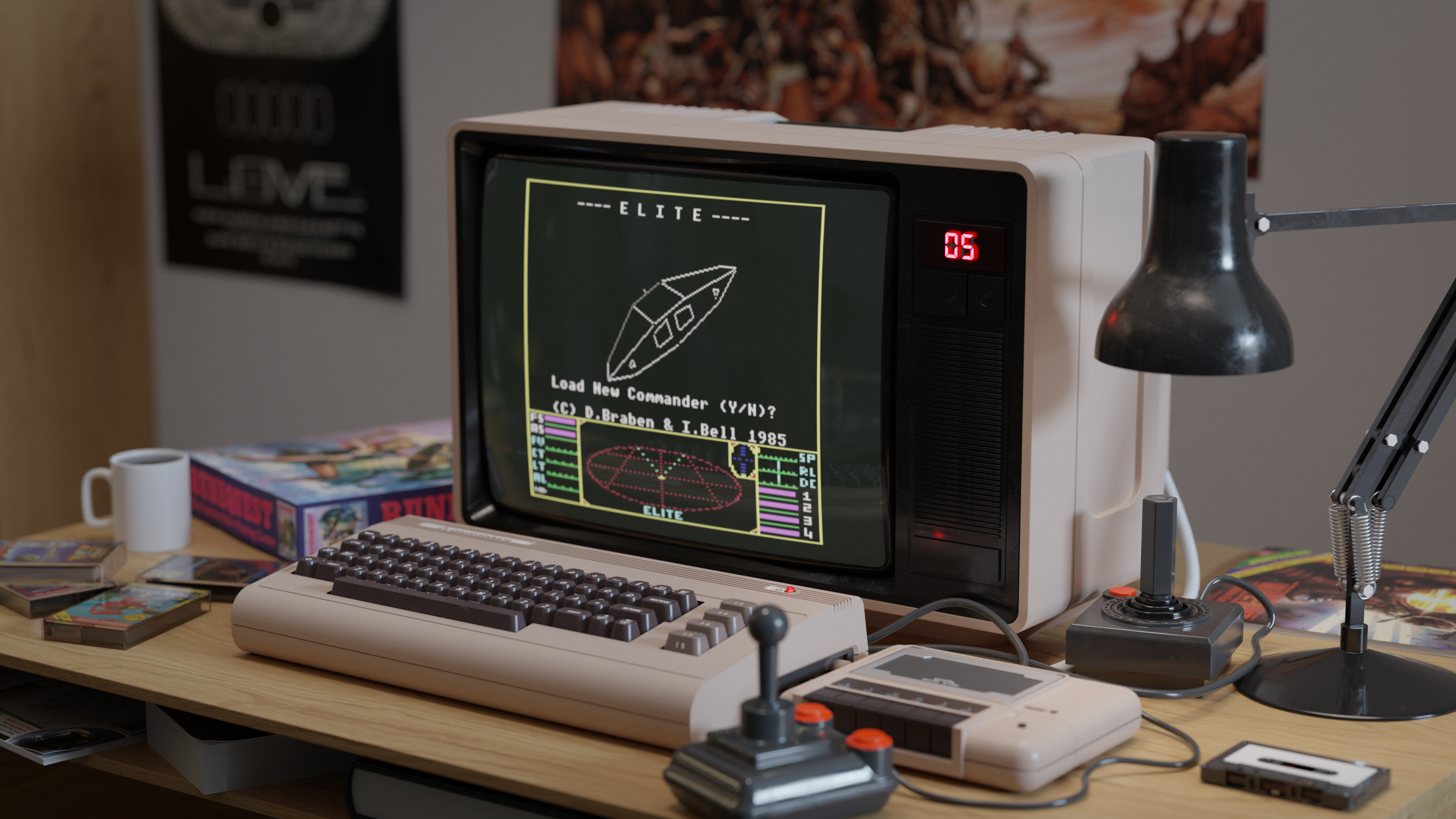
در ایران دهه ۶۰ و ۷۰ شمسی، کمودور ۶۴ جایگاه ویژهای داشت. این کامپیوتر از طریق فروشگاههای لوازم الکترونیکی وارد بازار شد و به سرعت در میان خانوادههای علاقهمند به تکنولوژی محبوب شد. خیلی از برنامهنویسان و متخصصان کامپیوتر امروز ایران، اولین خط کد خود را روی همین دستگاه نوشتند.
کتابهای آموزش برنامهنویسی به زبان فارسی، مجلات کامپیوتر و حتی کلاسهای آموزشی خصوصی، همگی حول محور کمودور ۶۴ شکل گرفتند. این دستگاه نه تنها یک ابزار سرگرمی، بلکه دروازهای به دنیای برنامهنویسی و علوم کامپیوتر برای نسل جوان آن زمان بود.
میراث ماندگار
امروزه کمودور ۶۴ همچنان زنده است. صحنه دمو و موسیقی چیپتیون، که ریشه در تراشه SID دارد، همچنان فعال است. امولاتورهای متعددی برای اجرای بازیها و برنامههای قدیمی روی کامپیوترهای مدرن ساخته شدهاند. حتی سختافزارهای جدیدی مانند «کمودور ۶۴ مینی» و «کمودور ۶۴ ماکسی» تولید شدهاند که تجربه نوستالژیک این دستگاه را برای نسل جدید بازسازی میکنند.
کمودور ۶۴ ثابت کرد که نوآوری واقعی نیازمند گرانترین سختافزار نیست. ترکیب قیمت مناسب، قابلیتهای فنی خوب و حمایت از توسعهدهندگان، فرمولی بود که این دستگاه را به پرفروشترین کامپیوتر خانگی تاریخ تبدیل کرد. میراث آن در هر گوشهای از دنیای دیجیتال امروز قابل مشاهده است — از بازیهای مستقل گرفته تا موسیقی الکترونیک و فرهنگ برنامهنویسی.
#آمیگا #آمیگا۵۰۰ #کمودور #کمودور۶۴ #تاریخچه_کمودور #کامپیوتر_خانگی #بازیهای_کمودور #رتروکامپیوتر #رایانههای_قدیمی #نوستالژی #بیسیک #برنامهنویسی #سختافزار_کمودور #تراشه_SID #گرافیک_پیکسلی #موسیقی_چیپتیون #تاریخ_کامپیوتر #فناوری_دهه_هشتاد #کامپیوترهای_ایران #خاطرات_کودکی
Commodore 64 History; The Best-Selling Home Computer of All Time
The Commodore 64 was not just a computer; it was a revolution. A device that, in the 1980s, introduced millions of homes worldwide to the digital world and became the best-selling home computer model in history. When it was introduced in 1982, no one predicted that this beige box with its bulky keyboard would become a symbol of a generation.
Birth of a Legend
Commodore International, which had started with calculators and typewriters, decided to enter the home computer market in the early 1980s. After the relative success of the VIC-20, the company launched an ambitious project that resulted in the Commodore 64. The name came from its 64 kilobytes of RAM — an extraordinary amount for a home computer at the time.
The initial price of the Commodore 64 was $595, but it gradually dropped to $199. This competitive pricing, combined with impressive technical capabilities, made the Commodore 64 an unbeatable option. While competitors like the Apple II and Atari 800 cost over $1000, the Commodore 64 offered similar power at a fraction of the price.
The Beating Heart: Commodore 64 Hardware
At the heart of the Commodore 64 was the 8-bit 6510 processor running at 1 MHz. But what made this machine truly special were its peripheral chips. The VIC-II graphics chip allowed display of 16 colors, 8 moving sprites, and 320×200 pixel resolution. The SID sound chip offered unparalleled quality with 3 independent sound channels — a sound still heard in modern electronic music.
The Commodore 64 shipped with 64 kilobytes of RAM, of which 38 kilobytes were available for BASIC programming. This amount of memory was perfect for the games and applications of that era. The machine also featured multiple ports for connecting joysticks, datasettes, floppy drives, and cartridges.
The Video Game Explosion
The greatest legacy of the Commodore 64 was its massive game library. Over 10,000 game titles were created for this platform — from simple arcade games to complex simulators. Titles like "Manic Miner," "Ghosts 'n Goblins," "Disneyland," and "Summer Games" not only achieved million-selling success but also created memories for a generation.
The game development culture on the Commodore 64 was so extensive that specialized magazines, programming competitions, and user groups formed worldwide. Young programmers who started with BASIC soon moved to assembly language and created masterpieces that seemed to transcend hardware limitations.
The Commodore 64 in Iranian Homes
In Iran during the 1980s and 1990s, the Commodore 64 held a special place. This computer entered the market through electronics stores and quickly became popular among technology-enthusiastic families. Many of today's Iranian programmers and computer specialists wrote their first line of code on this very machine.
Persian-language programming books, computer magazines, and even private training classes all formed around the Commodore 64. This device was not just entertainment but a gateway to programming and computer science for the young generation of that era.
A Lasting Legacy
Today, the Commodore 64 lives on. The demo scene and chiptune music, rooted in the SID chip, remain active. Numerous emulators have been created to run old games and programs on modern computers. New hardware like the "C64 Mini" and "C64 Maxi" have been produced to recreate the nostalgic experience for a new generation.
The Commodore 64 proved that true innovation doesn't require the most expensive hardware. The combination of affordable pricing, good technical capabilities, and developer support was the formula that made this machine the best-selling home computer in history. Its legacy is visible in every corner of today's digital world — from indie games to electronic music and programming culture.
#Amiga #Amiga500 #Commodore #Commodore64 #CommodoreHistory #HomeComputer #CommodoreGames #RetroComputing #VintageComputing #Nostalgia #BASIC #Programming #CommodoreHardware #SIDchip #PixelGraphics #Chiptune #ComputerHistory #80sTech #RetroGaming #ClassicComputing