آتاری ۲۶۰۰؛ انقلابی در بازیهای ویدئویی خانگی
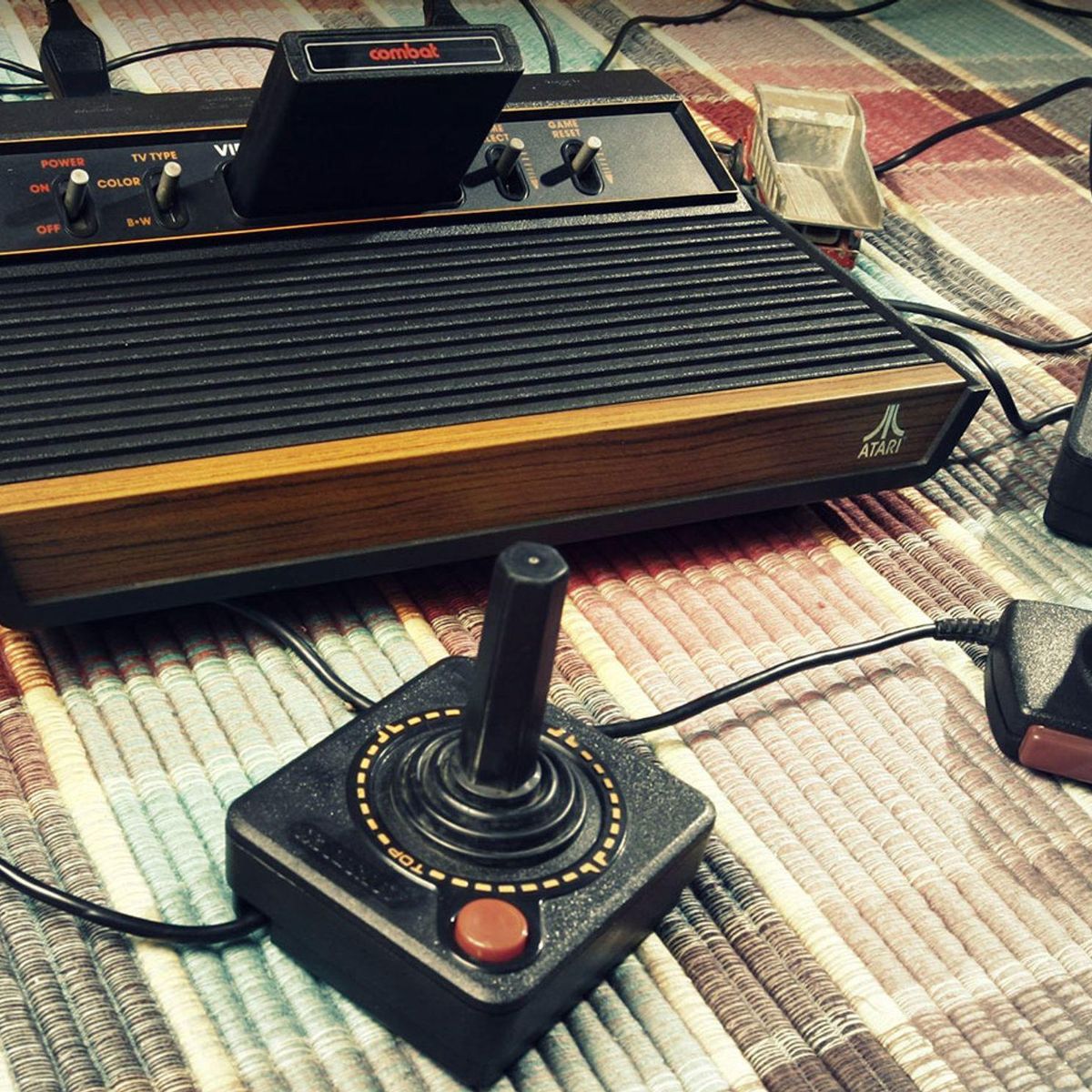
اختراع آتاری ۲۶۰۰ به برنامهنویسان بازی فضای زیادی برای خلاقیت داد. سیستم رایانه ویدئویی آتاری که برای اولین بار در سال ۱۹۷۷ منتشر شد، به زودی به آتاری ۲۶۰۰ تغییر نام داد و به محبوبترین دستگاه بازی خانگی در عصر خود تبدیل شد. این کنسول نه تنها صنعت بازیهای ویدئویی را متحول کرد، بلکه پایههای اقتصاد بازیهای خانگی را بنا نهاد.
در سال ۱۹۷۵، فروش دستگاههایی که امکان بازی پونگ خانگی را فراهم میکردند، رونق گرفته بود. شرکت آتاری که ابتدا پونگ را به عنوان یک بازی آرکید معرفی کرده بود، با پیشبینی اینکه مردم از بازیهای ساده خسته میشوند، شروع به جستجوی بازی آرکید بعدی کرد. مهندسان آتاری به جای طراحی یک تراشه سفارشی برای هر بازی، سیستمی طراحی کردند که میتوانست چندین بازی مختلف را اجرا کند.
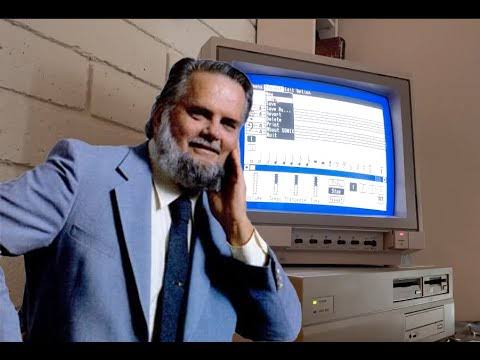
سپس چاک پدل و پردازنده ۶۵۰۲ آمدند. پدل که پس از طراحی ریزپردازنده ۶۸۰۰۰ موتورولا را ترک کرده بود، در سپتامبر ۱۹۷۵ در نمایشگاه الکترونیکی سالانه ساحل غربی حضور یافت و پیشنهاد داد ریزپردازنده جدید خود را با قیمت شگفتانگیز ۸ دلار بفروشد. این پردازنده دقیقاً با حداقل مشخصاتی که برای یک بازی ویدئویی قابل برنامهریزی لازم بود مطابقت داشت و توانست انقلابی در بازیهای ویدئویی خانگی آغاز کند.
اما جی ماینر بود که پدیدهای که ما به عنوان آتاری ۲۶۰۰ میشناسیم را خلق کرد. جی گلن ماینر، که بعدها به عنوان پدر آمیگا شناخته شد، قبل از کسب این عنوان در سال ۱۹۸۵، توانسته بود صنعت بازیهای ویدئویی را با اختراع جدید خود متحول کند. طراحی و ساخت تراشه TIA پیچیدگیهای تولید دستگاههای آرکید را به مدلی ارزانقیمت، کارآمد و جذاب تبدیل کرد.
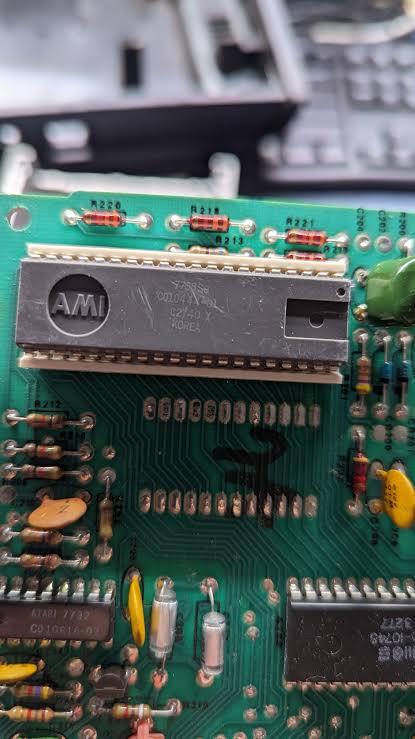
تراشه TIA یا همان تراشه رابط تلویزیون، قلب تپنده آتاری ۲۶۰۰ بود. این تراشه مسئولیت تولید گرافیک و صدا را بر عهده داشت و به برنامهنویسان اجازه میداد تا با استفاده از تکنیکهای هوشمندانه، تصاویر و افکتهای صوتی چشمگیری تولید کنند. با وجود محدودیتهای فراوان، برنامهنویسان خلاق توانستند بازیهای ماندگاری خلق کنند که هنوز هم مورد تحسین هستند.
موفقیت آتاری ۲۶۰۰ خیرهکننده بود. این کنسول با تداوم شش ساله، بیش از ۱۲ میلیون نسخه فروش و قیمتی در حدود ۱۴۰ دلار، به عنوان یکی از موفقترین کنسولهای بازی ویدئویی که تا کنون ساخته شده است، رتبهبندی میشود. این موفقیت راه را برای نسلهای بعدی کنسولهای بازی هموار کرد.
آتاری ۲۶۰۰ فقط یک کنسول بازی نبود؛ یک پدیده فرهنگی بود. این دستگاه بازیهای ویدئویی را از آرکیدها به خانهها آورد و نسلی از گیمرها و برنامهنویسان را پرورش داد. بسیاری از مفاهیمی که امروز در صنعت بازیهای ویدئویی بدیهی میدانیم، ریشه در همین کنسول ساده اما انقلابی دارند.
میراث آتاری ۲۶۰۰ تا امروز ادامه دارد. این کنسول الهامبخش توسعهدهندگان بازی، مهندسان سختافزار و علاقهمندان رتروکامپیوتر در سراسر جهان بوده است. داستان آتاری ۲۶۰۰ یادآور این نکته مهم است که نوآوری واقعی محدود به منابع سختافزاری نیست، بلکه به خلاقیت و دیدگاه سازندگان بستگی دارد.
#آمیگا #آمیگا۵۰۰ #کمودور #کمودور۶۴ #آتاری۲۶۰۰ #جی_ماینر #پدر_آمیگا #تاریخ_بازی #کنسول_کلاسیک #رتروگیمینگ #پردازنده۶۵۰۲ #تراشه_TIA #بازی_خانگی #کنسول_بازی #دهه۱۹۷۰ #انقلاب_بازی #رتروکامپیوتر #تاریخ_فناوری #کنسولهای_قدیمی #بازیهای_نوستالژیک #صنعت_بازی #برنامهنویسی_بازی #گرافیک_پیکسلی #رایانههای_قدیمی
Atari 2600: Revolution in Home Video Gaming
The invention of the Atari 2600 gave game programmers enormous room for creativity. The Atari Video Computer System, first released in 1977, was soon renamed the Atari 2600 and became the most popular home gaming device of its era. This console not only revolutionized the video game industry but also laid the foundations of the home gaming economy.
In 1975, sales of devices that enabled home Pong play were booming. Atari, which had first introduced Pong as an arcade game, anticipated that people would tire of simple games and began searching for the next arcade game to bring to consumers. Instead of designing a custom chip for each game, Atari engineers designed a system that could run multiple different games.
Then came Chuck Peddle and the 6502 processor. Peddle, who had left Motorola after designing the 68000 microprocessor, appeared at the annual West Coast Electronics Show in September 1975 and offered to sell his new microprocessor at an astonishing price of $8. This processor exactly matched the minimum specifications needed for a programmable video game and launched a revolution in home video gaming.
But it was Jay Miner who created the phenomenon we know as the Atari 2600. Jay Glenn Miner, later known as the father of the Amiga, had already revolutionized the video game industry with his new invention before earning that title in 1985. The design and construction of the TIA chip transformed the complexities of building arcade machines into an affordable, efficient, and attractive model.
The TIA chip, or Television Interface Adapter, was the beating heart of the Atari 2600. This chip was responsible for generating graphics and sound, allowing programmers to create impressive visuals and audio effects using clever techniques. Despite numerous limitations, creative programmers were able to create memorable games that are still admired today.
The success of the Atari 2600 was remarkable. With a six-year run, over 12 million units sold, and a price of around $140, it ranks as one of the most successful video game consoles ever built. This success paved the way for future generations of gaming consoles.
The Atari 2600 was not just a game console; it was a cultural phenomenon. It brought video games from arcades into homes and nurtured a generation of gamers and programmers. Many concepts that we take for granted in today's video game industry have their roots in this simple but revolutionary console.
The legacy of the Atari 2600 continues today. This console has inspired game developers, hardware engineers, and retro computing enthusiasts around the world. The story of the Atari 2600 reminds us that true innovation is not limited by hardware resources, but by the creativity and vision of its creators.
#Amiga #Amiga500 #Commodore #Commodore64 #Atari2600 #JayMiner #AmigaFather #VideoGameHistory #RetroGaming #6502 #TIAchip #HomeConsole #RetroComputing #GamingHistory #ClassicGaming #RetroConsole #GameDev #PixelGraphics #VintageComputing #TechHistory