تراشه آگنس
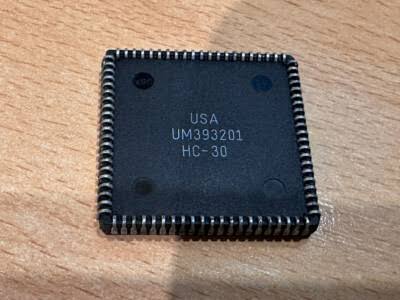
نام آگنس از «واحدهای تولیدکننده آدرس» مشتق شده است، زیرا همه رجیسترهای آدرس و اشارهگر را در خود جای داده و دسترسی به حافظه تراشههای سفارشی آمیگا را کنترل میکند. بنابراین آگنس بخش مرکزی چیپستهای اصلی و توسعه یافته آمیگا است.
روشی که آگنس انجام میدهد شبیه مجموعهای از چراغهای راهنمایی است. آگنس جریان دادهها را در امتداد ۲۵ خط مجزا (۲۵ کانال دسترسی مستقیم به حافظه) درون چیپست کنترل میکند و همچنین تعیین زمانبندی ویدیویی را به عهده دارد. در مدل «چاق»، قابلیتهای بیشتری به آن اضافه شده است.
آگنس همچنین حاوی دو همپردازنده بلیتر و کوپر است. بلیتر به کپی کردن محتویات یک بخش از حافظه تراشه در مکانی دیگر اختصاص داده شده و بسیار سریعتر از پردازنده اصلی عمل میکند. کوپر با شمارشگرهای موقعیت پرتوهای ویدئویی هماهنگ میماند و میتواند تا رسیدن به یک موقعیت خاص صبر کند و سپس مقداری را به یک رجیستر سختافزاری منتقل کند.
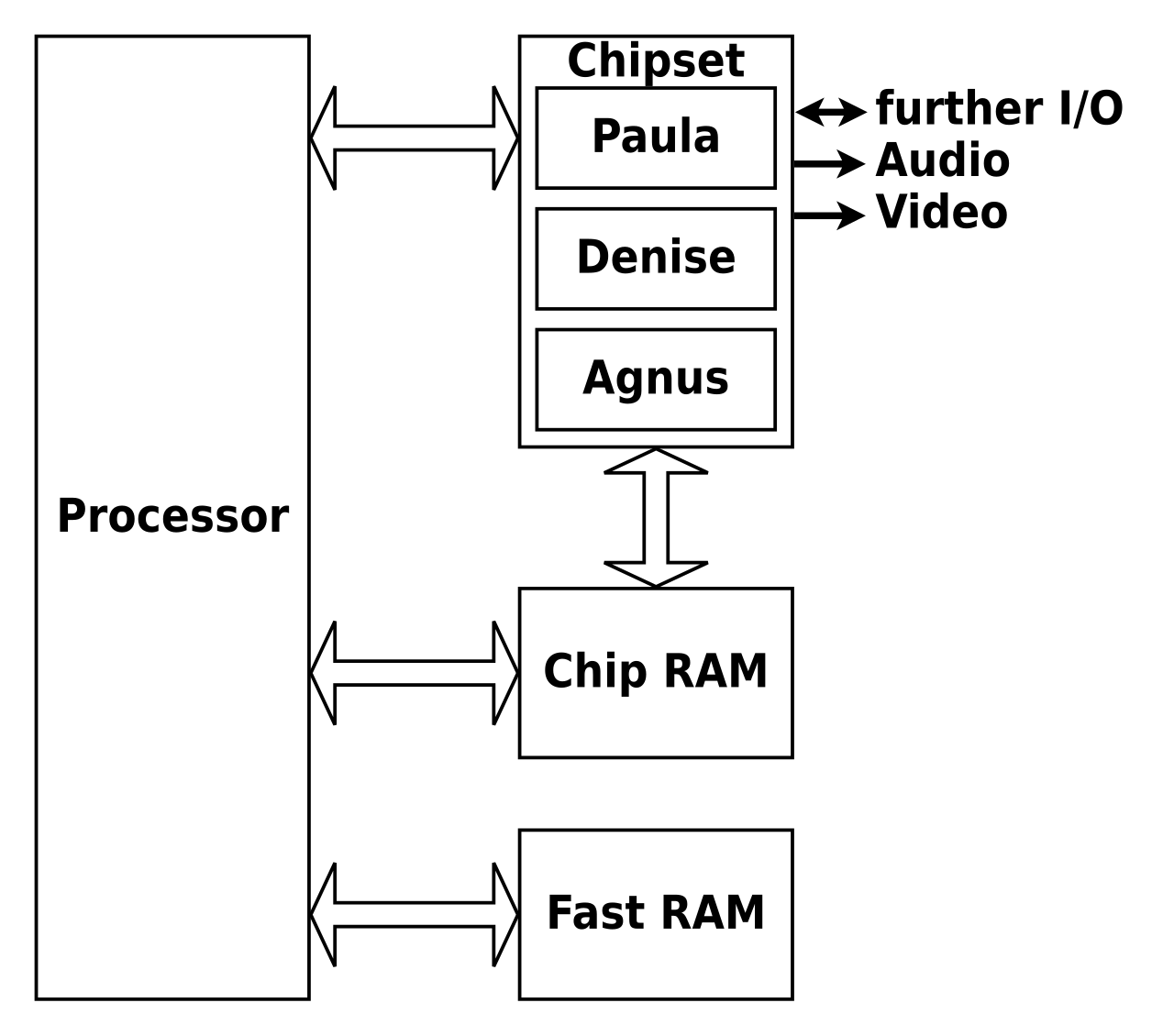
آگنس از سال ۱۹۸۴ تا زمانی که تراشه آلیس در چیپست پیشرفته جایگزین شد، تغییرات زیادی روی آن انجام شد. سلسله مراتب آگنس به طور کلی دارای دو شاخه اصلی است: آگنس «لاغر» و آگنس «چاق».
آگنس لاغر بسته اصلی ۴۸ پین است که در آمیگا ۱۰۰۰ و آمیگا ۲۰۰۰ اولیه استفاده میشد. این نسخه میتوانست ۵۱۲ کیلوبایت رم تراشه را آدرسدهی کند. آگنس چاق نسخه بستهبندی ۸۴ پین معروفتر است که در آمیگا ۵۰۰ معرفی شد و در سیستمهای بعدی استفاده شد.
در چیپست پیشرفته آمیگا، تجسم آگنس تراشه آلیس است. هر دو دارای سختافزار و وظایف مشابهی هستند و نقش حیاتی در معماری گرافیکی و صوتی آمیگا ایفا میکنند.
#آمیگا #آمیگا۵۰۰ #کمودور #کمودور۶۴ #تراشه_آگنس #چیپست_آمیگا #بلیتر #کوپر #سختافزار_آمیگا #رتروکامپیوتر #معماری_آمیگا #دسترسی_مستقیم_حافظه #گرافیک_آمیگا #رایانههای_قدیمی #تاریخ_سختافزار #مهندسی_رایانه #قطعات_آمیگا #پردازنده_همراه #رتروکامپیوتینگ #فناوری_دهه_نود
The Agnus Chip
The name Agnus is derived from "Address Generator Units" because it houses all address/pointer registers and controls memory access for the custom chips. Thus, Agnus is the central component of the original and enhanced Amiga chipsets.
The way Agnus operates is similar to a set of traffic lights. Agnus controls the flow of data along 25 separate lines (25 DMA channels) within the chipset and is also responsible for video timing. In the "Fat" model, additional capabilities have been added.
Agnus also contains two coprocessors: the Blitter and the Copper. The Blitter is dedicated to copying the contents of one section of chip memory to another location, much faster than the main processor. The Copper stays synchronized with video beam position counters and can wait until a specific position is reached before transferring a value to a hardware register.
Agnus underwent many changes from 1984 until it was replaced by the Alice chip in the advanced graphics chipset. The Agnus hierarchy generally has two main branches: "Thin" Agnus and "Fat" Agnus.
The Thin Agnus is the original 48-pin package used in the Amiga 1000 and early Amiga 2000. This version could address 512KB of chip RAM. The Fat Agnus is the more famous 84-pin version introduced in the Amiga 500 and used in subsequent systems.
In the advanced Amiga chipset, the embodiment of Agnus is the Alice chip. Both share similar hardware and duties, playing a vital role in the graphics and sound architecture of the Amiga.
#Amiga #Amiga500 #Commodore #Commodore64 #AgnusChip #AmigaChipset #Blitter #Copper #AmigaHardware #RetroComputing #AmigaArchitecture #DMA #AmigaGraphics #VintageComputing #HardwareHistory #ComputerEngineering #AmigaParts #Coprocessor #RetroComputing #90sTech