راهنمای ورکبنچ ۱.۳
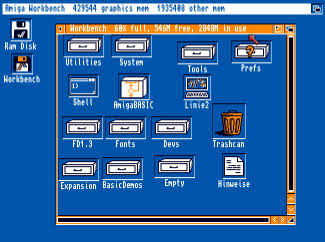
ورکبنچ ۱.۳ که در آگوست ۱۹۸۸ توسط کمودور منتشر شد، نخستین سیستمعاملی بود که به صورت پیشفرض روی آمیگا ۵۰۰ نصب میشد و نقطه عطفی در تاریخ رابطهای کاربری گرافیکی به شمار میرود. این نسخه روی دو فلاپی دیسک ۸۸۰ کیلوبایتی عرضه میشد و با وجود حجم کم، سیستمی کامل با قابلیتهای بسیار پیشرفتهتر از رقبا ارائه میداد. رنگبندی نمادین آبی تیره و نارنجی که به امضای بصری آمیگا تبدیل شد، در همین نسخه به اوج هماهنگی رسید و امروزه همچنان نوستالژی عمیقی را در ذهن کاربران قدیمی زنده میکند.
هسته اصلی ورکبنچ ۱.۳ سیستم فایل افسانهای فستفایلسیستم بود که جایگزین سیستم فایل قدیمی آمیگا داس شد و سرعت خواندن و نوشتن را تا ۳۰۰ درصد افزایش داد. این سیستم فایل از نامهای طولانی فایل پشتیبانی میکرد، قابلیت بازیابی اطلاعات پس از خرابی داشت، و از دیسکهای با ظرفیت بالاتر از ۸۸۰ کیلوبایت پشتیبانی مینمود. فناوری چندوظیفگی پیشگیرانه که در هسته اگزک جای گرفته بود، امکان اجرای همزمان چندین برنامه را بدون کاهش محسوس کارایی فراهم میکرد.
.png)
رابط کاربری گرافیکی ورکبنچ ۱.۳ شامل آیکونهای چهاررنگ، منوهای آبشاری، و پنجرههای قابل تغییر اندازه با نوارهای اسکرول پیشرفته بود. مفهوم عکس فوری برای ذخیره موقعیت و تنظیمات پنجرهها، کشیدن و رها کردن برای جابجایی فایلها بین پوشهها، و قابلیت تنظیم عمق رنگ صفحه نمایش از ۲ تا ۱۶ رنگ از میان پالت ۴۰۹۶ رنگ، همگی ویژگیهایی بودند که سالها جلوتر از زمان خود قرار داشتند.
فایل منیجر پیشفرض با نام ورکبنچ خود یک شاهکار مهندسی بود که مفاهیمی مانند میانبرهای صفحه کلید، مرتبسازی خودکار، و نمایش پیشنمایش فایلها را معرفی میکرد. ترمینال خط فرمان نیز با پشتیبانی از اسکریپتهای پیشرفته آمیگا داس، قدرت سیستمهای یونیکس را به کاربران خانگی میآورد.
ورکبنچ ۱.۳ همچنین به دلیل پایداری استثنایی خود شهرت داشت. برخلاف سیستمعاملهای رقیب که مستعد کرشهای مکرر بودند، آمیگا میتوانست ساعتها بدون نیاز به راهاندازی مجدد کار کند. برنامهنویسان از طریق کتابخانههای استاندارد اینتوئیشن برای رابط کاربری و کتابخانه گرافیکی برای عملیات گرافیکی، به ابزارهای قدرتمندی دسترسی داشتند که توسعه نرمافزار را ساده و استاندارد میکرد.
امروزه ورکبنچ ۱.۳ نه تنها به عنوان یک قطعه مهم از تاریخ فناوری، بلکه به عنوان الهامبخش طراحی رابطهای کاربری مدرن شناخته میشود. شبیهسازهای آمیگا امکان تجربه دقیق این سیستمعامل را روی مرورگرهای وب و رایانههای مدرن فراهم کردهاند. پروژههای متنبازی مانند آروس و مورفاواس مستقیماً از معماری ورکبنچ ۱.۳ الهام گرفتهاند و اصول طراحی آن را به عصر محاسبات مدرن آوردهاند.
#ورکبنچ #سیستمعامل_آمیگا #رابط_گرافیکی #چندوظیفگی #فستفایلسیستم #آمیگا_داس #رایانههای_قدیمی #رتروکامپیوتر #نوستالژی #فناوری_دهه_نود #برنامهنویسی_آمیگا #کتابخانه_گرافیکی #طراحی_رابط_کاربری #تاریخ_نرمافزار #سیستمعامل_کلاسیک #آمیگا #کمودور
Workbench 1.3 Guide
Workbench 1.3, released by Commodore in August 1988, was the first operating system installed by default on the Amiga 500 and represents a milestone in the history of graphical user interfaces. This version shipped on two 880KB floppy disks and, despite its small size, offered a complete system with capabilities far ahead of its competitors. The iconic dark blue and orange color scheme, which became the visual signature of the Amiga, reached its peak of harmony in this version and still evokes deep nostalgia in old users today.
The core of Workbench 1.3 was the legendary FastFileSystem, which replaced the older AmigaDOS file system and increased read and write speeds by up to 300 percent. This file system supported long filenames, had data recovery capabilities after crashes, and supported disks with capacities higher than 880KB. The preemptive multitasking technology embedded in the Exec kernel allowed simultaneous execution of multiple programs without noticeable performance loss.
The graphical user interface of Workbench 1.3 included four-color icons, drop-down menus, and resizable windows with advanced scrollbars. The snapshot concept for saving window positions and settings, drag-and-drop for moving files between folders, and the ability to adjust screen color depth from 2 to 16 colors from a palette of 4096 colors were all features years ahead of their time.
The default file manager called Workbench was itself a masterpiece of engineering, introducing concepts like keyboard shortcuts, automatic sorting, and file previews. The CLI terminal, with support for advanced AmigaDOS scripts, brought Unix-like power to home users.
Workbench 1.3 was also known for its exceptional stability. Unlike rival operating systems prone to frequent crashes, the Amiga could run for hours without requiring a restart. Programmers had access to powerful tools through standard libraries like Intuition for the user interface and Graphics.library for graphical operations, making software development simple and standardized.
Today, Workbench 1.3 is recognized not only as an important piece of technology history but also as an inspiration for modern user interface design. Amiga emulators allow exact experience of this operating system on web browsers and modern computers. Open-source projects like AROS and MorphOS are directly inspired by the architecture of Workbench 1.3 and have brought its design principles to the age of modern computing.
#Workbench13 #AmigaOS #GUI #RetroOS #FastFileSystem #Exec #Intuition #GraphicsLibrary #AmigaDOS #CLI #Multitasking #GraphicalInterface #ClassicOS #AmigaWorkbench #RetroInterface #ClassicComputing