تاریخچه آمیگا ۵۰۰
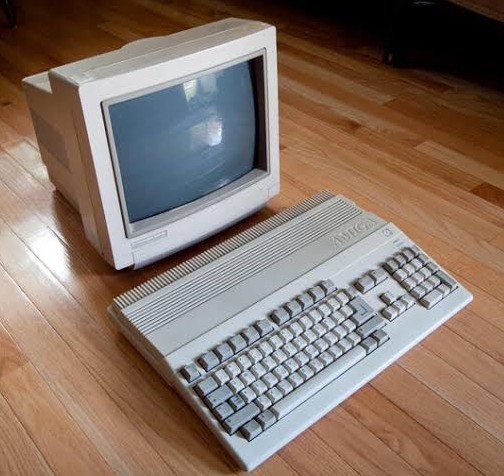
کمودور آمیگا ۵۰۰ در اکتبر ۱۹۸۷ در نمایشگاه لوازم الکترونیکی مصرفی رونمایی شد و به سرعت به یکی از تأثیرگذارترین رایانههای خانگی تاریخ تبدیل شد. این دستگاه که با قیمت ۶۹۹ دلار عرضه میشد، نسخهای مقرونبهصرفه از آمیگا ۱۰۰۰ بود و هدف آن رقابت مستقیم با آتاری استی و رایانههای مبتنی بر اماس-داس بود. طراحی کمحجم و صفحهکلید یکپارچه آن، آمیگا ۵۰۰ را به گزینهای جذاب برای خانوادهها، گیمرها و هنرمندان دیجیتال تبدیل کرد.
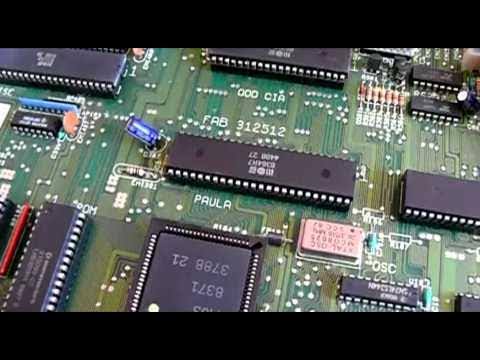
قلب تپنده آمیگا ۵۰۰ پردازنده ۳۲ بیتی موتورولا ۶۸۰۰۰ با فرکانس ۷.۱۴ مگاهرتز بود که با چیپست اختصاصی اوسیاس همراهی میشد. این چیپست شامل سه تراشه اصلی بود: اگنس برای مدیریت حافظه و دسترسی مستقیم به حافظه، دنیس برای گرافیک، و پائولا برای صدا و ورودی/خروجی. این معماری پیشرفته امکان نمایش ۴۰۹۶ رنگ در حالت اچایام، وضوح تصویر تا ۷۲۰×۵۷۶ پیکسل، و پخش همزمان ۴ کانال صدای ۸ بیتی را فراهم میکرد.
آمیگا ۵۰۰ با ۵۱۲ کیلوبایت حافظه رم عرضه شد که در آن زمان استاندارد طلایی محسوب میشد. سیستمعامل ورکبنچ ۱.۲ که بعداً به نسخه ۱.۳ ارتقا یافت، رابط کاربری گرافیکی تمامرنگی با قابلیت چندوظیفگی پیشگیرانه را ارائه میداد. این قابلیتها در حالی ارائه میشدند که سیستمعاملهای رقیب مانند اماس-داس هنوز از رابط متنی استفاده میکردند و مکینتاش اپل نیز تنها از نمایشگر سیاه و سفید پشتیبانی میکرد.
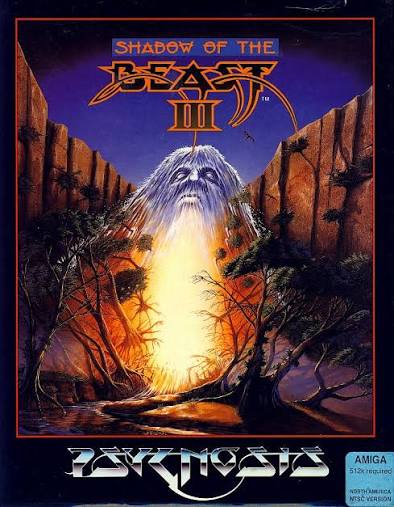
صنعت بازیسازی بیشترین بهره را از تواناییهای آمیگا ۵۰۰ برد. عناوین افسانهای مانند لمینگز، راز جزیره میمون، فوتبال حساس، اسپیدبال ۲ و سایه هیولا استانداردهای جدیدی در گرافیک، صدا و روند بازی تعیین کردند. موسیقیهای ماندگاری که با فرمت ماد و با استفاده از تراشه پائولا ساخته میشدند، فرهنگ جدیدی در موسیقی دیجیتال پایهگذاری کردند که تا امروز ادامه دارد.
فراتر از بازی، آمیگا ۵۰۰ به ابزاری انقلابی برای خلاقان تبدیل شد. برنامه دلوکس پینت استاندارد صنعت گرافیک پیکسلی را تعیین کرد، لایتویو سهبعدی انیمیشنهای پیشگامانهای برای سریال بابل ۵ تولید کرد، و ویدئو توستر تحولی در تولید ویدئوی حرفهای ایجاد کرد. استودیوهای موسیقی از اکتامد برای ساخت آهنگهای الکترونیک استفاده میکردند و بسیاری از هنرمندان مشهور دهه ۹۰ کار خود را با آمیگا آغاز کردند.
موفقیت تجاری آمیگا ۵۰۰ خیرهکننده بود. بین سالهای ۱۹۸۷ تا ۱۹۹۱، بیش از ۶ میلیون دستگاه از این مدل فروخته شد که آن را به پرفروشترین مدل تاریخ کمودور تبدیل کرد. این موفقیت باعث شکلگیری اکوسیستمی گسترده از توسعهدهندگان نرمافزار، سختافزارهای جانبی، و مجلات تخصصی شد. جامعه کاربری پرشوری شکل گرفت که از طریق گروههای کاربری محلی و سامانههای بولتن بورد به تبادل دانش و نرمافزار میپرداختند.
امروزه میراث آمیگا ۵۰۰ همچنان زنده است. پروژههای سختافزاری مدرن مانند ومپایر و پایاستورم جان تازهای به این پلتفرم دادهاند، شبیهسازهایی مانند وینیواِیای تجربه آمیگا را روی رایانههای مدرن بازسازی میکنند، و جامعهای فعال از علاقهمندان همچنان نرمافزار و بازیهای جدید برای این پلتفرم میسازند. داستان آمیگا ۵۰۰ گواهی است بر اینکه نوآوری واقعی، فارغ از محدودیتهای فنی، میتواند تأثیری ماندگار بر جهان فناوری بگذارد.
#آمیگا۵۰۰ #تاریخچه_آمیگا #کمودور #رتروکامپیوتر #موتورولا۶۸۰۰۰ #چیپست_اوسیاس #اگنس #دنیس #پائولا #ورکبنچ #رایانه_خانگی #رتروگیمینگ #سختافزار_کلاسیک #نوستالژی #رایانههای_قدیمی #تاریخ_رایانه #پردازنده_۶۸۰۰۰ #گرافیک_پیکسلی #صدای_دیجیتال #آمیگا
Amiga 500 History
The Commodore Amiga 500 was unveiled at the Consumer Electronics Show in October 1987 and quickly became one of the most influential home computers in history. Priced at $699, it was an affordable version of the Amiga 1000, designed to compete directly with the Atari ST and MS-DOS based computers. Its compact all-in-one design with integrated keyboard made the Amiga 500 an attractive choice for families, gamers, and digital artists alike.
The beating heart of the Amiga 500 was the 32-bit Motorola 68000 processor clocked at 7.14 MHz, paired with the custom OCS chipset. This chipset consisted of three main chips: Agnus for memory management and DMA, Denise for graphics, and Paula for sound and input/output. This advanced architecture enabled display of 4096 colors in HAM mode, resolutions up to 720×576 pixels, and simultaneous playback of 4 channels of 8-bit PCM sound.
The Amiga 500 shipped with 512KB of RAM, which was the gold standard at the time. The Workbench 1.2 operating system, later upgraded to version 1.3, offered a full-color graphical user interface with preemptive multitasking capabilities, while rival operating systems like MS-DOS still used text-based interfaces and Apple's Macintosh only supported black and white displays.
The gaming industry benefited most from the Amiga 500's capabilities. Legendary titles like Lemmings, The Secret of Monkey Island, Sensible Soccer, Speedball 2, and Shadow of the Beast set new standards in graphics, sound, and gameplay. Enduring music created in MOD format using the Paula chip established a new culture in digital music that continues to this day.
Beyond gaming, the Amiga 500 became a revolutionary tool for creatives. Deluxe Paint set the industry standard for pixel graphics, LightWave 3D produced groundbreaking animations for the Babylon 5 series, and the Video Toaster revolutionized professional video production. Music studios used OctaMED to create electronic tracks, and many famous artists of the 90s began their careers with the Amiga.
The commercial success of the Amiga 500 was remarkable. Between 1987 and 1991, over 6 million units were sold, making it the best-selling model in Commodore's history. This success created a vast ecosystem of software developers, hardware peripherals, and dedicated magazines. A passionate user community formed, exchanging knowledge and software through local user groups and bulletin board systems.
Today, the legacy of the Amiga 500 remains alive. Modern hardware projects like Vampire and PiStorm have breathed new life into the platform, emulators like WinUAE recreate the Amiga experience on modern computers, and an active community of enthusiasts continues to create new software and games for the platform. The story of the Amiga 500 is a testament that true innovation, regardless of technical limitations, can have a lasting impact on the world of technology.
#Amiga500 #AmigaHistory #Commodore #RetroComputing #Motorola68000 #OCS #Agnus #Denise #Paula #Workbench #HomeComputer #RetroGaming #ClassicHardware #Nostalgia #VintageComputing #ComputerHistory